

- Local time
- 12:30
- Currency
- West African CFA Franc (XOF)
- Capital
- Lomé
- Calling code
- +228
- Drive on the
- right
Overview
A narrow strip of West Africa with Lomé's markets, the voodoo shrines of Lake Togo, cooler hills around Kpalimé and the mud tower-houses of Koutammakou.
Togo is a narrow country squeezed between Ghana and Benin, stretching north from the Gulf of Guinea. A low coastal plain with lagoons and marshes gives way to a plateau in the south, hills in the centre and rolling savanna in the north. Lomé, the capital, lies next to the border with Ghana, and its markets, including the voodoo market, are the most popular stop on the road between Ghana and Benin.
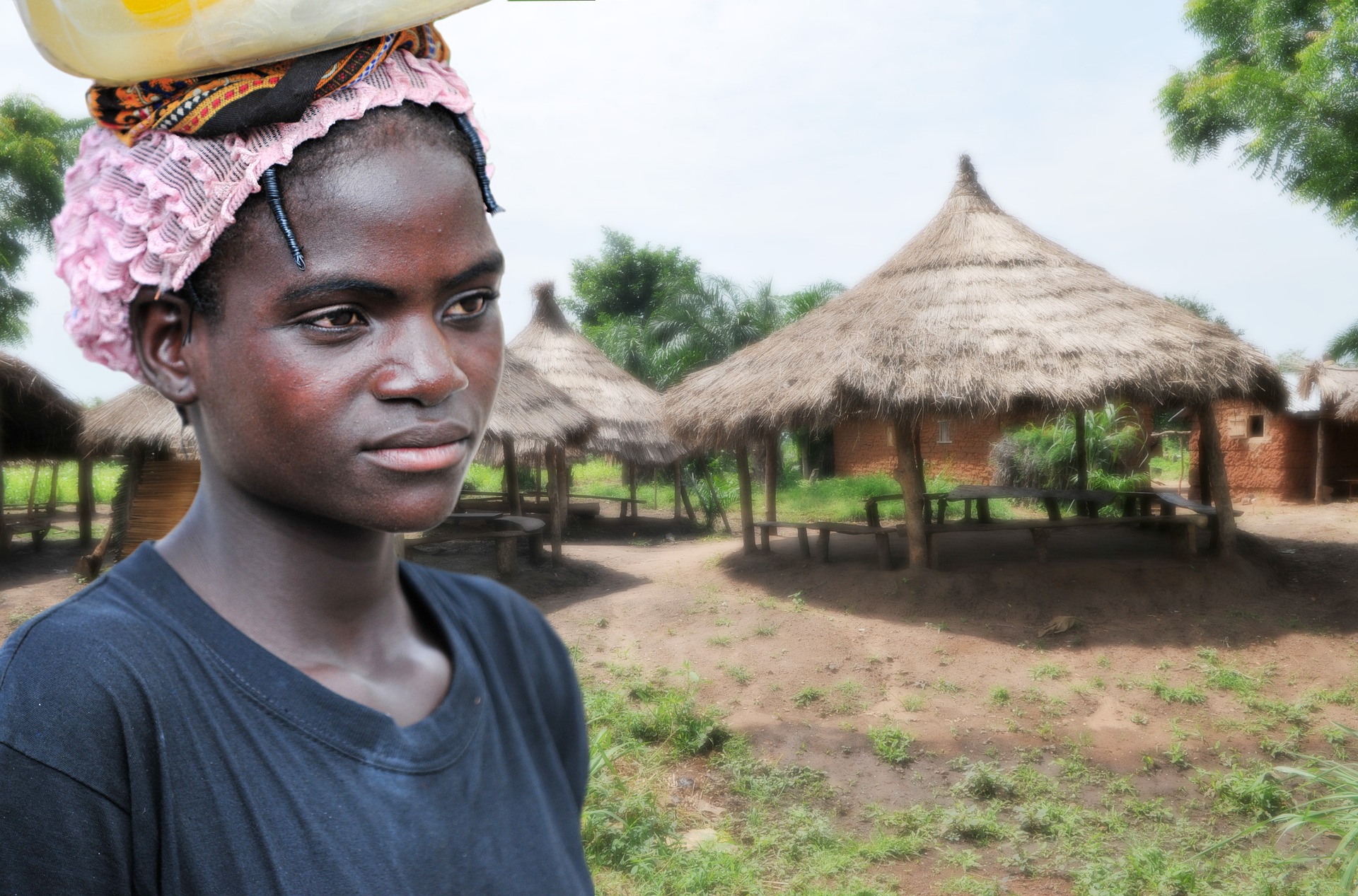
Close to the capital you can visit Togoville on Lake Togo, with its voodoo shrines, and the beaches of Aneho. Inland, the coffee-growing hills around Kpalimé are cooler and good for walking. Further north, beyond Kara, the Batammariba people of Koutammakou still live in mud and straw tower-houses, a UNESCO World Heritage Site and the best-known destination of the north.
Check the travel advice for the north: the UK and Canada advise against all travel within 30 km of the border with Burkina Faso and against non-essential travel to the rest of the Savanes region. French is the language you need; very little English is spoken outside business offices in Lomé.
- Koutammakou: UNESCO-listed land of the Batammariba and their mud tower-houses, north of Kara.
- Lomé's markets: The general and voodoo markets of the capital.
- Togoville and Lake Togo: A lakeside town with voodoo shrines and historic sights.
- Kpalimé: Coffee country with walks, cooler weather and Mount Agou, the highest peak in Togo.
- Fazao Mafakassa National Park: The largest of Togo's three national parks, in the centre-west near Ghana.
- Vogan market: A Friday market with one of the largest voodoo markets in West Africa.
Places to visit
- City
- Park
- Historic site
Cities
- Lomé: The capital and largest city, on the coast next to the Ghanaian border, known for its markets.
- Aneho: A coastal town in the south-east near Benin, once called Anecho, with beaches.
- Kpalimé: The town of the coffee-growing hills and the base for Mount Agou.
- Atakpamé: The capital of the Plateaux region.
- Badou: A town in western Togo, in the Plateaux region, near the Ghanaian border.
- Sokodé: The second largest city in Togo.
- Kara: A city in northern Togo, 413 km north of Lomé, with Koutammakou to its north.
- Dapaong: A city in the far north, in the Savanes region. The UK advises against all but essential travel to it; Canada includes the city and the area north of it in the zone near the Burkina Faso border where it advises against all travel.
Beyond the cities
- Koutammakou (site): A UNESCO World Heritage Site north of Kara, where the Batammariba live in mud tower-houses.
- Togoville (town): A town on Lake Togo with voodoo shrines, where the 1884 German protectorate treaty was signed.
- Vogan (town): Known for its Friday market, with a large voodoo section.
- Fazao Mafakassa National Park (park): The largest of the three national parks, in central Togo near the Ghanaian border.
- Kéran National Park (park): A little-visited park in the north with an elephant population and little tourist infrastructure.
Things to do
See
- Tower-houses of Koutammakou Koutammakou: The Batammariba build their takienta houses of mud and straw, often seen as a symbol of Togo. Getting there takes time.
- Voodoo shrines of Togoville Togoville: A small town on Lake Togo with shrines and historic sights.
- Elephants of Kéran Kéran National Park: A park in the north with one of the larger elephant populations in West Africa and little tourist infrastructure.
Do
- Walks in the coffee hills Kpalimé: Hikes in cooler hill country, with Mount Agou, the highest peak in Togo at about 986 m, close by.
- Safari in Fazao Mafakassa Fazao Mafakassa National Park: The largest national park in the country, rarely visited, in the centre-west.
- A weekend football match: Football is the main entertainment; league games are played at weekends.
Eat
- Fufu with sauce: Pounded white yam, eaten by hand with a sauce of smoked fish, spicy tomato or peanut, at restaurants and roadside stands.
Drink
- Bissap and local beer Lomé: Bissap juice or a Flag or Eku in one of the bars found on almost every corner of the capital.
Shop
- Lomé's voodoo market Lomé: The obvious place for charms, masks and other voodoo curios, at prices set for tourists.
- Friday market in Vogan Vogan: A weekly market with one of the largest voodoo sections in West Africa.
Itineraries
Lomé, Lake Togo and Kpalimé in 6 days (6 days)
- Lomé (2 nights): The general and voodoo markets.
- Aneho (1 night): Beaches on the ocean, with a visit to the voodoo shrines of Togoville on Lake Togo.
- Kpalimé (2 nights): Walks in the coffee hills and the area around Mount Agou.
From the coast to Koutammakou in 8 days (8 days)
- Lomé (1 night): Arrival and the markets.
- Kpalimé (2 nights): Hill walks before heading north.
- Kara (3 nights): A long road north, 413 km from Lomé; travel by day only. The base for Koutammakou.
- Lomé (1 night): Back south for your flight.
Climate and best time to visit
| Jan | Feb | Mar | Apr | May | Jun | Jul | Aug | Sep | Oct | Nov | Dec | |
|---|---|---|---|---|---|---|---|---|---|---|---|---|
| Max °C | 32 | 32 | 33 | 32 | 31 | 30 | 28 | 28 | 29 | 30 | 32 | 32 |
| Min °C | 23 | 24 | 25 | 24 | 24 | 23 | 23 | 22 | 23 | 23 | 23 | 23 |
| Rain mm | 9 | 23 | 53 | 96 | 153 | 252 | 91 | 33 | 65 | 75 | 20 | 8 |
Togo is hot all year. In Lomé the average maximum stays between 28 °C in August and 32.5 °C in March, and the average minimum never falls below 22 °C. The south has two rainy seasons: the main one peaks in June, with about 252 mm of rain, and a second, lighter one comes in September and October.
The driest months are November to February, with less than 25 mm of rain a month in Lomé, which makes them the easiest time to travel and to use unpaved roads. August is also fairly dry on the coast. Inland, the hills around Kpalimé are cooler, while the north is hotter and drier, with tropical savanna.
Holidays and events
- 1 January 2026 · New Year's Day
- 13 January 2026 · Liberation Day
- 6 April 2026 · Easter Monday
- 27 April 2026 · Independence Day
- 1 May 2026 · Labour Day
- 14 May 2026 · Ascension Day
- 25 May 2026 · Whit Monday
- 21 June 2026 · Martyrs' Day
- 15 August 2026 · Assumption Day
- 1 November 2026 · All Saints' Day
- 25 December 2026 · Christmas Day
Getting there and around
| Main airports | LFW |
|---|---|
| International driving permit | Recommended |
Getting there
By air: international flights land at Lomé (LFW). Wikivoyage mentions Ethiopian Airlines and Royal Air Maroc for connections from Europe. Another option is to fly to Accra in Ghana and take a bus to the border at Aflao, then walk across into Lomé and find transport on the Togolese side.
By land: buses and bush taxis come in from Ghana and Benin along the coastal highway, and overland buses also run from Burkina Faso. The UK and Canada advise against all travel within 30 km of the Burkina Faso border, which this route crosses. The UK warns that Togo's borders can close at short notice.
Getting around
There are no trains. Shared bush taxis, ordinary cars carrying four people in the back and two in the front, link the towns; you can pay for the whole car if you want space. In towns, motorcycle taxis (taxi-motos) are everywhere, especially in Lomé; Canada advises caution, as drivers often speed and accidents occur. Car taxis have yellow plates and a registration number painted on the side: agree the fare before you get in. Canada advises using only officially marked taxis, never sharing them with strangers, and avoiding buses, which it considers unsafe.
Roads: Wikivoyage calls traffic the biggest danger for visitors, and the UK says poor driving standards add to the risk of accidents. City roads are mostly paved, but outside the cities you may need a 4x4, and rain can block minor roads. Roads are poorly lit, so do not travel overland after dark. Expect official and unofficial roadblocks. Armed criminals may stage accidents to stop vehicles, and in Lomé they often pretend to need help to lure drivers out. Canada advises a convoy of at least two vehicles in remote areas and, after an accident, calling the police and staying at the scene. The UK says you can drive on a UK photocard licence for up to 6 months, but car hire companies may ask for an international driving permit. Canada says a Canadian licence is valid and recommends carrying the permit. The UK says drink-driving can bring a fine and a prison sentence of one to 3 years.
Flying to Togo? PartnerCompare fares and find the cheapest datesSearch flightsEat and drink
Dishes to try
- Fufu: White yams pounded into a dough, served with sauces; there are fufu restaurants and roadside stands in every city.
- Akume: A corn-flour dough eaten by hand with smoked fish, spicy tomato or peanut sauce.
- Plantains: Grilled, cooked, mashed or fried.
- Fresh fruit: Mangoes, papayas, pineapples and oranges in season, sold along the main roads.
Drinks
- Bissap: Hibiscus juice, boiled during preparation, one of the most popular drinks.
- Local beers: Bars in Lomé serve Pils, Guinness, Castel, Flag and Eku.
- Pompom: An apple-based soft drink.
Staples such as fufu and akume come with a sauce and are eaten with your hands. Bars are on almost every corner in Lomé, though many will not have everything on their list. Imported western food is available in supermarkets but costs more than in Europe.
Drink bottled water or sachets of "Pure Water". Wikivoyage advises against roadside meals and against lemonade (citron), and against eating ackee fruit, which is sold by the road but contains a toxin in its seeds and rind.
Entry requirements and visas
| Passport validity | At least 3 months beyond the date you leave Togo (UK); at least 6 months beyond the date you leave (Canada) |
|---|
| Passport | Entry | Max stay | Notes |
|---|---|---|---|
| United Kingdom | Evisa | 15 days | Single-entry tourist e-visa valid for 15 days; apply at least 6 days before you arrive. No visa on arrival. |
| Canada | Visa required | A tourist visa is required. |
Other nationalities: check the official source below.
You need a visa to visit Togo, and you must arrange it in advance. The UK says a single-entry tourist e-visa is valid for 15 days, you must apply at least 6 days before arrival and there is no visa on arrival; Canada also lists a tourist visa as required. You need a visa even to travel through Togo; for airport layovers, ask your airline.
Before you arrive and before you leave, you must also fill in an online registration certificate. You need a yellow fever vaccination certificate to enter. Officials may ask for a return or onward ticket and proof that you have enough money for your stay. Rules depend on your passport and can change: check the official link or the Togolese embassy before you book.
Money and payments
| Currency | West African CFA Franc (XOF) |
|---|---|
| Cards | Limited |
Togo runs on cash, in West African CFA francs (XOF), which are fixed to the euro and shared with other West African countries. The UK says credit cards are not widely accepted: some hotels and restaurants take them, but card machines are unreliable and you may be asked to pay cash anyway. Canada says cards are usually accepted in cities and hotels. Bring enough money for your stay, and exchange foreign currency only at banks or official exchange offices, as Canada advises.
Some ATMs in Lomé accept international cards; Wikivoyage names those of Ecobank and Banque Atlantique for Visa and Mastercard. Canada reports card and ATM fraud: use machines inside banks or in well-lit public places, cover the keypad and check your statements.
Health
| Required vaccines | Yellow fever: proof of vaccination is required for all arriving travellers aged 9 months or older |
|---|---|
| Recommended vaccines | Routine vaccines, including measles (MMR), Polio: a single adult booster if you were vaccinated as a child, Hepatitis A, Hepatitis B, Typhoid, for most travellers, Yellow fever (also recommended for protection), Meningococcal, for the meningitis belt in the dry season, roughly December to June, Rabies, for some travellers: rabid dogs are common, Mpox, for travellers at risk of sexual exposure |
| Malaria | Widespread |
You need proof of yellow fever vaccination to enter Togo, and the CDC also recommends the vaccine for protection. Malaria is present throughout the country, and the CDC recommends prescription medicine to prevent it. Dengue, chikungunya and other insect-borne diseases are also present, so use repellent and sleep under a net where needed. See a travel health professional at least 6 to 8 weeks before you go.
Medical facilities are poor and emergency care is very limited: serious cases may need evacuation, so get insurance that covers it. Treatment is costly and usually paid in cash on the spot. Pharmacies, marked with a green cross, are widely available, but Canada says medication is scarce: bring basic medicines, especially for remote areas, and your prescriptions in their original containers. Avoid swimming in fresh water because of schistosomiasis, and drink bottled water. For an ambulance, call 8200.
This is general information, not medical advice: check with a travel health professional before you go.
Safety
- United States: Level 2: Exercise Increased Caution (2026-10-20)
- Canada: Exercise a high degree of caution (2026-10-20)
- United Kingdom: Advises against all travel to parts of the country; Advises against all but essential travel to parts of the country (2026-10-20)
The north: the UK and Canada advise against all travel within 30 km of the border with Burkina Faso and against non-essential travel to the rest of the Savanes region, because of the threat of terrorism and kidnapping. The UK makes an exception for the city of Dapaong and the N1 highway leading to it, while Canada includes the city and the area north of Dapaong in the zone where it advises against all travel. Canada notes a state of emergency in the Savanes region, where foreigners need written authorisation from the Ministry of Armed Forces.
Crime: pickpocketing and theft are common in Lomé, especially on the beaches and in the markets, and violent robbery and armed carjacking also occur. Do not walk alone after dark, avoid the beach and seafront at night, keep valuables out of sight and do not resist if attacked. Take a car taxi at night. Demonstrations can turn violent, especially in Sokodé, Bafilo and Mango: leave the area if one starts.
Ocean currents are strong and there are drownings every year; dangerous beaches rarely have warning signs. Power cuts and occasional fuel shortages are common. Carry a copy of your passport's photo page, and do not photograph military, government or airport buildings.
Customs and etiquette
Greetings matter in Togo. Say hello to everyone when you arrive and when you leave, and shake hands. About half the population follows traditional beliefs, with Christian and Muslim minorities.
The law is strict on some points. Same-sex relations are illegal and penalties are severe. Drugs carry long prison sentences, and so does pornography. Photographing military, government or airport buildings, or military or government personnel, is strictly prohibited, and when in doubt you should not take the picture.
Language
| Official languages | French |
|---|---|
| English | Rare |
What to pack
- Passport, e-visa and online registration certificate: There is no visa on arrival, and the registration is required before arrival and departure.
- Yellow fever certificate: Required for all arriving travellers aged 9 months or older.
- Malaria tablets, repellent and a mosquito net: Malaria is present throughout the country.
- Enough cash: Cards are not widely accepted and card machines are unreliable.
- Basic medicines and your prescriptions: Medicines are scarce, especially outside the main cities.
- A copy of your passport's photo page: You must carry it at all times.
- Phone and charger: Canada advises carrying them at all times when you travel by road.
Quick reference
Country facts
| Capital | Lomé |
|---|---|
| Population | 8,591,626 (2025) |
| Area | 54,390 km² |
| Time zone | Africa/Lome (UTC+0) |
| Calling code | +228 |
| Driving side | right |
Staying connected
| SIM and eSIM | Wikivoyage names two mobile networks, Togo Cellulaire and Moov. Near the Ghanaian border a Ghanaian SIM card also works. |
|---|---|
| Wi-Fi | Lomé has cheap internet cafés, often slow, and paid wifi zones sold by the hour or by the month. |
Emergency numbers
| Police | 117 or 177 |
|---|---|
| Ambulance | 8200 |
| Fire | 118 |
Frequently asked questions
Do I need a visa for Togo?
Yes. UK travellers need an e-visa, applied for at least 6 days before arrival, and there is no visa on arrival; Canada also lists a visa as required. Check the official link or the Togolese embassy before you book.
Do I need a yellow fever vaccination for Togo?
Yes. Proof of yellow fever vaccination is required for all arriving travellers aged 9 months or older.
Is Togo safe to visit?
The US says to exercise increased caution and Canada a high degree of caution. The UK and Canada advise against all travel near the Burkina Faso border and against non-essential travel to the rest of the Savanes region. Crime is a problem in Lomé, especially on the beaches.
Can I pay by card in Togo?
Only in some hotels and restaurants, and machines are unreliable. Togo runs on cash in CFA francs (XOF); some ATMs in Lomé take international cards.
Do people speak English in Togo?
Very little. French is the language of the country, with Ewe in the south and Kabiyè in the north.
When is the best time to visit Togo?
November to February, the driest months on the coast. The main rains peak in June.
More Travel Stories from Africa
 Morocco
 Cabo Verde +1
 Colombia +1
Sources This guide was last checked on · 17 sources
- Wikivoyage: Togo · Overview, Places to visit, Things to do, Itineraries, Climate and best time to visit, Getting there and around, Eat and drink, Entry requirements and visas, Money and payments, Health, Safety, Customs and etiquette, Language, Staying connected, Frequently asked questions
- Wikidata: Togo · Overview, Places to visit, Money and payments, Country facts
- UK FCDO: Togo warnings and insurance (updated 15 December 2025) · Overview, Places to visit, Itineraries, Safety, Frequently asked questions
- Government of Canada: Togo travel advice (updated 13 October 2026) · Overview, Places to visit, Itineraries, Getting there and around, Entry requirements and visas, Money and payments, Health, Safety, Customs and etiquette, What to pack, Frequently asked questions
- WMO World Weather Information Service: Lome · Climate and best time to visit
- Nager.Date: public holidays in Togo, 2026 · Holidays and events
- UK FCDO: Togo safety and security · Getting there and around, Money and payments, Safety, Customs and etiquette, What to pack
- UK FCDO: Togo entry requirements · Entry requirements and visas, What to pack, Frequently asked questions
- ISO 4217 (SIX), published 2026-09-17 · Money and payments
- CDC Travelers' Health: Togo · Health, What to pack, Frequently asked questions
- UK FCDO: Togo health · Health
- US Department of State: Togo travel advisory · Safety
- UK FCDO: Togo travel advice · Safety
- World Bank, SP.POP.TOTL · Country facts
- World Bank, AG.LND.TOTL.K2 · Country facts
- IANA Time Zone Database, zone.tab · Country facts
- UK FCDO: Togo getting help · Emergency numbers
Suggest an update
Travel rules, prices and timetables change. If something in this guide is out of date, tell us: we check every suggestion against an official source before changing the page.