

- Local time
- 19:03
- Currency
- Central African CFA Franc (XAF)
- Capital
- Ciudad de la Paz
- Calling code
- +240
- Drive on the
- right
Overview
A former Spanish colony in Central Africa, split between Bioko island and the mainland. Few tourists go: it is costly and needs planning.
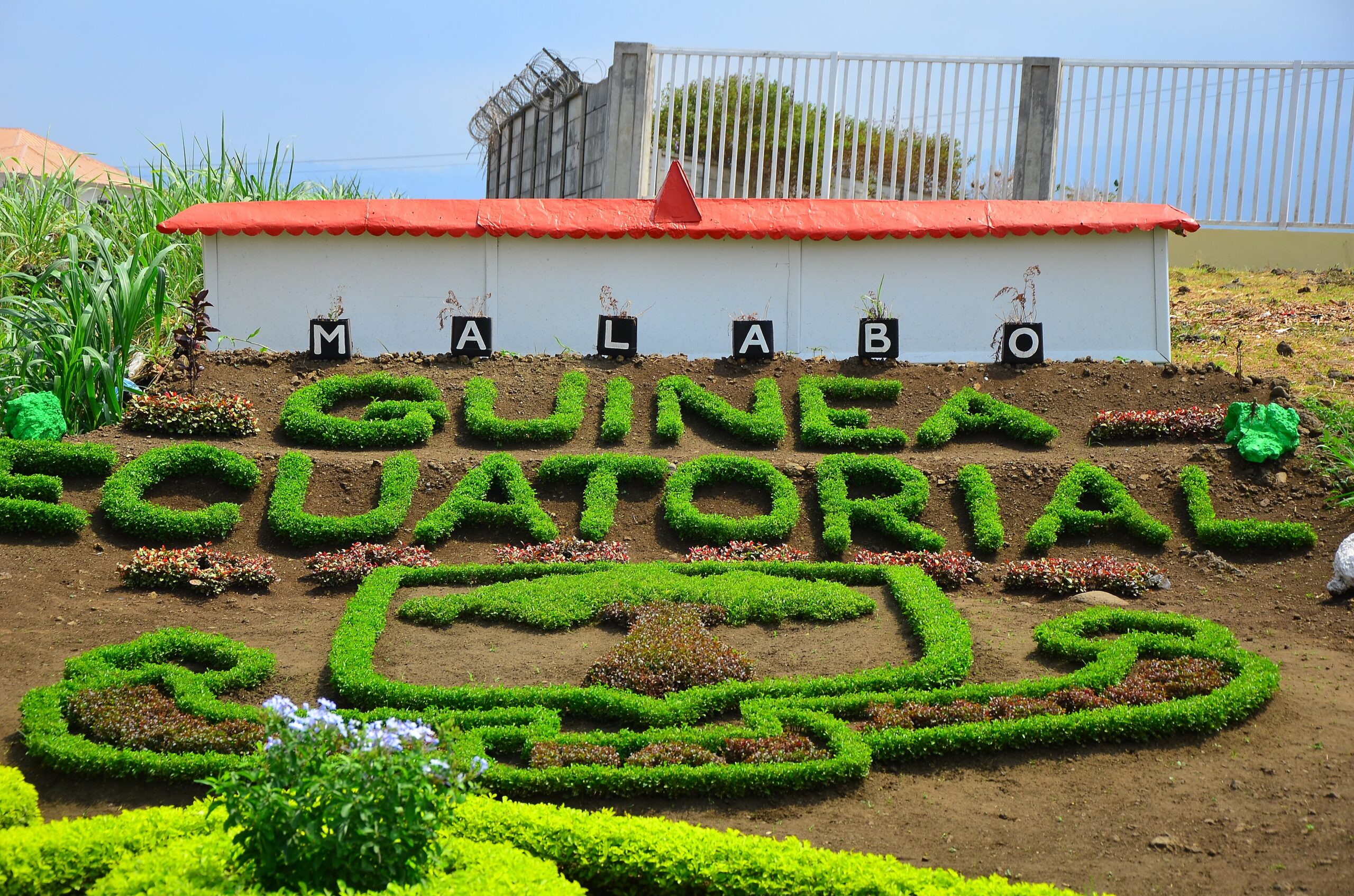
Equatorial Guinea is a small country in three parts: the mainland of Río Muni, between Cameroon and Gabon; the island of Bioko, with Malabo; and the island of Annobón, far out in the Atlantic. It was Spanish until 1968, and Spanish is still the most useful language. Oil has paid for new roads and buildings, especially on Bioko, and for Ciudad de la Paz, a new capital built in the forest of the mainland, which officially became the capital in 2026. The Fang are the largest group on the mainland, the Bubi on Bioko.
It is one of the least visited countries in the world, and tourism is not a priority for the government. Hotels and meals are very expensive, cards are rarely accepted, police checks are frequent, and you need a visa, now easier to get as an e-visa if you fly into Malabo. Canada advises a high degree of caution because of crime. The rains fall at different times on the island and on the mainland: check the season for the part you plan to visit.
- Malabo: The main city, on the island of Bioko.
- Bata: The largest city on the mainland.
- Monte Alén National Park: Forest wildlife in the centre of the mainland.
- Kogo: A town known for the ruins of its Spanish colonial buildings.
- Annobón: A small island in the Atlantic, south-west of São Tomé.
Places to visit
- City
- Island
- Park
- Mountain
Cities
- Malabo: The former capital and still the most important city, on Bioko, with the best choice of restaurants.
- Bata: The main city of the mainland, with a few flights to neighbouring countries.
- Ciudad de la Paz: The new capital, built in the forest of the mainland.
- Luba: The other town on Bioko.
- Kogo: Puerto Iradier under Spanish rule, known for its colonial ruins; informal boats leave for Cocobeach in Gabon.
- Ebibeyin: A border town in the far north-east, known for its many bars.
- Mongomo: A city on the border with Gabon.
Beyond the cities
- Monte Alén National Park (park): A park in the centre of the mainland, known for its wildlife.
- Annobón (island): A small island south-west of São Tomé, out in the Atlantic.
- Pico Basilé (mountain): A mountain on Bioko; you need a security permit to visit it.
Regions
- Río Muni: All of the mainland, with Bata.
- Bioko: The island in the Gulf of Guinea, with Malabo.
- Annobón: A small island south-west of São Tomé, in the Atlantic.
Things to do
See
- Monte Alén National Park: Look for the wildlife of the mainland forest.
- Colonial ruins of Kogo Kogo: The remains of Puerto Iradier, the Spanish colonial town.
Do
- Beaches of Malabo and Bata Malabo: Wear shoes because of litter and sand bugs, and swim with care: riptides are common and lifeguards rare.
Eat
- Restaurants of Malabo Malabo: French, Chinese, Moroccan and European cooking, and local dishes such as smoked beef with black pepper.
Drink
- Guineana beer: Try the local beer.
After dark
- Bars of Ebibeyin Ebibeyin: The border town is known for its many bars.
Holidays and events
- 1 January 2026 · New Year's Day
- 3 April 2026 · Good Friday
- 1 May 2026 · Labour Day
- 4 June 2026 · Corpus Christi
- 5 June 2026 · President's Day
- 3 August 2026 · Freedom Day
- 15 August 2026 · Constitution Day
- 12 October 2026 · Independence Day
- 8 December 2026 · Immaculate Conception
- 25 December 2026 · Christmas Day
Getting around
| Main airports | SSG, BSG |
|---|---|
| International driving permit | Required |
Public transport is very limited, and Canada says public buses are not safe. Shared bush taxis are common, but they are poorly maintained and there have been robberies of passengers: use a taxi booked through your hotel, a taxi app or a driver you know, and do not share it with strangers. The state airline Ceiba flies regional and domestic routes; check the UK Air Safety List before you choose an airline.
Driving: most main roads are paved, though some are poorly lit and rural roads can be poor. Drivers are often fast and reckless, so avoid travelling after dark. You must carry an International Driving Permit, with your passport and the car's registration. Police and military roadblocks are common, especially around Malabo and Bata: carry ID, be ready to explain your trip, and outside the two cities carry a letter stating its purpose. If asked for a bribe, ask for a ticket to pay at a local court. On Bioko, Moka, Pico Basilé and San Antonio de Ureca need a security permit.
Flying to Equatorial Guinea? PartnerCompare fares and find the cheapest datesSearch flightsWhere to stay
- Hotels: A wide choice in Malabo and on the mainland, built for foreign workers; amenities can be very limited.
Rooms are expensive: Wikivoyage lists €100-400 (euros) for a decent room, and many hotels do not provide towels, soap or shampoo, so bring your own. Only a few major hotels, including the Hilton and the Sofitel, accept cards.
Eat and drink
Dishes to try
- Smoked beef with black pepper: A local dish.
- Roast duck: Served with cheese and onion leaf.
Drinks
- Guineana: The local beer.
- Wine: Also available.
Malabo has most of the good restaurants, with French, Chinese, Moroccan and European cooking. Eating out is expensive: Wikivoyage says a simple lunch in a clean, air-conditioned restaurant costs at least €30 without drinks. Drink only bottled water, and be careful with ice, washed fruit and salads.
Entry requirements and visas
| Passport validity | At least 6 months (the UK says after the date you arrive, Canada after the date you leave) |
|---|
| Passport | Entry | Max stay | Notes |
|---|---|---|---|
| United Kingdom | Evisa | Apply online and print the e-visa letter; the visa is issued on arrival. | |
| Canada | Visa required | Visa required, with a police clearance certificate. | |
| United States | Evisa | E-visa for arrival by air at Malabo, according to Wikivoyage; check with the embassy. | |
| EU / EEA | Evisa | E-visa for arrival by air at Malabo, according to Wikivoyage; check with the embassy. | |
| Australia | Evisa | E-visa for arrival by air at Malabo, according to Wikivoyage; check with the embassy. |
Other nationalities: check the official source below.
Almost everyone needs a visa. If you fly into Malabo, apply for the e-visa online: processing takes 72 hours, Wikivoyage lists the fee as US$75, and you print the letter and get the visa from the border officials on arrival. Make sure the officer issues the visa and stamps your passport: travellers without a proper stamp have been delayed or threatened with detention. Short-term visas are valid for 90 days.
If you arrive by land or sea, you need an ordinary visa from an embassy, which Wikivoyage says costs about US$200 and needs a criminal record certificate, proof of yellow fever vaccination, a bank letter and an invitation letter, though some embassies accept a hotel booking instead. Canada asks its citizens for a police clearance certificate, and officials may ask for an onward ticket and proof of funds. You need a yellow fever certificate, and you may have to fill in a health form about recent travel to countries with Ebola. You may have to declare all the money you carry on arrival and departure. Rules depend on your passport and can change: check with the embassy of Equatorial Guinea before you book.
Money and payments
| Currency | Central African CFA Franc (XAF) |
|---|---|
| Cards | Rare |
The currency is the Central African CFA franc (XAF), fixed to the euro at EUR 1 = 655.957 francs. The economy runs on cash: cards work only with major airlines and a few big hotels, and there are few ATMs, in Malabo and Bata (Ecobank machines take Visa and Mastercard). Bring enough cash for your whole trip, in euros, pounds or US dollars, and change it only at banks.
Card and ATM fraud happens, and there have been robberies near banks and ATMs: use machines inside banks or businesses, cover the keypad and check your statements.
Costs and budget
- Decent hotel room, per night: €100-400
- Simple lunch in an air-conditioned restaurant, without drinks: from €30
- E-visa: US$75
- Ordinary visa from an embassy: about US$200
Everything is very expensive, and hotels are the biggest cost. The prices here are those listed on Wikivoyage when we read it in October 2026; local prices are in CFA francs (XAF), fixed to the euro.
Health
| Required vaccines | Yellow fever certificate: the UK says every visitor needs one; the CDC says it is required if you arrive from a country with yellow fever risk |
|---|---|
| Recommended vaccines | Routine vaccines, including measles (MMR), Yellow fever (from 9 months of age), Hepatitis A, Hepatitis B, Typhoid, Rabies, only for some travellers: ask a travel clinic |
| Malaria | Widespread |
| Tap water | Not safe |
Malaria is a risk everywhere, and the CDC recommends preventive tablets; the parasite is resistant to chloroquine, so ask a doctor which medicine to take. Dengue, Zika and schistosomiasis are also present, and rabid dogs are common. Drink only bottled water. Wear light-coloured clothes against mosquitoes, and shoes on the beach.
Medical care is poor and emergency care very limited; the UK names the La Paz hospital in Malabo as the exception, and serious cases usually need evacuation to Europe. Get insurance that covers evacuation. Pharmacies in Malabo and Bata stock basic medicines, but outside the two cities medicines are often missing: bring enough of your own, in the original containers, with a copy of the prescription. The ambulance number is 3101, but emergency numbers are unreliable.
This is general information, not medical advice: check with a travel health professional before you go.
Safety
- United States: Level 2: Exercise Increased Caution (2026-10-20)
- Canada: Exercise a high degree of caution (2026-10-20)
- United Kingdom: No advice against travel (2026-10-20)
Canada advises a high degree of caution because of crime; the UK does not advise against travel to any part of the country. Crime ranges from pickpocketing to armed robbery, and the risk is higher at night and in remote parts of towns, including around Malabo and Bata. Do not walk alone after dark, do not wear expensive jewellery or watches, and avoid travelling by road at night. Taxi passengers have been robbed and assaulted, especially at night: use pre-booked taxis or ones arranged by your hotel. Women travelling alone may face harassment.
Police and military roadblocks are common; stay calm and cooperative and carry your passport. Demonstrations need government approval and are rare: avoid any gathering. The border with Cameroon can see clashes and close without warning. People involved in commercial disputes have been stopped from leaving the country. At sea, the Gulf of Guinea has pirate attacks, and on the beaches riptides are common and there are drownings every year.
Customs and etiquette
Always carry your passport or a copy: police check ID often, and you can be detained without it. Do not photograph military or government buildings, the presidential palace, airports or harbours, and keep your camera out of sight in town; other photography or filming may need a permit. Dress conservatively and avoid public displays of affection. Same-sex relationships are legal, but society is conservative. Drug offences bring prison sentences.
People are hospitable and feel close to Spain, where many Equatoguineans have lived. Avoid political conversations and do not criticise the government in public: Wikivoyage warns that a remark heard by the wrong person can bring serious trouble.
Language
| Official languages | Spanish, French, Portuguese |
|---|---|
| English | Rare |
| Hello | Hola OH-lah |
|---|---|
| Good morning | Buenos días BWEH-nohs DEE-ahs |
| Please | Por favor POHR fah-BOHR |
| Thank you | Gracias GRAH-syahs |
| Yes / No | Sí / No SEE / NOH |
| Excuse me | Disculpe dees-KOOL-peh |
| Do you speak English? | ¿Habla usted inglés? AH-blah oos-TEHD een-GLEHS? |
| How much does it cost? | ¿Cuánto cuesta? KWAHN-toh KWEHS-tah? |
What to pack
- Passport, visa letter and copies: Police check ID often; carry the passport or a copy at all times.
- Yellow fever certificate: Asked for at entry and in visa applications.
- Police clearance certificate: Canada lists it for tourist travel, and embassy visas need a criminal record certificate.
- Cash in euros, pounds or US dollars: Cards are rarely accepted and ATMs are few.
- Malaria tablets and insect repellent: Malaria is a risk in the whole country.
- Medicines and prescriptions: Many medicines are hard to find outside Malabo and Bata.
- Towel, soap and shampoo: Many hotels do not provide them.
- International Driving Permit: You must carry it if you drive.
Quick reference
Country facts
| Capital | Ciudad de la Paz |
|---|---|
| Population | 1,938,431 (2025) |
| Area | 28,052 km² |
| Time zone | Africa/Malabo (UTC+1) |
| Calling code | +240 |
| Driving side | right |
Emergency numbers
| Police | 666 |
|---|---|
| Ambulance | 3101 |
Frequently asked questions
Do I need a visa for Equatorial Guinea?
Almost everyone does. If you fly into Malabo, the e-visa is the simplest route; overland you need a visa from an embassy. Check with the embassy before you book.
Is there malaria in Equatorial Guinea?
Yes, in the whole country. The CDC recommends preventive tablets: ask a doctor which ones.
Can I use cards in Equatorial Guinea?
Rarely: only with major airlines and a few big hotels. Bring enough cash for the whole trip.
Can I drink the tap water in Equatorial Guinea?
No. Drink only bottled water.
Is it safe to travel to Equatorial Guinea?
The US, Canada and the UK publish advice for the country, and Canada advises a high degree of caution because of crime. Read the safety section and the official links before you go.
What language is spoken in Equatorial Guinea?
Spanish is the most useful language. French and Portuguese are also official, and few people speak English.
More Travel Stories from Africa
 Kenya
Sources This guide was last checked on · 16 sources
- Wikivoyage: Equatorial Guinea · Overview, Places to visit, Things to do, Getting around, Where to stay, Eat and drink, Entry requirements and visas, Money and payments, Costs and budget, Health, Customs and etiquette, Language, What to pack, Frequently asked questions
- Wikidata: Equatorial Guinea · Overview, Places to visit, Money and payments, Country facts
- Government of Canada: Equatorial Guinea travel advice (updated 8 September 2026) · Overview, Places to visit, Things to do, Getting around, Entry requirements and visas, Money and payments, Health, Safety, Customs and etiquette, What to pack, Frequently asked questions
- Nager.Date: public holidays in Equatorial Guinea, 2026 · Holidays and events
- UK FCDO: Equatorial Guinea safety and security · Getting around, Where to stay, Money and payments, Safety, Customs and etiquette, What to pack
- UK FCDO: Equatorial Guinea entry requirements · Entry requirements and visas, What to pack, Frequently asked questions
- CDC Travelers' Health: Equatorial Guinea · Entry requirements and visas, Health, What to pack, Frequently asked questions
- ISO 4217 (SIX), published 2026-09-17 · Money and payments
- UK FCDO: Equatorial Guinea health · Health
- UK FCDO: Equatorial Guinea getting help · Health, Safety, Emergency numbers
- US Department of State: Equatorial Guinea travel advisory · Safety
- UK FCDO: Equatorial Guinea travel advice · Safety
- Wikivoyage: Spanish phrasebook · Language
- World Bank, SP.POP.TOTL · Country facts
- World Bank, AG.LND.TOTL.K2 · Country facts
- IANA Time Zone Database, zone.tab · Country facts
Suggest an update
Travel rules, prices and timetables change. If something in this guide is out of date, tell us: we check every suggestion against an official source before changing the page.