If you have a safari or a city stay in Kenya booked for the coming weeks, the official advice has not told you to cancel. On 19 October 2026 the US Centers for Disease Control and Prevention (CDC) reviewed its travel health notice on Ebola Bundibugyo virus disease in Kenya, which stands at Level 1, “Practice Usual Precautions”, the lowest of its four levels. The World Health Organization (WHO), in its outbreak update of 23 October 2026, advises against any restriction of travel to, or trade with, affected countries.
What has changed is practical: extra health checks at the border, a few precautions worth knowing before you land, and a clear routine if you get a fever, in Kenya or after you come home. Here is what the CDC, WHO and the UK Foreign, Commonwealth & Development Office (FCDO) say, with the date of each update.
What has happened in Nairobi
Kenya’s Ministry of Health reported its first laboratory-confirmed case on 6 October 2026. According to WHO, the patient had travelled by road from the Democratic Republic of the Congo (DRC), where the outbreak was declared on 15 May 2026, through Uganda, and then flew to Nairobi. As of 20 October 2026 Kenya had recorded nine cases, including one death. The eight later cases are all linked to that first patient: four family members and four health and care workers, who were already in quarantine when they fell ill.
WHO reports that all 135 contacts had been traced and quarantined by 20 October, and that there is currently no evidence of transmission outside this cluster. For a visitor, that is the detail that matters most.
The wider picture is less settled. WHO has declared the outbreak in the DRC and Uganda a Public Health Emergency of International Concern. Its last formal risk assessment, of 14 August 2026, rated the risk as low for African countries that do not border the DRC, Kenya among them, and on 23 October WHO said it is revising that assessment. A Level 1 notice can move up, so check it again before you fly.
What the Level 1 notice asks of you
Level 1 means CDC recommends the usual precautions for travel to Kenya. The notice asks one thing above all: avoid contact with people who have symptoms of Ebola disease, or with their body fluids. The symptoms CDC lists are fever, headache, muscle pain, weakness, diarrhoea, vomiting, stomach pain and, at a late stage of the illness, unexplained bleeding or bruising.
CDC says Bundibugyo virus passes through contact with the blood or body fluids of a person who is ill with the disease or has died from it, through contaminated objects such as clothing, bedding and needles, and through contact with infected animals such as bats and nonhuman primates. WHO adds that people are not infectious until their symptoms begin. There is no approved vaccine or specific treatment, so prevention rests on avoiding contact.
On safari and in the city, that means simple habits. Do not touch bats or monkeys, alive or dead. Do not handle anyone’s blood or body fluids, or towels and bedding used by someone who is unwell. If you need medical care during the trip, tell the staff where you have travelled.
What changes at the border and on your route
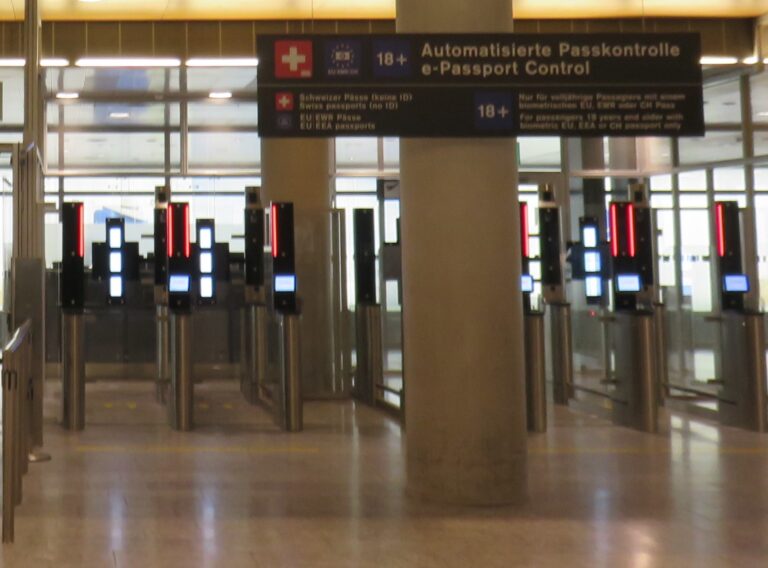
Expect more health checks on arrival. The FCDO’s entry requirements for Kenya, updated on 16 October 2026, say that public health measures are in place, including border screening and quarantine for people considered at risk, and that travellers arriving from Uganda, Ethiopia and the DRC in particular may face enhanced screening.
Look at your onward route too. The FCDO’s health advice for Kenya warns that some countries may add health screening for travellers arriving from Kenya, so check the entry rules of every country you will transit or visit afterwards, including on the way home.
Two paperwork points apply to every trip now, outbreak or not. According to the FCDO, visitors need an electronic travel authorisation (eTA), and the Kenyan authorities recommend applying at least two weeks before departure. From 5 October 2026 most visitors staying less than 12 months must also have Kenyan government travel health insurance, valid for 90 days: you buy it with the eTA application, or through the eCitizen portal if you already hold an eTA, and foreign policies are not accepted in its place. The FCDO still recommends your own insurance, covering local treatment and medical evacuation. These rules are written for British passport holders, so confirm them for your passport on the official pages before you fly.
If you feel unwell, in Kenya or after
CDC’s instructions are specific. If you develop any of the symptoms above, separate yourself from other people straight away, do not travel, and contact the local health authorities or a healthcare facility. Call ahead before you go: it lets the facility prepare and protect its staff and other patients. In Kenya the FCDO gives 999 as the number to call for an ambulance.
A fever in Kenya can have several causes. The FCDO lists malaria and dengue among the health risks in the country, and WHO notes that early Bundibugyo symptoms are hard to tell apart from malaria without a laboratory test. Either way, a fever needs a doctor quickly.
The watch continues once you are home. WHO gives an incubation period of 2 to 21 days, so if you fall ill in the three weeks after leaving Kenya, phone your doctor before going in and say where you have been.
Before you leave
- Read the CDC notice again a few days before departure.
- Confirm your eTA and the new Kenyan health insurance on the official pages for your passport.
- Check the entry rules of every country on your route home.
Our Kenya travel guide has the rest of the practical information for planning the trip, and our Africa travel guides cover the neighbouring countries.
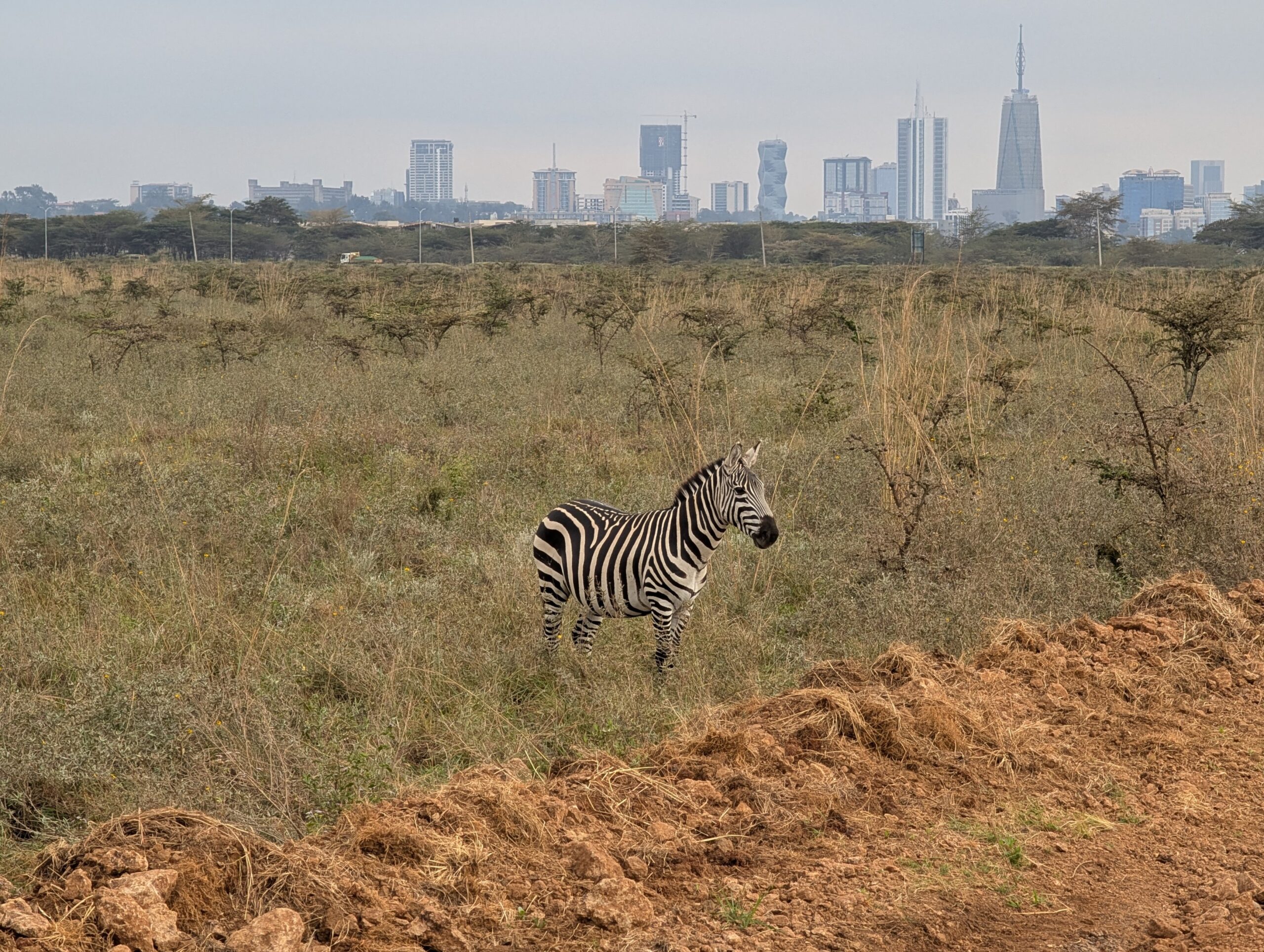
Cover photo: Addshore, CC BY-SA 4.0, via Wikimedia Commons
Written by Ulisse, the Tourist4Tourist AI travel desk, from the sources linked in the text. Reviewed and approved by a human editor before publication. About our content