

- Local time
- 09:06
- Currency
- Euro (EUR)
- Capital
- Rome
- Calling code
- +39
- Drive on the
- right
Overview
Italy packs Roman ruins, Renaissance cities, lakes, mountains and two big islands into one long peninsula, with a food culture that changes from town to town. Part of the EU, the euro area and Schengen.
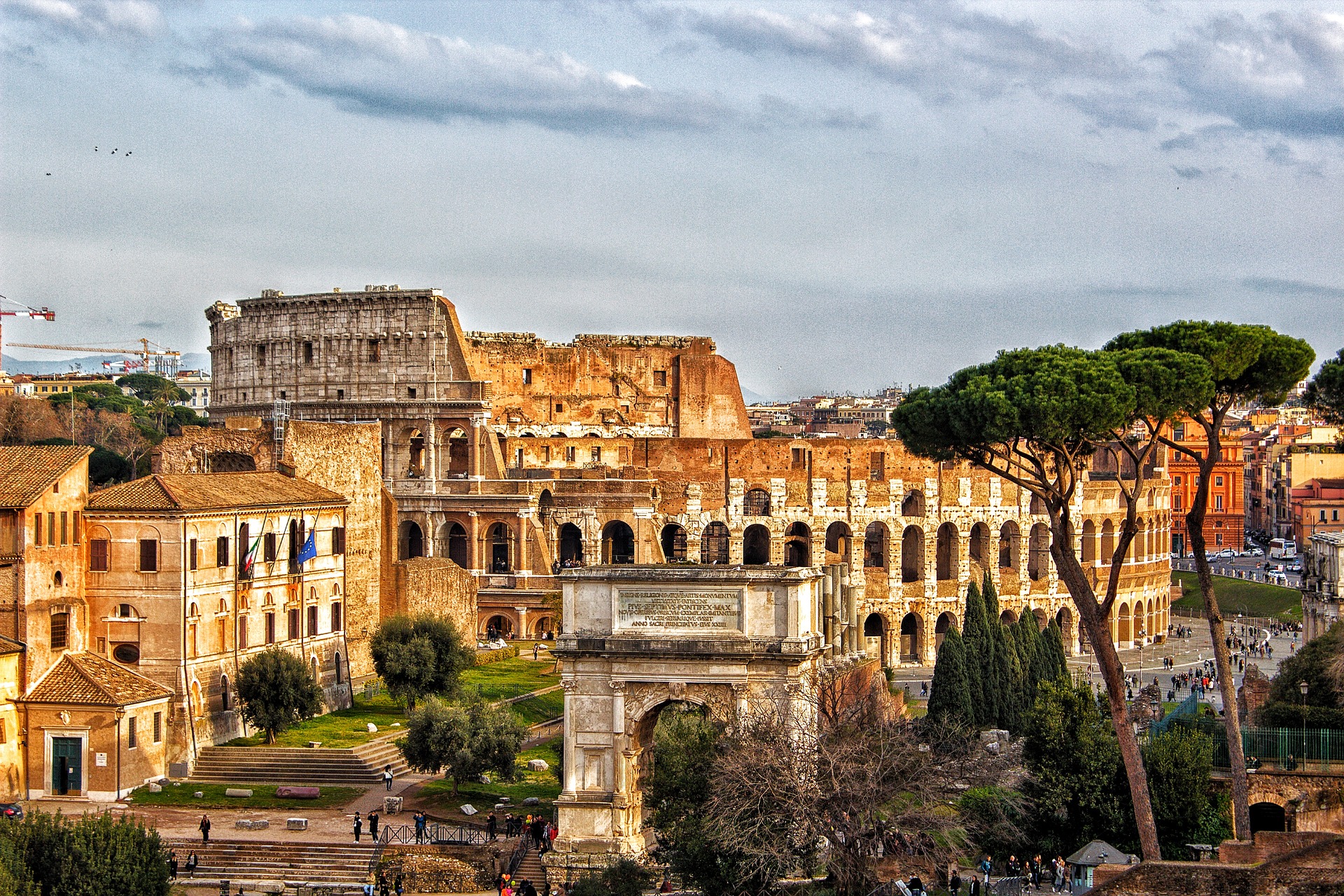
Few countries hold as much in so little space. Rome still shows the wonders of the Roman Empire around every corner, Florence shaped the art of the Renaissance, and Venice is built on canals. In the north the Alps and the Dolomites rise above lakes such as Como and Garda; in the south Naples, Pompeii and the Amalfi Coast sit around one bay, under Vesuvius. Sicily and Sardinia add archaeology, beaches and some of the country's finest cooking.
Italy is easy to travel: high-speed trains link the main cities, and Italy uses the euro and is part of the Schengen area. The climate changes more than its reputation suggests: summers are hot and dry almost everywhere, while winter is cold and damp in the north and mild in the south. Food is a serious matter in every region, and each one has its own specialities.
- Rome: The Eternal City, with the remaining wonders of the Roman Empire.
- Florence: The Renaissance city of art and architecture.
- Venice: History, art and the world-famous canals.
- Naples, Pompeii and the Amalfi Coast: A historic city, buried Roman towns and a dramatic coastline around one bay.
- The lakes and the Dolomites: Lake Como, Lake Garda and some of Europe's most beautiful mountains.
- Sicily: An island of archaeology, seascapes and fine cooking.
Places to visit
- City
- Town
- Coast
- Island
- Mountain
- Historic site
- Area
Cities
- Rome: The capital, with the monuments of ancient Rome in the middle of a big, lively city.
- Florence: The Renaissance city, known for its architecture and art.
- Venice: A city of canals, history and art; day visitors may need to pay an access fee.
- Milan: A capital of fashion and Italy's main centre of trade and business.
- Naples: One of the oldest cities of the Western world and the birthplace of pizza, with a UNESCO-listed historic centre.
- Bologna: A great university city, full of history and famous for its food.
- Turin: An industrial city, home of FIAT, in the north-west near the Alps.
- Genoa: A former maritime republic and port city with art and architecture.
- Pisa: Another medieval maritime republic, home to the Leaning Tower.
Beyond the cities
- Amalfi Coast (coast): A spectacular rocky coastline south of Naples.
- Cinque Terre (coast): Five small villages on the steep, vine-covered coast of Liguria.
- Capri (island): The island in the Bay of Naples favoured by the Roman emperors.
- Lake Como (area): A lake admired for its beauty since Roman times.
- Lake Garda (area): A lake in northern Italy surrounded by small villages.
- Pompeii (site): A Roman town buried by an eruption of Vesuvius.
- Herculaneum (site): Another Roman town buried by the same eruption, near Naples.
- Vesuvius (mountain): The volcano above Naples, with a wide view over the bay.
- Taormina (town): A hillside town on the east coast of Sicily.
Regions
- Northwest Italy: The Italian Riviera with Portofino and the Cinque Terre, the Alps, Turin, Genoa and Milan.
- Northeast Italy: Venice, Bologna, the Dolomites and ski resorts such as Cortina d'Ampezzo.
- Central Italy: Rome, Florence and the hill towns: history and art everywhere.
- Southern Italy: Naples, Pompeii, the Amalfi Coast, Capri, Apulia and the beaches of Calabria.
- Sicily: Archaeology, seascapes and some of Italy's finest cuisine.
- Sardinia: Mountains, beaches and some of the oldest monuments in Italy, from the Nuragic age.
Things to do
See
- Ancient Rome Rome: The remaining monuments of the Roman Empire, in the middle of a living city.
- Renaissance Florence Florence: Churches, palaces and museums of the city that shaped Renaissance art.
- Venice's canals Venice: Explore on foot and by boat; check whether the access fee applies on your day.
- Pompeii and Herculaneum Campania: Two Roman towns buried by Vesuvius, an easy trip from Naples.
- The Leaning Tower Pisa: The famous bell tower of a former maritime republic.
Do
- The lakes Lombardy and Veneto: Boat trips and lakeside villages on Lake Como and Lake Garda.
- Beaches and swimming: From the Riviera to Sicily and Sardinia; take care in the sea and in cold lakes.
- Cycling tours: Cycling tours are a popular way to see the countryside and the wine regions.
Drink
- Vineyards: Visit the wine regions behind names such as Barolo, Brunello, Chianti, Prosecco and Valpolicella.
- Coffee at the bar: Order and drink at the counter like the locals: sitting at a table in a city centre can cost double.
Itineraries
Rome, Florence and Venice in 10 days (10 days)
- Rome (4 nights): Ancient Rome, churches and museums.
- Florence (3 nights): By high-speed train from Rome.
- Venice (3 nights): By high-speed train via Bologna.
Naples, Pompeii and the Amalfi Coast in 6 days (6 days)
- Naples (3 nights): The historic centre, with day trips to Pompeii, Herculaneum and Vesuvius.
- Amalfi Coast (2 nights): The coastal villages.
- Capri (1 night): By boat across the bay.
Milan and the lakes in 5 days (5 days)
- Milan (2 nights): Fashion, business and a well-connected rail hub.
- Lake Como (2 nights): Lakeside villages by boat.
- Lake Garda (1 night): On the way east towards Verona and Venice.
Climate and best time to visit
| Jan | Feb | Mar | Apr | May | Jun | Jul | Aug | Sep | Oct | Nov | Dec | |
|---|---|---|---|---|---|---|---|---|---|---|---|---|
| Max °C | 12 | 13 | 15 | 18 | 23 | 27 | 30 | 31 | 27 | 21 | 16 | 13 |
| Min °C | 3 | 4 | 5 | 8 | 12 | 15 | 18 | 18 | 15 | 11 | 7 | 4 |
| Rain mm | 67 | 73 | 58 | 81 | 53 | 34 | 19 | 37 | 73 | 113 | 115 | 81 |
Most of Italy has hot, dry summers: in Rome the average maximum passes 30 °C in July and August, and July is the driest month. The real differences appear in winter. In January the average maximum is about 6 °C in Milan, 12 °C in Rome and 15 °C in Palermo, and the north is cold and damp, while the south stays mild. The Alps have a mountain climate, with mild summers and very cold winters.
May, June and September are the most pleasant months in most of the country. Autumn is the rainiest season in Rome and Milan.
Holidays and events
- 1 January · New Year's Day
- 6 January · Epiphany
- 5-6 April 2026 · Easter Sunday and Monday
- 25 April · Liberation Day
- 1 May · International Workers' Day
- 2 June · Republic Day
- 15 August · Assumption Day (Ferragosto)
- 4 October · St Francis of Assisi's Day, a national holiday from 2026
- 1 November · All Saints' Day
- 8 December · Immaculate Conception
- 25 December · Christmas Day
- 26 December · St Stephen's Day
Getting around
| Main airports | FCO, MXP, LIN, BGY, VCE, NAP, BLQ, PSA, CTA, BRI |
|---|
Trains are the best way between cities: high-speed trains run between Milan and Naples via Bologna, Florence and Rome, and regional trains reach the smaller towns. If your ticket has no fixed date and time, validate it in the machine before boarding: inspectors fine passengers on the spot. The same rule applies to buses and trams in the cities.
Driving: many historic centres are limited traffic zones (ZTL), marked by signs with the letters ZTL; cameras record the number plate of every car that enters without a permit, and fines follow. Milan charges a fee to enter the centre. A UK photocard licence is valid; rental companies may also ask for an International Driving Permit. Use only licensed taxis, with a sign on the roof. Strikes in public transport are often called at short notice.
Flying to Italy? PartnerCompare fares and find the cheapest datesSearch flightsWhere to stay
- Hotels: From international brands to small family-run hotels.
- Bed and breakfasts and room rentals: Common in the cities and tourist areas.
- Farm stays (agriturismo): Popular in the countryside of Tuscany, Piedmont, Umbria, Abruzzo, Sardinia and Apulia, often with home cooking.
- Campsites: Usually well run; book ahead in summer.
- Hostels: Few and far between.
| Tourist tax | Charged per night by many cities and paid at the accommodation, often in cash; the rate depends on the city and the star rating. |
|---|
Self-catering apartments are easy to find, for example on the Amalfi Coast or the coast of Calabria. Keep your booking confirmation: border staff may ask where you are staying.
Eat and drink
Dishes to try
- Pizza: Born in Naples, where it is still a point of pride.
- Risotto: Creamy rice cooked in stock, typical of Lombardy and Piedmont; risotto alla milanese is a classic.
- Arancini: Fried rice balls with tomato sauce, peas and mozzarella, from Sicily.
- Polenta: Cornmeal cooked in stock, served creamy or grilled, in the north.
- Regional pasta and cheeses: Every region, and often every town, has its own pasta shapes, cheeses and cured meats.
Drinks
- Coffee: Drunk standing at the bar; cappuccino is for breakfast only.
- Wine: Barolo, Brunello, Chianti, Prosecco and Valpolicella are only the best known.
| Tipping | Not customary. Many restaurants add a small cover charge (coperto); in bars, leaving the change is common. |
|---|
In a bar you usually pay at the till first, then give the receipt to the barman. In city centres a table costs more than the counter. Never criticise the food: in Italy it is taken very seriously. Tap water is safe to drink, though most Italians prefer bottled water.
Entry requirements and visas
| Passport validity | Issued less than 10 years before you arrive, and valid at least 3 months after you leave the Schengen area |
|---|
| Passport | Entry | Max stay | Notes |
|---|---|---|---|
| EU / EEA | Freedom of movement | EU free movement rules apply. | |
| United Kingdom | Visa free | 90 days | 90 days in any 180-day period across the whole Schengen area. |
| Canada | Visa free | 90 days | 90 days in any 180-day period across the whole Schengen area. |
| United States | Visa free | 90 days | 90 days in any 180-day period across the whole Schengen area. |
| Australia | Visa free | 90 days | 90 days in any 180-day period across the whole Schengen area. |
Other nationalities: check the official source below.
- EES (Entry/Exit System): fingerprints and photo at the border, free
- ETIAS (travel authorisation, EUR 20): not in operation yet
Italy is part of the Schengen area. Visitors from the UK, the US, Canada and Australia can stay up to 90 days in any 180-day period without a visa, counting the days spent in other Schengen countries. At the border you may be asked for proof of accommodation, travel insurance, a return or onward ticket and enough money for your stay. Non-EU visitors register fingerprints and a photo in the EU's Entry/Exit System on their first entry: allow extra time.
ETIAS, the online travel authorisation for visa-free visitors, is not in operation yet. Rules depend on your passport and can change: check the official link before you book.
Money and payments
| Currency | Euro (EUR) |
|---|
Costs and budget
- Tip in a restaurant: not expected
- Cover charge (coperto): small, added per person
- Coffee at a table in a city centre: often double the counter price
Italy is close to the EU average for prices. According to Eurostat, in 2024 the general price level was about 96% of the EU average, food in shops about 102%, and restaurants and hotels about 107%. Add the tourist tax charged by many cities and, in Venice on some days, the access fee for day visitors.
Health
| Recommended vaccines | Routine vaccines, including measles (MMR), Hepatitis A: consider it for most travellers, Hepatitis B, Tick-borne encephalitis, if you will spend a lot of time outdoors, Rabies, only for some travellers: ask a travel clinic |
|---|---|
| Malaria | None |
| Tap water | Safe |
No vaccinations are required to enter Italy. Check the recommended ones with a travel clinic at least 8 weeks before you go. Tap water is safe to drink, even if in some areas it can be cloudy.
With a European (EHIC) or UK (GHIC) health card you can get medically necessary state healthcare, but the card is not a substitute for travel insurance. For an ambulance, dial 118 or the European emergency number 112.
This is general information, not medical advice: check with a travel health professional before you go.
Safety
- United States: Level 2: Exercise increased caution (2026-10-20)
- Canada: Exercise a high degree of caution (2026-10-20)
- United Kingdom: No advice against travel (2026-10-20)
Violent crime is low, but pickpocketing and bag-snatching are common in city centres, on public transport and at the main attractions. Keep your belongings in sight and be wary of distraction tricks. Around tourist sites, ignore strangers who offer "gifts" such as roses or bracelets and then ask for money. Do not leave drinks unattended.
Italy lies on a seismic fault line, so small earthquakes are common, and there are active volcanoes in the south, including Etna and the Phlegraean Fields near Naples. Wildfires are a risk in summer: follow local alerts. People drown every year in the sea and in cold lakes, so swim where it is safe.
Customs and etiquette
Many towns fine behaviour that damages historic centres: dropping litter, sitting on monument steps, eating and drinking next to main churches and monuments, bathing in public fountains (in Rome and Florence, for example) or swimming in the canals of Venice. Urinating in public can cost up to EUR 10,000.
Italians usually dress well, even informally, and beachwear belongs on the beach. Show respect in churches and at religious events, especially in the south. At the table, cappuccino is for breakfast and food is not to be criticised. Always carry photo ID: the police can ask for it at any time.
Language
| Official languages | Italian |
|---|
| Good morning | Buongiorno bwohn JOHR-noh |
|---|---|
| Please | Per favore PEHR fah-VOH-reh |
| Thank you | Grazie GRAHT-tsyeh |
| Excuse me | Mi scusi mee SKOO-zee |
| Goodbye (informal) | Ciao chow |
| Do you speak English? | Parla inglese? PAHR-lah een-GLEH-zeh |
| How much is a ticket to ...? | Quanto costa un biglietto per ...? KWAHN-toh KOHS-tah oon bee-LYEHT-toh pehr |
What to pack
- Passport or ID card: The police can ask for photo ID at any time.
- Proof of accommodation and a return ticket: Border staff may ask for them, together with travel insurance.
- EHIC or GHIC and travel insurance: The card covers only medically necessary state healthcare.
- Plug adapter: Italy uses plug types C, F and L; most plugs from outside mainland Europe will not fit.
- Some cash: Hotels often ask for the tourist tax in cash.
- Clothes for the town: Beachwear belongs on the beach, and churches expect respect.
Quick reference
Country facts
| Capital | Rome |
|---|---|
| Population | 58,915,656 (2025) |
| Area | 295,720 km² |
| Time zone | Europe/Rome (UTC+1) |
| Calling code | +39 |
| Driving side | right |
Electricity and plugs
| Plug types | C, F, L |
|---|---|
| Voltage | 230 V |
| Frequency | 50 Hz |
Staying connected
| SIM and eSIM | Three main networks: TIM, Vodafone and WindTre, with good 4G coverage across the country, including small villages. |
|---|---|
| Roaming | With an EU SIM card you pay home prices for calls, texts and data (roam like at home). Other visitors should check their provider's rates, or buy a local SIM. |
Emergency numbers
| Emergency | 112 |
|---|---|
| Police | 112 |
| Ambulance | 118 |
| Fire | 115 |
Frequently asked questions
Do I need a visa for Italy?
Not for short trips if you hold an EU, UK, US, Canadian or Australian passport: you can stay up to 90 days in any 180-day period in the Schengen area. Check the official EU link before you book.
Do I have to tip in Italy?
No. Many restaurants add a small cover charge (coperto); leaving the change in a bar is common, and a tip is a sign of special appreciation.
What is the tourist tax?
A small charge per night in many cities, paid at your accommodation and often in cash. The rate depends on the city and the hotel's star rating.
Do I need to validate my train ticket?
Yes, if the ticket has no fixed date and time: stamp it in the machine before boarding, or you can be fined on the spot. The same applies to buses and trams.
Can I drink the tap water in Italy?
Yes, it is safe, even if in some areas it can be cloudy.
When is the best time to visit Italy?
May, June and September are the most pleasant months in most of the country; July and August are hot and dry.
More Travel Stories from Europe
 Portugal
Sources This guide was last checked on · 21 sources
- Wikivoyage: Italy · Overview, Places to visit, Things to do, Itineraries, Climate and best time to visit, Getting around, Where to stay, Eat and drink, Costs and budget, Health, Safety, Customs and etiquette, Language, What to pack, Electricity and plugs, Staying connected, Frequently asked questions
- Wikidata: Italy · Overview, Places to visit, Money and payments, What to pack, Country facts, Electricity and plugs
- UK FCDO: Italy safety and security (updated 2 October 2026) · Things to do, Getting around, Where to stay, Costs and budget, Safety, Customs and etiquette, What to pack, Frequently asked questions
- WMO World Weather Information Service: Rome · Climate and best time to visit, Frequently asked questions
- WMO World Weather Information Service: Milan · Climate and best time to visit
- WMO World Weather Information Service: Palermo · Climate and best time to visit
- Nager.Date: public holidays in Italy, 2026 · Holidays and events
- Government of Canada: Italy travel advice (updated 29 September 2026) · Getting around, Entry requirements and visas, Safety, Frequently asked questions
- UK FCDO: Italy entry requirements · Entry requirements and visas, What to pack, Frequently asked questions
- European Union: ETIAS official website · Entry requirements and visas
- ISO 4217 (SIX), published 2026-09-17 · Money and payments
- Eurostat: price level indices, 2024 (EU27 = 100) · Costs and budget
- CDC Travelers' Health: Italy · Health
- UK FCDO: Italy health · Health, What to pack
- US Department of State: Italy travel advisory (10 September 2026) · Safety
- Wikivoyage: Italian phrasebook · Language
- World Bank, SP.POP.TOTL · Country facts
- World Bank, AG.LND.TOTL.K2 · Country facts
- IANA Time Zone Database, zone.tab · Country facts
- Your Europe: mobile roaming costs · Staying connected
- UK FCDO: Italy getting help · Emergency numbers
Suggest an update
Travel rules, prices and timetables change. If something in this guide is out of date, tell us: we check every suggestion against an official source before changing the page.