


- Local time
- 08:10
- Currency
- British Pound (GBP)
- Capital
- London
- Calling code
- +44
- Drive on the
- left
Overview
England, Scotland, Wales and Northern Ireland in one trip: London's landmarks, Edinburgh's castle and festivals, Roman and medieval York, national parks, pubs and thousands of years of history.
The United Kingdom is a union of four home nations, England, Scotland, Wales and Northern Ireland, each with its own culture and heritage. London is a global metropolis with most of the country's best-known sights, but the other cities are just as rewarding: Edinburgh with its castle and August festivals, musical Liverpool, Manchester, Cardiff, Glasgow, Belfast and historic York.
Beyond the cities you find stone circles, castles, thatched cottages and palaces, and 15 national parks, from the Lake District and the Peak District to Snowdonia and the Scottish Highlands. The weather changes quickly and rain is common, but rarely lasts long. The UK is not in the EU or Schengen: almost every visitor now needs an Electronic Travel Authorisation (ETA) or a visa. People drive on the left and use miles, and English is spoken everywhere.
- London: The capital: Big Ben, Westminster and most of the country's main attractions.
- Edinburgh: Scotland's capital, with its castle on a hilltop and a huge arts festival in August.
- York: Roman, Viking and medieval history, and the York Minster cathedral.
- Stonehenge: A stone circle about 4,500 years old, near Salisbury.
- Lake District: England's highest mountains and largest lakes, the land of Wordsworth.
- Giant's Causeway: Thousands of basalt columns rising from the sea in Northern Ireland.
Places to visit
- City
- Coast
- Island
- Park
- Historic site
- Area
Cities
- London: The capital and largest city, home to most of the UK's main tourist attractions.
- Edinburgh: Scotland's capital and the UK's second most visited city, with a famous arts festival in August.
- York: The historic capital of Yorkshire, with Roman, Viking and medieval architecture.
- Bristol: Colourful Georgian houses, Victorian engineering and a seafaring past.
- Cardiff: The capital of Wales: Welsh museums, rugby and the redeveloped Cardiff Bay.
- Glasgow: Scotland's largest city, known for its architecture, shopping and creative scene.
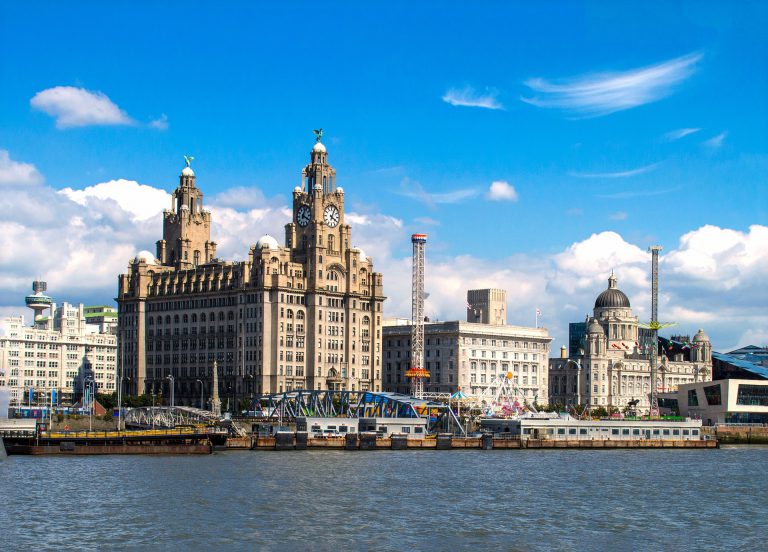
- Liverpool: A historic port city with a strong music and nightlife scene.
- Manchester: A former textile town turned modern city, with a lively music scene.
- Belfast: The capital of Northern Ireland, a city in the middle of a revival.
Beyond the cities
- Stonehenge (site): Prehistoric stones about 4,500 years old, near Salisbury.
- Hadrian's Wall (site): The Roman wall across northern England.
- Lake District National Park (park): England's highest mountains and largest lakes.
- Peak District (park): Britain's first national park, and its most visited.
- Snowdonia National Park (park): The mountains of north Wales, the place for outdoor sports.
- Gower Peninsula (coast): Near Swansea, the UK's first Area of Outstanding Natural Beauty, with cliff-top walks.
- Loch Ness (area): Scotland's most famous loch, in the Highlands.
- Isle of Arran (island): "Scotland in miniature": mountains, sea, beaches and forest.
- Giant's Causeway (site): About 40,000 basalt columns rising from the sea, Northern Ireland's only UNESCO site.
Regions
- England: The largest home nation: world cities alongside rolling countryside, village greens and old traditions.
- Scotland: The northern third of Great Britain: the Lowland cities, the wild Highlands and the islands.
- Wales: A hilly peninsula with a Celtic language, mountains, coast, industrial heritage and great castles.
- Northern Ireland: The north-east of the island of Ireland, with striking scenery and growing cities.
Things to do
See
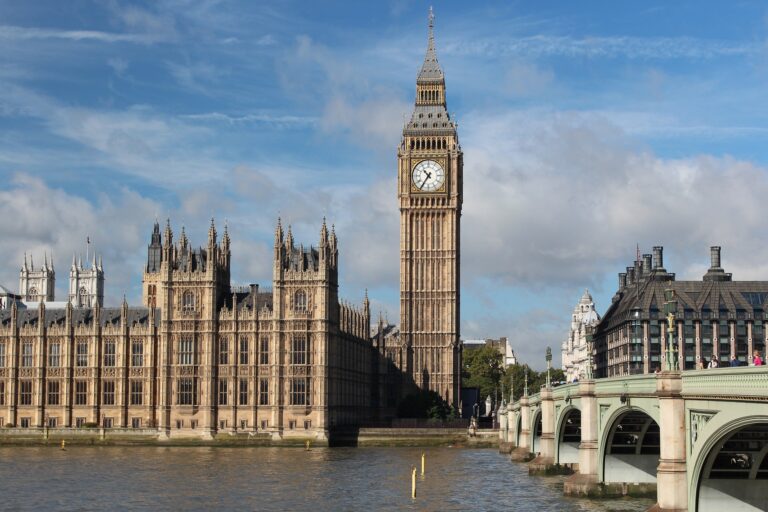
- Big Ben and Westminster London: The Elizabeth Tower, better known as Big Ben, one of the world's most recognisable buildings.
- Edinburgh Castle Edinburgh: A royal fortress on one of the city's highest points, in use for about 1,000 years.
- Stonehenge Wiltshire: The prehistoric stone circle near the cathedral city of Salisbury.
- Bath: Georgian architecture and Roman baths.
- York Minster York: The great cathedral of the historic city of York.
- Oxford and Cambridge: The two ancient university cities.
Do
- Edinburgh festivals Edinburgh: Arts festivals fill the city every August.
- National parks Lake District, Peak District, Snowdonia: Walking and outdoor sports in 15 national parks across England, Scotland and Wales.
Eat
- A Sunday roast in a pub: Pubs are the easiest place to try British food; order and pay at the bar.
Drink
- Real ale: Bitters, porters and stouts pulled from cask pumps in the local pub.
Itineraries
London, York and Edinburgh in 8 days (8 days)
- London (3 nights): Westminster, the museums and the main sights.
- York (2 nights): Roman, Viking and medieval streets and the Minster.
- Edinburgh (3 nights): The castle and the old town; in August, the festivals.
Scotland in 7 days (7 days)
- Edinburgh (3 nights): The capital and its castle.
- Glasgow (2 nights): Architecture, shopping and the arts.
- Loch Ness (2 nights): Into the Highlands; mountain weather changes fast.
Northern England's parks in 6 days (6 days)
- Manchester (2 nights): A lively music scene to start the trip.
- Peak District (2 nights): Walking in Britain's first national park.
- Lake District National Park (2 nights): Lakes and England's highest mountains.
Climate and best time to visit
| Jan | Feb | Mar | Apr | May | Jun | Jul | Aug | Sep | Oct | Nov | Dec | |
|---|---|---|---|---|---|---|---|---|---|---|---|---|
| Max °C | 8 | 9 | 12 | 15 | 18 | 21 | 23 | 23 | 20 | 16 | 11 | 8 |
| Min °C | 3 | 3 | 5 | 6 | 9 | 12 | 14 | 14 | 11 | 9 | 6 | 3 |
| Rain mm | 42 | 36 | 40 | 40 | 45 | 47 | 35 | 54 | 51 | 61 | 58 | 48 |
The UK has a mild, damp climate shaped by the sea: summers are warm rather than hot and winters mild. In London, average highs go from about 8 °C in winter to 23 °C in July and August, and rain is spread through the year. The weather changes quickly and is often windy and wet, but rain rarely lasts more than a few hours, and the east is drier than the west. Scotland and north-west England are cooler and rainier, and the mountains of northern Scotland get heavy snow in winter.
June to August are the warmest months and the best for walking and the islands; May and September are often pleasant too. Always carry a jumper and a raincoat. In the Scottish mountains, avalanches can happen from December to April, especially in the Cairngorms: check the forecast before you go.
Holidays and events
- 3 April 2026 · Good Friday
- 4 May 2026 · Early May Bank Holiday
- 25 May 2026 · Spring Bank Holiday
- 25 December 2026 · Christmas Day
- 28 December 2026 · St. Stephen's Day
Getting around
| Main airports | LHR, LGW, MAN, EDI, BHX, GLA, BRS, BFS, STN, LTN |
|---|
Trains link most cities. Plan on the National Rail website, which shows times and fares for every station, then buy from the station or a train company. You must have a ticket before boarding. Booking ahead and travelling off-peak (after 9:30 on weekdays, and at weekends) is much cheaper; seat reservations are free. Non-UK residents can buy a BritRail pass, and Great Britain is covered by the Global Interrail pass. Sleeper trains run from London to Scotland and Cornwall.
Driving: traffic drives on the left, and distances and speed limits are in miles. Most hire cars are manual: ask for an automatic when you book. Roads are good but often narrow and congested; parking in big cities, London above all, is scarce and expensive, and fuel is costly. Taxis: black cabs can be hailed in the street, while minicabs must be booked by phone or online at fixed prices; use only licensed taxis. Uber, Bolt and FreeNow work in the cities.
Flying to United Kingdom? PartnerCompare fares and find the cheapest datesSearch flightsWhere to stay
- Hotels: Rated with stars, from basic to luxury.
- Budget chains: Travelodge and Premier Inn are in most towns, roughly £30 to £150 a night depending on how early you book.
- Bed and breakfasts: Privately run B&Bs, usually with a full English breakfast.
- Holiday homes: Private houses let as self-catering holiday homes.
London and the south-east are the most expensive places to stay; elsewhere prices are lower, and good deals appear at some times of year.
Eat and drink
Dishes to try
- Sunday roast: Roast meat with Yorkshire pudding, the traditional Sunday meal.
- Full English breakfast: The fried breakfast served in most B&Bs.
- Fish and chips: The classic takeaway, found in nearly every town.
- Curry: Indian-style restaurants and takeaways are everywhere.
- British cheeses: A wide range of cheeses, part of a strong dairy tradition.
Drinks
- Tea: Usually black tea with milk, sometimes with sugar.
- Ale: Bitters, porters and stouts from cask pumps, served by the pint.
- Cider: Draught cider is also sold by the pint.
- Gin: Very popular, with deep roots in Britain.
- Irn-Bru: A soft drink much loved in Scotland.
| Tipping | Not expected. In restaurants 10 to 15% is customary for good service, but check the bill: if a service charge is already added, you do not need to tip on top. |
|---|
Pubs are the easiest place to try British food. Do not wait at the table: you order and pay for drinks and food at the bar. A main meal costs roughly £10 to £30; food from shops and markets is cheap, so picnics save money. Allergy information is usually on menus and labels.
The drinking age is 18, and you may be asked for ID, so carry your passport or a photocopy. In Scotland, supermarkets cannot sell alcohol between 10pm and 10am. Smoking is banned inside pubs and restaurants.
Entry requirements and visas
| Passport validity | Valid for the whole of your stay |
|---|
| Passport | Entry | Max stay | Notes |
|---|---|---|---|
| EU / EEA | Eta | 180 days | Visits of up to 6 months with an ETA (Irish citizens do not need one). |
| United States | Eta | 180 days | Visits of up to 6 months with an ETA. |
| Canada | Eta | 180 days | No tourist visa for up to 6 months, but an ETA is required before you travel. |
| Australia | Eta | 180 days | Visits of up to 6 months with an ETA. |
Other nationalities: check the official source below.
The UK is not in the Schengen area. Almost everyone who is not a British or Irish citizen needs an Electronic Travel Authorisation (ETA) or a visa before travelling, and the rule is strictly enforced. The ETA costs £20 (2026), is linked to the passport you apply with, and is permission to travel, not a guarantee of entry. Dual British or Irish citizens must travel on their British or Irish passport.
Border officers may ask for a return or onward ticket, an address and proof of enough money. Overstaying is treated as a breach of immigration law and can lead to a ban. Coming via Ireland, you skip UK passport control but your stay is limited to three months. Certain knives, pepper spray, and meat and dairy from most non-EU countries cannot be brought in. Rules depend on your passport: check the official link before you book.
Money and payments
| Currency | British Pound (GBP) |
|---|---|
| Cards | Widespread |
The currency is the pound sterling (£), divided into 100 pence. Visa and Mastercard are accepted in most shops and restaurants; American Express is sometimes refused, so ask. Contactless cards and phone payments work too, but carry some cash in case a card reader fails. Card and ATM fraud happens: use machines inside banks or shops and cover the keypad.
The UK is expensive: a budget traveller will spend at least £50 a day, and taxis, comfortable hotels and restaurants cost more than in most of Europe. London and the south-east are the most expensive areas.
Health
| Recommended vaccines | Routine vaccines, including measles (MMR), Hepatitis A: consider it, Hepatitis B, Tick-borne encephalitis, for long stays or time outdoors in forests and countryside |
|---|---|
| Malaria | None |
| Tap water | Safe |
Health care is excellent. The NHS treats emergencies, but visitors usually pay for other care: EU, EEA and Swiss citizens are covered with a European Health Insurance Card (EHIC), and some countries, including Australia and New Zealand, have reciprocal agreements. Everyone else needs travel insurance with medical cover. Dial 999 or 112 in an emergency.
Tap water is of high quality. In upland areas such as Snowdonia, the Lake District and the Highlands, ask locally before drinking from streams. Dogs with rabies are not commonly found in the UK.
This is general information, not medical advice: check with a travel health professional before you go.
Safety
- United States: Level 2: Exercise Increased Caution (2026-10-20)
- Canada: Exercise a high degree of caution (2026-10-20)
Canada advises a high degree of caution because of the threat of terrorism: the UK's national threat level is 4 ("severe") on a scale of 5. Stay alert in crowded places and at big events. Pickpockets and bag snatchers work in tourist areas such as Piccadilly Circus, Trafalgar Square and Leicester Square, on public transport and at airports, and phone theft is common in parts of London. In pubs and cafés, never hang your bag on the back of your chair. Use only licensed taxis, and do not leave drinks unattended.
In Northern Ireland, tensions can rise during the marching season from April to August, especially in the weeks before 12 July. Outdoors, the weather can change fast even in summer: stay on marked trails and check the forecast. Carrying certain knives and pepper spray is illegal, and drug penalties are severe. For emergencies call 999 or 112.
Customs and etiquette
"Alright?" is a greeting, not a question about your health: just answer "alright". A handshake is the norm when meeting someone. In pubs you queue and order at the bar, and groups often buy drinks in rounds and settle up later.
Each home nation has its own identity: the Scots are Scottish and the Welsh are Welsh, so calling everyone "English" is wrong and can offend. "British" is usually safe in Great Britain. Tipping is modest compared with North America.
Language
| Official languages | English |
|---|---|
| English | Widespread |
| Cookies | Biscuits |
|---|---|
| Fries | Chips |
| Potato chips | Crisps |
| Elevator | Lift |
| Line (of people) | Queue |
| Round-trip ticket | Return ticket |
| To go (food) | Take-away |
| Restroom | Toilet or loo |
What to pack
- Passport and ETA: Most visitors need an ETA, linked to the passport they travel with.
- Plug adapter: The UK uses type G plugs with three flat pins.
- Jumper and raincoat: The weather changes quickly, even in summer.
- Travel insurance: Most visitors pay for non-emergency NHS care.
- ID or a photocopy: Pubs and shops may ask for proof of age before serving alcohol.
Quick reference
Country facts
| Capital | London |
|---|---|
| Population | 69,487,000 (2025) |
| Area | 241,930 km² |
| Time zone | Europe/London (UTC+0) |
| Calling code | +44 |
| Driving side | left |
Electricity and plugs
| Plug types | G |
|---|---|
| Voltage | 230 V |
| Frequency | 50 Hz |
Staying connected
| SIM and eSIM | Coverage is patchy in hilly areas such as the Brecon Beacons and the Lake District. Avoid premium-rate numbers (084, 087, 09) and calls from hotel rooms, which can be very expensive. |
|---|---|
| Roaming | Check your provider's roaming rates before you travel; 4G reaches about 98% of people outdoors and 5G covers most of the UK. |
Useful apps
- National Rail: Train times and journey planning
- Uber, Bolt, FreeNow: Ride-hailing
Frequently asked questions
Do I need a visa or an ETA for the UK?
Most visitors who are not British or Irish need an Electronic Travel Authorisation (ETA) before travelling, even without a visa. Check the official link before you book.
Is the UK in the Schengen area?
No. The UK has its own rules: you need a UK ETA or visa.
Which side of the road do they drive on?
The left. Speed limits and distances are in miles.
Should I tip in the UK?
It is not expected. In restaurants 10 to 15% is customary for good service, unless a service charge is already on the bill.
Can I drink the tap water?
Yes, tap water is of high quality.
What plug do I need?
Type G, with three flat pins; the supply is 230 V.
More Travel Stories from United Kingdom

 United Kingdom
Sources This guide was last checked on · 11 sources
- Wikivoyage: United Kingdom · Overview, Places to visit, Things to do, Itineraries, Climate and best time to visit, Getting around, Where to stay, Eat and drink, Entry requirements and visas, Money and payments, Health, Safety, Customs and etiquette, Language, What to pack, Electricity and plugs, Staying connected, Frequently asked questions
- Wikidata: United Kingdom · Overview, Places to visit, Money and payments, Country facts, Electricity and plugs
- WMO World Weather Information Service: London · Climate and best time to visit
- Government of Canada: United Kingdom travel advice (updated 26 May 2026) · Climate and best time to visit, Getting around, Entry requirements and visas, Money and payments, Health, Safety, Customs and etiquette, What to pack, Frequently asked questions
- Nager.Date: public holidays in United Kingdom, 2026 · Holidays and events
- ISO 4217 (SIX), published 2026-09-17 · Money and payments
- CDC Travelers' Health: United Kingdom · Health, Frequently asked questions
- US Department of State: United Kingdom travel advisory · Safety
- World Bank, SP.POP.TOTL · Country facts
- World Bank, AG.LND.TOTL.K2 · Country facts
- IANA Time Zone Database, zone.tab · Country facts
Suggest an update
Travel rules, prices and timetables change. If something in this guide is out of date, tell us: we check every suggestion against an official source before changing the page.