

- Local time
- 00:48
- Currency
- Danish Krone (DKK)
- Capital
- Copenhagen
- Calling code
- +45
- Drive on the
- right
Overview
Denmark is Copenhagen's design and food scene, Viking ships and rune stones, castles, and more than 400 islands with beaches and cycling routes. Safe and easy to travel, but expensive.
Denmark is the Jutland peninsula north of Germany plus more than 400 islands, 72 of them inhabited; Copenhagen sits on the island of Zealand, facing Sweden. The country is flat, well organised and made for cycling, with dedicated bike lanes in every city. It is safe, clean and convenient, and also one of the more expensive countries in Europe.
Copenhagen offers design, architecture and a food scene known worldwide. Beyond it you find Viking heritage at Roskilde, Jelling and Ribe, Kronborg Castle at Helsingør, Hans Christian Andersen's Odense, the light and seafood of Skagen, and islands such as Bornholm, Ærø, Fanø and Læsø. Summers are mild with long, bright evenings; winters are short on daylight.
- Copenhagen: The capital: culture, Danish design and a celebrated restaurant scene.
- Roskilde: A UNESCO-listed cathedral and the Viking Ship Museum, half an hour from Copenhagen.
- Kronborg Castle: Hamlet's castle at Helsingør, a UNESCO site guarding the way to the Baltic.
- Aarhus: Second city, with the Old Town open-air museum and a strong food scene.
- Skagen: The northern tip of Denmark, where two seas meet.
- The islands: Bornholm, Ærø, Fanø, Læsø and Samsø, each with its own character.
Places to visit
- City
- Coast
- Island
- Park
- Historic site
Cities
- Copenhagen: The capital and largest city, full of culture and Danish design.
- Aarhus: Second city, a student town with the Old Town museum and good food.
- Odense: Hans Christian Andersen's birthplace, with cobbled streets and the Funen Village museum.
- Aalborg: An old port town with a historic centre and lively nightlife on Jomfru Ane Gade.
- Roskilde: A UNESCO cathedral and the Viking Ship Museum.
- Skagen: A fishing town at the northern tip, busy in summer, with excellent seafood.
- Esbjerg: A port town near the Wadden Sea, 15 minutes by ferry from Fanø.
Beyond the cities
- Jelling stones (site): 10th-century rune stones, called Denmark's birth certificate.
- Kongernes Nordsjælland National Park (park): Woods, lakes and Renaissance castles north of Copenhagen, once royal hunting grounds.
- Fanø (island): A Wadden Sea island of sand, heath and pine woods.
- Læsø (island): A remote Kattegat island of dunes and seaweed-roofed farmhouses.
- Anholt (island): A secluded island with Northern Europe's largest desert and a big seal colony.
- Samsø (island): The "green" island in the middle of the country, with a summer music festival.
- Stevns Cliff (coast): A chalk and limestone cliff more than 12 km long.
Regions
- Jutland: The peninsula north of Germany: Aarhus, Aalborg, Skagen, Esbjerg and the Wadden Sea.
- Zealand: The largest island, with Copenhagen and Roskilde.
- Funen: The island between Jutland and Zealand, with Odense.
- Sydfynske Øhav: The island sea south of Funen, with Ærø and Langeland.
- Lolland-Falster: The southern islands, with Nykøbing Falster.
- Bornholm: An island alone in the Baltic between Sweden and Poland.
Things to do
See
- Viking Ship Museum Roskilde: Well-preserved Viking ships, a day trip from Copenhagen.
- Viking ring castles: Trelleborg near Slagelse and Fyrkat near Hobro, with reconstructed longhouses.
- Kronborg Castle Helsingør: The castle of Hamlet, on the UNESCO list.
- Danish design Copenhagen: The Danish Design Museum and the Danish Architecture Centre.
Do
- Cycling: Flat country, bike lanes in every city and marked routes nationwide.
- National parks: Thy, Mols Bjerge, the Wadden Sea, Skjoldungernes Land and Kongernes Nordsjælland.
- Island hopping: Ferries to Bornholm, Ærø, Samsø, Læsø and the Wadden Sea islands.
Eat
- Smørrebrød: Open sandwiches on rye bread, the classic Danish lunch.
Drink
- Local beer: Carlsberg and hundreds of small breweries.
Itineraries
Copenhagen and Zealand in 5 days (5 days)
- Copenhagen (4 nights): With day trips to Roskilde and to Kronborg at Helsingør.
- Roskilde (1 night): The cathedral and the Viking Ship Museum.
Across Denmark by train in 7 days (7 days)
- Copenhagen (2 nights): Start in the capital.
- Odense (1 night): Hans Christian Andersen's town on Funen.
- Aarhus (2 nights): The Old Town museum and the food scene.
- Skagen (2 nights): The northern tip, via Aalborg.
Climate and best time to visit
| Jan | Feb | Mar | Apr | May | Jun | Jul | Aug | Sep | Oct | Nov | Dec | |
|---|---|---|---|---|---|---|---|---|---|---|---|---|
| Max °C | 2 | 2 | 5 | 10 | 15 | 19 | 20 | 20 | 17 | 12 | 7 | 4 |
| Min °C | -2 | -2 | -1 | 2 | 7 | 11 | 13 | 13 | 10 | 7 | 3 | -1 |
| Rain mm | 36 | 24 | 34 | 35 | 40 | 45 | 57 | 55 | 53 | 47 | 52 | 47 |
Denmark is milder than the rest of Scandinavia, with four clear seasons. In Copenhagen summer highs average about 20 °C, rarely above 30 °C, and late June has up to 18 hours of daylight. From December to February days are short and grey, with temperatures around freezing, and snow is not guaranteed.
May to September is the best time; September and October can still bring bright days. Weather changes from day to day, so plan indoor alternatives. In December town centres fill with Christmas stalls selling mulled wine and treats. Coastal flooding is a risk.
Holidays and events
- 1 January 2026 · New Year's Day
- 2 April 2026 · Maundy Thursday
- 3 April 2026 · Good Friday
- 5 April 2026 · Easter Sunday
- 6 April 2026 · Easter Monday
- 14 May 2026 · Ascension Day
- 15 May 2026 · Bank closing day (not a public holiday)
- 24 May 2026 · Pentecost
- 25 May 2026 · Whit Monday
- 5 June 2026 · Constitution Day (not an official public holiday)
- 24 December 2026 · Christmas Eve (not an official public holiday)
- 25 December 2026 · Christmas Day
- 26 December 2026 · St. Stephen's Day
- 31 December 2026 · New Year's Eve (not an official public holiday)
Getting there and around
| Main airports | CPH, BLL, AAL, AAR |
|---|---|
| International driving permit | Recommended |
Getting there
By air: Copenhagen Airport, 8 km from the centre, is Scandinavia's largest, with a train to the central station every 10 minutes. Billund is the main airport for Jutland. Many ferries link Denmark with the rest of Europe and Scandinavia.
Germany has temporary checks at its land borders. Passport checks at Copenhagen Airport for flights to and from non-Schengen countries, including the UK, can be slow since the Entry/Exit System began: allow extra time.
Getting around
Trains run by DSB are modern and comfortable but can be expensive; look for discounted Orange tickets online, and reserve seats on the fast ICL trains. Tickets must be bought before boarding. The Rejseplanen planner covers all trains, buses and ferries, and a Rejsekort card gives discounts. Ferries are the only way to most small islands and the best way to Bornholm, which also has flights. Ride-hailing apps work only as booking platforms for licensed taxi companies: Uber with Dantaxi and Drivr, Bolt with Viggo and Taxi 4x27. Private drivers in their own cars are not legal.
Driving: roads are excellent. Cyclists often have right of way, so check bike lanes before turning right. Headlights must be on at all times, and drink-driving penalties are severe. A UK photocard licence is valid; Canada advises an International Driving Permit. Bikes are banned on motorways and on the Great Belt and Øresund bridges.
Flying to Denmark? PartnerCompare fares and find the cheapest datesSearch flightsWhere to stay
- Hostels (Danhostel): The national Hostelling International network covers the whole country.
- Hotels: Expensive; breakfast is often not included. Budget chains include Zleep and Cabinn.
- Campsites: More than 500, well equipped, many renting cabins.
- Marinas for campervans: Many harbours take motorhomes as visiting boats.
Book hotels online in good time for better prices. Some visitors to Copenhagen stay in Malmö, across the bridge in Sweden, where lodging can be cheaper.
Eat and drink
Dishes to try
- Smørrebrød: Open sandwiches on rye bread with herring, fried plaice, shrimp, cold cuts or pâté.
- Rugbrød: Dense, dark sourdough rye bread.
- Æbleskiver: Puffy fried dough balls, a December treat with gløgg.
- Roast duck: The traditional dish on St Martin's Eve, in November.
Drinks
- Lager: Carlsberg, Tuborg and a wide range of microbreweries.
- Aquavit and cherry liqueur: Traditional spirits, including the Heering cherry liqueur.
| Tipping | Not traditional: service is included in restaurant and hotel bills. |
|---|
Eating out is expensive, apart from kebab and pizza places, but quality is high and restaurants display their hygiene rating. Copenhagen is known for New Nordic cuisine. Tap water is excellent, though many places charge for a jug. You must be 16 to buy beer in shops and 18 in bars; drinking in public is generally accepted where not signposted otherwise. Smoking is banned indoors in public places.
Entry requirements and visas
| Passport validity | Issued less than 10 years before you arrive, and valid at least 3 months after you leave the Schengen area |
|---|
| Passport | Entry | Max stay | Notes |
|---|---|---|---|
| EU / EEA | Freedom of movement | Free movement with a valid passport or national ID card. | |
| United Kingdom | Visa free | 90 days | 90 days in any 180-day period across the whole Schengen area. |
| Canada | Visa free | 90 days | 90 days in any 180-day period; proof of funds of 350 to 500 kroner a day may be asked. |
Other nationalities: check the official source below.
Denmark is in the Schengen area. UK and Canadian visitors can stay up to 90 days in any 180-day period without a visa, counting days in other Schengen countries. Non-EU visitors register in the EU Entry/Exit System. The FCDO reports delays at passport control at Copenhagen Airport on flights to or from non-Schengen countries, including the UK: allow extra time. Canada says Canadians will also need ETIAS, an online travel authorisation for 30 European countries; applications are not yet open, so apply only through the official EU website once it launches. Greenland and the Faroe Islands are not in the EU; the FCDO says British tourists need no visa there.
It is illegal to bring whale products from Greenland or the Faroe Islands into the UK or EU. Meat and milk products cannot be brought into the EU. Check the official link before you book.
Money and payments
| Currency | Danish Krone (DKK) |
|---|---|
| Cards | Widespread |
The currency is the Danish krone (DKK, kr). Cards are accepted almost everywhere, including contactless and mobile payments, but some supermarkets add a 3 to 4% surcharge for foreign credit cards, and shops may refuse cash between 20:00 and 06:00. Small businesses that cater mainly to locals may take only cash or MobilePay, which visitors cannot easily use, so carry a little cash. Almost everything is expensive. Visitors from outside the EU can reclaim VAT on purchases over 300 kr. If you carry €10,000 or more in cash or equivalents, you must declare it to customs when you enter or leave the EU.
Costs and budget
According to Eurostat, in 2024 the general price level in Denmark was about 131% of the EU average, food in shops about 120% and restaurants and hotels about 148%.
Health
| Recommended vaccines | Routine vaccines, including measles (MMR), Hepatitis A: consider it, Hepatitis B, for unvaccinated travellers under 60, Tick-borne encephalitis, for long stays or time outdoors in forests and countryside, Mpox, for travellers at risk of sexual exposure |
|---|---|
| Malaria | None |
| Tap water | Safe |
Healthcare is of a high standard and emergency care is free, though waits for non-urgent cases can be long. Denmark does not accept UK prescriptions: ask a pharmacy (apotek). With a European (EHIC) or UK (GHIC) health card you get medically necessary state care. Tap water is excellent. Dial 112.
This is general information, not medical advice: check with a travel health professional before you go.
Safety
- United States: Level 2: Exercise Increased Caution (2026-10-20)
- Canada: Exercise a high degree of caution (2026-10-20)
- United Kingdom: No advice against travel (2026-10-20)
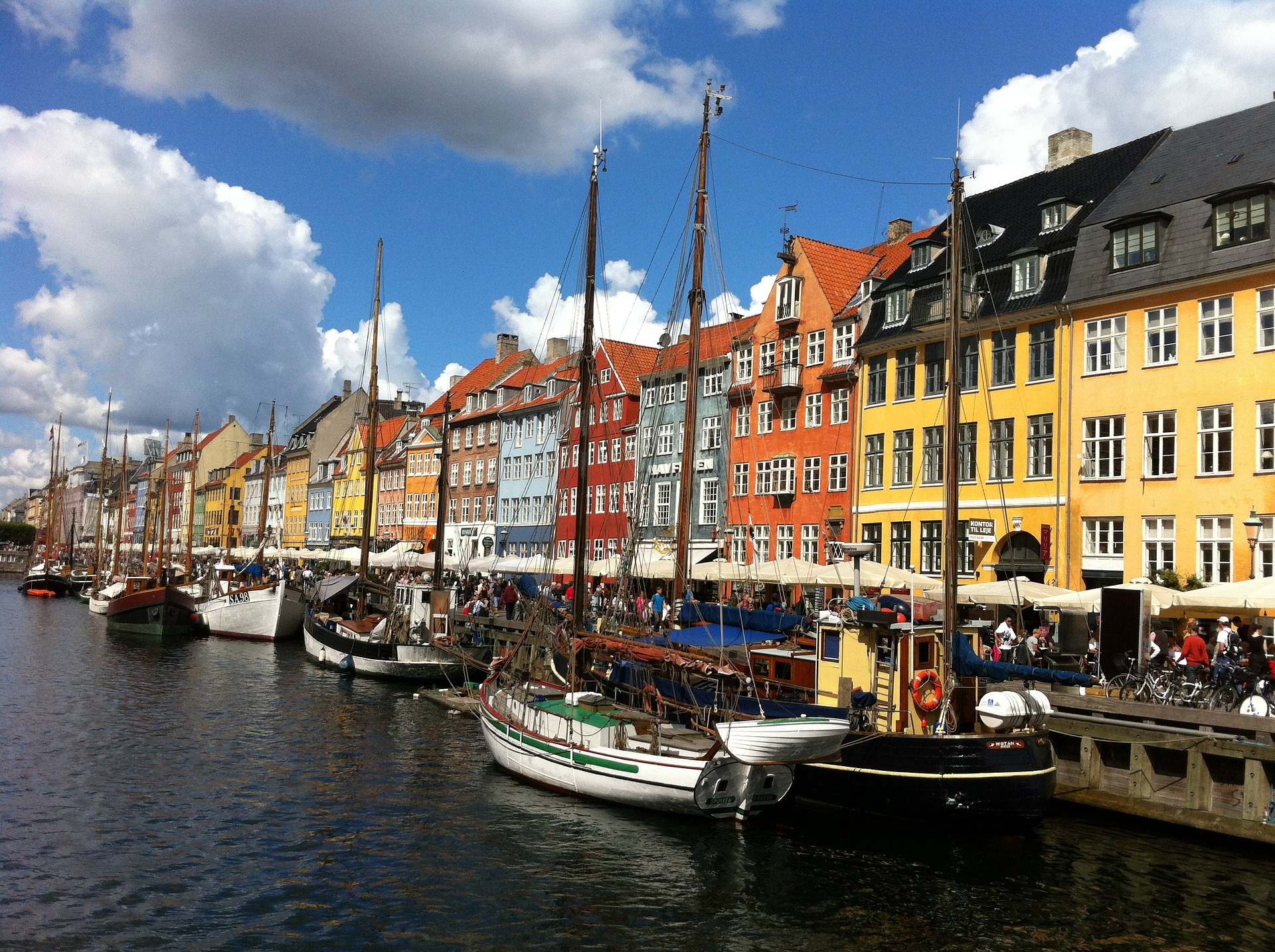
Crime levels are generally low, but pickpockets work in Copenhagen: at the central station, Nørreport, Strøget, Nyhavn, Christiania and the airport, and on airport trains. Take care in Christiania and Nørrebro late at night, where gang violence has occurred; in Christiania, do not take photographs. The terrorism threat level is "significant" (4 of 5).
Watch for bikes: many accidents happen when pedestrians step into cycle lanes. Wait for the green light to cross. At the beach, do not swim alone, and watch for undertow. Covering your face in public is illegal.
Customs and etiquette
Illegal drugs, including cannabis, are strictly prohibited, even in small quantities. The UK warns of jail sentences of up to 10 years and heavy fines, including when you transit through an airport.
Danes can seem reserved with strangers and rarely use "please" or titles, but they value honesty and keeping your word. Waiters and staff are treated as equals: handle complaints diplomatically. Obey pedestrian signals, as Danes do, even at night.
Language
| Official languages | Danish |
|---|---|
| English | Widespread |
| Hello | Hej high |
|---|---|
| Thank you | Tak tahg |
| Excuse me | Undskyld ON-skil |
| Goodbye | Farvel fa-VEL |
| Bye | Hej hej high high |
What to pack
- Card for payments: Cards work almost everywhere; shops can refuse cash at night.
- Rain jacket and layers: Weather changes quickly, even in summer.
- Sleeping mask: Summer nights are bright.
- Prescription medicines: Denmark does not accept UK prescriptions.
- EHIC or GHIC: For medically necessary state healthcare.
Quick reference
Country facts
| Capital | Copenhagen |
|---|---|
| Population | 6,009,169 (2025) |
| Area | 40,000 km² |
| Time zone | Europe/Copenhagen (UTC+1) |
| Calling code | +45 |
| Driving side | right |
Staying connected
| Roaming | With an EU SIM card you roam at home prices; other visitors should check their provider's rates. |
|---|---|
| Wi-Fi | Free Wi-Fi on InterCity trains and in many cafés. |
Useful apps
- Rejseplanen: Journey planner for all public transport
- DSB: Train tickets
Emergency numbers
| Emergency | 112 |
|---|
Frequently asked questions
Do I need a visa for Denmark?
Not for short stays with a UK or Canadian passport: up to 90 days in any 180-day period in the Schengen area. Check the official EU link before you book.
Does Denmark use the euro?
No, the Danish krone. Cards are accepted almost everywhere.
Is Denmark expensive?
Yes, almost everything costs more than in most of Europe, especially hotels and restaurants.
Can I drink the tap water?
Yes, it is excellent.
Do I tip in Denmark?
It is not traditional, as service is included in the bill.
Can I use Uber in Copenhagen?
Yes, but only to book a licensed taxi: Uber works with Dantaxi and Drivr. Private drivers in their own cars are not legal.
More Travel Stories from Denmark
Sources This guide was last checked on · 20 sources
- Wikivoyage: Denmark · Overview, Places to visit, Things to do, Itineraries, Climate and best time to visit, Getting there and around, Where to stay, Eat and drink, Money and payments, Health, Safety, Customs and etiquette, Language, What to pack, Staying connected, Frequently asked questions
- Wikidata: Denmark · Overview, Places to visit, Money and payments, Country facts
- WMO World Weather Information Service: Copenhagen · Climate and best time to visit
- Government of Canada: Denmark travel advice (updated 13 October 2026) · Climate and best time to visit, Getting there and around, Entry requirements and visas, Money and payments, Safety, Frequently asked questions
- Nager.Date: public holidays in Denmark, 2026 · Holidays and events
- UK FCDO: Denmark safety and security · Getting there and around, Safety, Customs and etiquette, Frequently asked questions
- UK FCDO: Denmark entry requirements · Entry requirements and visas, What to pack, Frequently asked questions
- European Union: Entry/Exit System · Entry requirements and visas
- Your Europe (EU): Travel documents for EU nationals · Entry requirements and visas
- ISO 4217 (SIX), published 2026-09-17 · Money and payments
- Eurostat: price level indices, 2024 (EU27 = 100) · Costs and budget
- CDC Travelers' Health: Denmark · Health
- UK FCDO: Denmark health · Health, What to pack
- US Department of State: Denmark travel advisory · Safety
- UK FCDO: Denmark travel advice · Safety
- Wikivoyage: Danish phrasebook · Language
- World Bank, SP.POP.TOTL · Country facts
- World Bank, AG.LND.TOTL.K2 · Country facts
- IANA Time Zone Database, zone.tab · Country facts
- UK FCDO: Denmark getting help · Emergency numbers
Suggest an update
Travel rules, prices and timetables change. If something in this guide is out of date, tell us: we check every suggestion against an official source before changing the page.