

- Local time
- 09:10
- Currency
- Euro (EUR)
- Capital
- Valletta
- Calling code
- +356
- Drive on the
- left
Overview
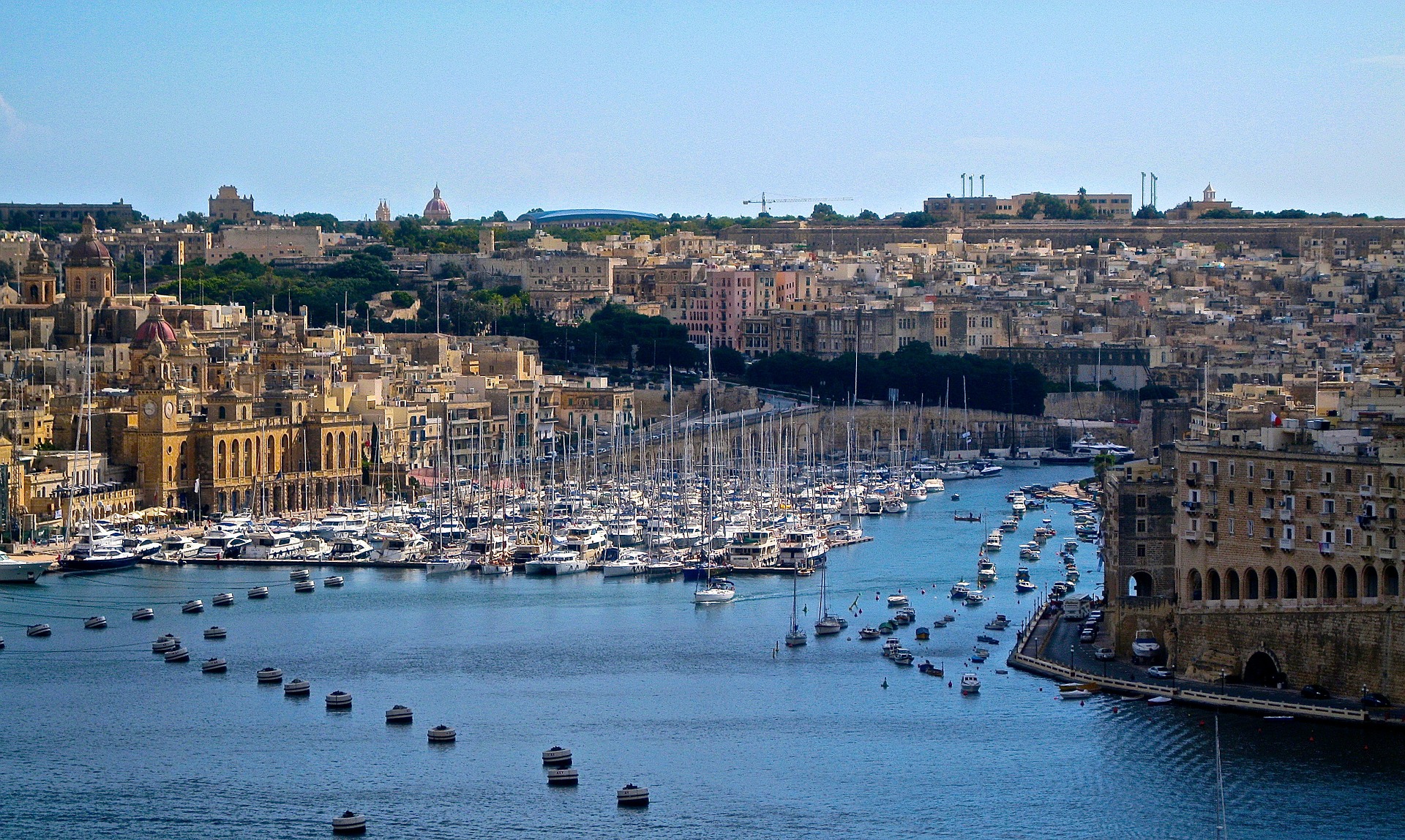
Three Mediterranean islands: the walled capital Valletta, Stone Age temples, clear water for diving and quiet Gozo. English is spoken everywhere.
Malta is a small archipelago between Sicily and North Africa, and only its three largest islands, Malta, Gozo and Comino, are inhabited. Its position has drawn Phoenicians, Romans, Arabs, the Knights of St John and the British, and each left something behind: megalithic temples among the oldest buildings in the world, the walled capital Valletta, built by the Knights after the siege of 1565, and the quiet old capital Mdina. Maltese and English are both official languages, and almost everyone speaks English.
The main island is densely populated, with no railway, so expect busy roads. The north has the beach resorts, while Gozo and Comino are quieter and rockier, good for snorkelling. The sea is clear for diving all year, and summers are hot and almost rainless; winters are mild, wet and windy. Malta uses the euro and is part of the Schengen area.
- Valletta: A UNESCO-listed capital packed with historic buildings, and St John's Co-Cathedral with its Caravaggio paintings.
- Mdina: The quiet, walled old capital on a hill, calm in the evening once day visitors leave.
- Megalithic temples: Ħaġar Qim, Mnajdra, Tarxien and Ġgantija: UNESCO-listed and among the oldest buildings in the world.
- Gozo: A rural island with its Citadel, the Inland Sea and coastal walks.
- Diving and snorkelling: Clear water all year, with reefs, wrecks and caves close to shore.
- Village feasts: Summer festivals for each town's saint, with decorations and fireworks.
Places to visit
- City
- Town
- Coast
- Island
- Historic site
Cities
- Valletta: The capital, a UNESCO World Heritage Site for its many historic buildings in a tiny space.
- Mdina: The well-preserved, quiet old capital, pronounced "im-dina".
- Rabat: Next to Mdina, with St Paul's catacombs and the Domus Romana.
- Cottonera (Three Cities): Birgu, Senglea and Cospicua, joined by 16th-century fortifications and linked to Valletta by ferry.
- Sliema: A shopping area just north of Valletta, linked to it by ferry.
- St Julian's: The nightlife area, with the bars and clubs of Paceville.
- Mosta: A town known for the Mosta Dome, one of the largest church domes in Europe.
- Marsaxlokk: A fishing village in the south with a big Sunday market.
- Victoria: The main town on Gozo, also called Rabat, and its bus hub.
Beyond the cities
- Ħaġar Qim and Mnajdra (site): Two Stone Age temples on the cliffs of south-west Malta.
- Ġgantija (site): Neolithic temples on Gozo.
- Hypogeum of Ħal-Saflieni (site): An underground complex from 3000 to 2500 BC; visits are limited and must be booked well ahead.
- Blue Grotto (coast): Seven sea caves and inlets on the south coast, visited by small boats.
- Għajn Tuffieħa (coast): A sandy beach next to Golden Bay, usually less crowded.
- Mellieħa (town): A town in the north surrounded by the islands' largest sandy beaches.
- Comino (island): The third inhabited island, reached by boat, with the Blue Lagoon.
- St Peter's Pool (coast): A natural inlet in the south that looks like a swimming pool cut into the rock.
Regions
- Malta Island: The largest and busiest island, with Valletta, Mdina and the resorts of the north.
- Gozo: The second island, rural and quieter, 25 minutes by ferry from Ċirkewwa.
- Comino: A tiny island between the two, visited by boat.
Things to do
See
- St John's Co-Cathedral Valletta: Built by the Knights, with Caravaggio paintings, tapestries and a floor of knights' tombs.
- Mdina in the evening Mdina: The walled old capital is at its calmest after the day visitors leave.
- The megalithic temples: Ħaġar Qim, Mnajdra and Tarxien on Malta and Ġgantija on Gozo; the Heritage Malta Multisite Pass covers most sites.
- The Hypogeum: An underground complex limited to 60 visitors a day: book well in advance.
- Blue Grotto by boat Blue Grotto: Small traditional boats leave from a pier on the south coast road.
Do
- Diving and snorkelling: Dive sites close to shore, with reefs, wrecks and caves; the sea ranges from about 14 °C in February and March to 26 °C in August.
- Coastal walks on Gozo Gozo: Hiking in the countryside, especially along the coast of Gozo.
- Village feasts: In summer every town celebrates its saint for a week, with street decorations and fireworks.
Shop
- Marsaxlokk Sunday market Marsaxlokk: A big market in the fishing village every Sunday.
After dark
- Paceville St Julian's: The main nightlife district, with free entry to most bars and clubs; busiest at weekends.
Itineraries
Malta and Gozo in 6 days (6 days)
- Valletta (3 nights): The capital, the Three Cities by ferry and day trips to Mdina, Rabat and the temples.
- Victoria (2 nights): Gozo's Citadel, Ġgantija and the coast; ferry from Ċirkewwa or fast ferry from Valletta.
- Mellieħa (1 night): Beaches in the north and a boat trip to Comino.
Malta's history in 3 days (3 days)
- Valletta (2 nights): St John's Co-Cathedral, the Hypogeum (book ahead) and the Tarxien Temples.
- Mdina (1 night): The old capital, Rabat's catacombs and the temples of Ħaġar Qim and Mnajdra.
Climate and best time to visit
| Jan | Feb | Mar | Apr | May | Jun | Jul | Aug | Sep | Oct | Nov | Dec | |
|---|---|---|---|---|---|---|---|---|---|---|---|---|
| Max °C | 15 | 16 | 17 | 19 | 23 | 28 | 31 | 31 | 28 | 24 | 20 | 17 |
| Min °C | 9 | 9 | 10 | 12 | 15 | 18 | 21 | 22 | 20 | 17 | 14 | 11 |
| Rain mm | 89 | 61 | 41 | 23 | 7 | 3 | 0 | 7 | 40 | 90 | 80 | 112 |
Malta has a Mediterranean climate: summers are hot and almost dry, winters mild, wet and windy. Near the airport the average maximum is about 15 °C in January and 31 °C in July and August, and July averages less than 1 mm of rain. Most of the rain falls from October to January, with December the wettest month.
May, June, September and October are warm without the peak heat of midsummer. The sun is strong in spring and summer, so use sunscreen. The sea is coolest in February and March (about 14 °C) and warmest in August (about 26 °C).
Holidays and events
- 1 January 2026 · New Year's Day
- 10 February 2026 · Feast of St. Paul's Shipwreck
- 19 March 2026 · Feast of St. Joseph
- 31 March 2026 · Freedom Day
- 3 April 2026 · Good Friday
- 1 May 2026 · Worker's Day
- 7 June 2026 · Sette Giugno
- 29 June 2026 · Feast of St.Peter and St.Paul
- 15 August 2026 · Assumption Day
- 8 September 2026 · Feast of Our Lady of Victories
- 21 September 2026 · Independence Day
- 8 December 2026 · Feast of the Immaculate Conception
- 13 December 2026 · Republic Day
- 25 December 2026 · Christmas Day
Getting around
| Main airports | MLA |
|---|
Buses (Malta Public Transport) cover both islands: on Malta most routes start in Valletta, on Gozo in Victoria. Use the Tallinja app for real-time times, as buses can be late or early, and expect full buses on tourist routes at weekends and in summer. In 2026 a single fare cost €2.50 (euro) in summer (June to October), €2 in winter and €3 at night, paid by contactless card or exact cash; a week pass cost €27, and a 4-day pass that also covers the fast ferry €21.
Ferries run from Ċirkewwa to Mġarr on Gozo about every 45 minutes in summer, and a fast ferry links Valletta and Gozo hourly in 45 minutes; weather can cause delays, especially to Gozo. Small ferries link Valletta with Sliema and the Three Cities, and boats go to Comino. Driving is on the left. Roads are narrow, congested and sometimes poorly maintained, local driving can be poor and heavy rain causes flash floods. A UK photocard licence is valid; Canadian drivers should carry an International Driving Permit. Cycling is risky on main roads, with no bike lanes. Taxis have regulated fares, and Bolt and Uber operate.
Flying to Malta? PartnerCompare fares and find the cheapest datesSearch flightsWhere to stay
- Hotels: Reasonably cheap by Western European standards.
- Hostels: Dorm beds are among the cheapest options.
- Holiday apartments: Rent only from reputable agencies: the Canadian government reports rental scams and disputes over deposits.
When renting an apartment or a car, read the contract, ask for an inventory, photograph any existing damage and avoid paying everything in advance.
Eat and drink
Dishes to try
- Pastizzi: Small savoury pastries sold everywhere.
- Fenkata: The celebratory rabbit feast: spaghetti in rabbit sauce, then rabbit stewed or fried.
- Ħobż biż-żejt: Maltese bread soaked in oil and spread with tomato paste, olives, tuna and capers.
- Ġbejniet: Small goat's or sheep's milk cheeses, fresh, dried or peppered.
- Bigilla: A purée of broad beans and herbs, served with water biscuits.
- Lampuki: Dolphin fish, fried in tomato and caper sauce towards the end of summer.
Drinks
- Ċisk: The main local lager, slightly sweeter than most.
- Kinnie: A fizzy soft drink made from bitter orange, first sweet and then bitter.
- Maltese wine: Inexpensive and generally good, from wineries such as Marsovin and Delicata; summer wine festivals in Valletta and Qormi.
Many restaurants in resorts such as Sliema serve British pub food, so look a little further for Maltese cooking, which is simple, based on fish and vegetables, with Italian influences. Tap water is safe but tastes slightly salty, because most of it comes from desalination.
Entry requirements and visas
| Passport validity | Issued less than 10 years before you arrive, and valid at least 3 months after you leave the Schengen area |
|---|
| Passport | Entry | Max stay | Notes |
|---|---|---|---|
| EU / EEA | Freedom of movement | EU free movement rules apply. | |
| United Kingdom | Visa free | 90 days | 90 days in any 180-day period across the whole Schengen area. |
| Canada | Visa free | 90 days | 90 days in any 180-day period across the whole Schengen area. |
| United States | Visa free | 90 days | 90 days in any 180-day period across the whole Schengen area. |
| Australia | Visa free | 90 days | 90 days in any 180-day period across the whole Schengen area. |
Other nationalities: check the official source below.
- EES (Entry/Exit System): fingerprints and photo at the border, free
- ETIAS (travel authorisation, EUR 20): not in operation yet
Malta is part of the Schengen area. Visitors from the UK, the US, Canada and Australia can stay up to 90 days in any 180-day period without a visa, counting the days spent in other Schengen countries. Non-EU visitors register fingerprints and a photo in the EU's Entry/Exit System (EES) on their first entry: allow extra time at the border, and at the airport when you leave.
At the border you may be asked for a return or onward ticket and proof that you have enough money for your stay. If you arrive from, or have transited through an airport in, a country with yellow fever risk, you need a vaccination certificate. You cannot bring meat or milk products into the EU, and cash of €10,000 or more must be declared.
ETIAS, the online travel authorisation for visa-free visitors, is not in operation yet. Rules depend on your passport and can change: check the official link before you book.
Money and payments
| Currency | Euro (EUR) |
|---|
Malta uses the euro (EUR). Other currencies are no longer accepted in shops or restaurants, so change dollars or pounds at a bank or exchange office. Bus drivers take contactless cards. Card and ATM fraud happens: use ATMs inside banks or shops, cover the keypad and check your statements.
Costs and budget
- Single bus ride, summer 2026: €2.50
- Tallinja week bus pass, summer 2026: €27
- Heritage Malta Multisite Pass (August 2023): €50
- Return boat trip to Comino (April 2023): €15
According to Eurostat, in 2024 the general price level in Malta was about 91% of the EU average, food in shops about 112% and restaurants and hotels about 89%.
Transport is cheap by European standards, and food and accommodation are reasonably priced compared with Western European capitals.
Health
| Required vaccines | Yellow fever certificate, only if you arrive from or transit through an airport in a country with yellow fever risk |
|---|---|
| Recommended vaccines | Routine vaccines, including measles (MMR), Hepatitis A: consider it, Rabies, only if you will work with wildlife |
| Tap water | Safe |
Check your vaccines with a travel health clinic 6 to 8 weeks before you go. The main health risk is the strong sun in spring and summer. Tap water is safe, though slightly salty.
Healthcare is excellent, but payment may be asked in advance if your insurance cannot be confirmed, and serious cases may need evacuation to another European country. UK prescriptions are not recognised: a Maltese doctor may need to issue a local one, and most pharmacies can arrange an appointment with a private GP. A European (EHIC) or UK (GHIC) card gives access to medically necessary state healthcare but does not replace travel insurance. Dial 112 for an ambulance.
This is general information, not medical advice: check with a travel health professional before you go.
Safety
- United States: Level 1: Exercise Normal Precautions (2026-10-20)
- Canada: Take normal security precautions (2026-10-20)
- United Kingdom: No advice against travel (2026-10-20)
Crime against tourists is rare, but pickpockets work on crowded buses between Valletta, Sliema and St Julian's (lines 13 to 16), at markets in Valletta and Marsaxlokk, on beaches and in hotel lobbies. In Paceville, people have been drugged in some bars and gentlemen's clubs and then overcharged or assaulted: buy your own drinks, keep them in sight and check your bill. Car park attendants may ask for a tip as if it were compulsory; it is voluntary.
People drown every year in the sea and in pools. Obey the beach flags (red means no swimming, blue or violet means contaminated water or dangerous species), do not dive into unknown water, wear reef shoes and watch for falling rocks below cliffs. Bird hunting with guns takes place in spring and autumn, often in unmarked areas: stay on paths and in designated camping areas in the countryside.
Customs and etiquette
Malta is a strongly Roman Catholic country, and rowdy behaviour is frowned upon outside St Julian's and Paceville. In churches, cover your knees and shoulders and men should remove hats and sunglasses; you may be refused entry once Mass has started. Maltese people can sound loud, but they are friendly and helpful.
The police can ask for ID at any time, so carry it or a copy. Malta legalised growing and using cannabis at home in 2021, but smoking it in public is illegal, carrying it in public is allowed only for residents, and other drug offences carry long jail sentences. Some beach activities are banned under a code of conduct, and drones must be registered.
Language
| Official languages | Maltese, English |
|---|---|
| English | Widespread |
| Good morning | Bonġu BON-ju |
|---|---|
| Please | Jekk jogħġbok yek YOH-jbok |
| Thank you | Grazzi GRUTS-ee |
| Excuse me | Skużi SCOO-zee |
| Goodbye | Saħħa SAH-ha |
| Do you speak English? | Titkellem bl-Ingliż? tit-kel-lem blin-gleez |
What to pack
- Passport or EU/EEA ID card: Needed for Schengen, and the police can ask for ID at any time.
- Sunscreen and a hat: The sun is fierce in spring and summer.
- Reef shoes: Rocky shores, sea urchins and sharp stones.
- Clothes covering knees and shoulders: Required to visit churches.
- Your prescriptions and medicines: UK prescriptions are not recognised in Malta.
- Some coins: Bus drivers give no change if you pay cash.
Quick reference
Country facts
| Capital | Valletta |
|---|---|
| Population | 579,704 (2025) |
| Area | 315 km² |
| Time zone | Europe/Malta (UTC+1) |
| Calling code | +356 |
| Driving side | left |
Staying connected
| SIM and eSIM | Three networks: EPIC, GO and Melita. All sell SIM cards and eSIMs, which you can also buy before arrival. |
|---|---|
| Roaming | With an EU SIM card you pay home prices for calls, texts and data (roam like at home). Others should check their provider's rates. |
| Wi-Fi | Almost always available in hotels and hostels, free in many cafés and on the Gozo ferry. |
Emergency numbers
| Emergency | 112 |
|---|
Frequently asked questions
Do I need a visa for Malta?
Not for short trips with an EU, UK, US, Canadian or Australian passport: Malta is in the Schengen area, so you can stay up to 90 days in any 180-day period. Check the official EU link before you book.
Do people speak English in Malta?
Yes. English is an official language with Maltese, and almost everyone speaks it.
Which side of the road do they drive on?
On the left, as in the UK.
How do I get to Gozo?
By ferry from Ċirkewwa to Mġarr, about every 45 minutes in summer, or by the hourly fast ferry from Valletta, which takes 45 minutes.
Can I drink the tap water in Malta?
Yes, it is safe, though slightly salty because most of it comes from desalination.
When is the best time to visit Malta?
May, June, September and October are warm without the midsummer heat; July and August are hot and almost rainless.
More Travel Stories from Europe
 Portugal
Sources This guide was last checked on · 20 sources
- Wikivoyage: Malta · Overview, Places to visit, Things to do, Itineraries, Climate and best time to visit, Getting around, Where to stay, Eat and drink, Money and payments, Costs and budget, Health, Safety, Customs and etiquette, Language, What to pack, Staying connected, Frequently asked questions
- Wikidata: Malta · Places to visit, Money and payments, Country facts
- WMO World Weather Information Service: Luqa, Malta · Climate and best time to visit, Frequently asked questions
- Nager.Date: public holidays in Malta, 2026 · Holidays and events
- UK FCDO: Malta safety and security · Getting around, Safety, Customs and etiquette, What to pack
- Government of Canada: Malta travel advice (updated 18 August 2026) · Getting around, Where to stay, Entry requirements and visas, Money and payments, Health, Safety, Customs and etiquette, What to pack, Frequently asked questions
- UK FCDO: Malta entry requirements · Entry requirements and visas, Health, What to pack, Frequently asked questions
- European Union: ETIAS official website · Entry requirements and visas
- ISO 4217 (SIX), published 2026-09-17 · Money and payments
- Eurostat: price level indices, 2024 (EU27 = 100) · Costs and budget
- UK FCDO: Malta health · Health
- US CDC: Travelers' health, Malta · Health
- US Department of State: Malta travel advisory · Safety
- UK FCDO: Malta travel advice · Safety
- Wikivoyage: Maltese phrasebook · Language
- World Bank, SP.POP.TOTL · Country facts
- World Bank, AG.LND.TOTL.K2 · Country facts
- IANA Time Zone Database, zone.tab · Country facts
- Your Europe: mobile roaming costs · Staying connected
- UK FCDO: Malta getting help · Emergency numbers
Suggest an update
Travel rules, prices and timetables change. If something in this guide is out of date, tell us: we check every suggestion against an official source before changing the page.