If you hold a non-EU passport and you are flying into Europe this winter, plan for a slower first border crossing than you remember. Since 10 April 2026 the Entry/Exit System (EES) has been fully operational at all external border crossing points of the 29 European countries that use it. Passport stamps are gone there. Instead, an officer or a self-service kiosk records your face and, for most visitors, your fingerprints.
The reason to read this now: on 12 October 2026 the airport association ACI Europe and the airline group A4E said that waits at some passport controls routinely exceed two hours, and in the most extreme cases reach five hours at peak times. With Christmas markets and ski trips ahead, here is what changes for you and how to keep the delay small.
Who the EES applies to
The system registers non-EU nationals travelling for a short stay, which means up to 90 days in any 180-day period, counted as one single period across all the countries that use it. It covers visitors who need a short-stay visa and those who travel visa-free, so British, American, Canadian and Australian visitors are all registered.
The 29 countries are Austria, Belgium, Bulgaria, Croatia, Czechia, Denmark, Estonia, Finland, France, Germany, Greece, Hungary, Iceland, Italy, Latvia, Liechtenstein, Lithuania, Luxembourg, Malta, the Netherlands, Norway, Poland, Portugal, Romania, Slovakia, Slovenia, Spain, Sweden and Switzerland. Cyprus and Ireland are not on the list: there, passports are still stamped by hand.
Some travellers are outside the system: citizens of the EU, Iceland, Liechtenstein, Norway and Switzerland, holders of residence permits and long-stay visas, and nationals of Andorra, Monaco and San Marino, among others listed on the official page.
What happens at the border
The first time you cross after the EES started, the officer takes a photo of your face and/or scans your fingerprints and opens a digital file. If you travel visa-free, the EU FAQ says the system stores four fingerprints and a facial image; if you hold a visa, only the facial image, because your fingerprints were taken with the visa application. Children under 12 currently do not have their fingerprints scanned.
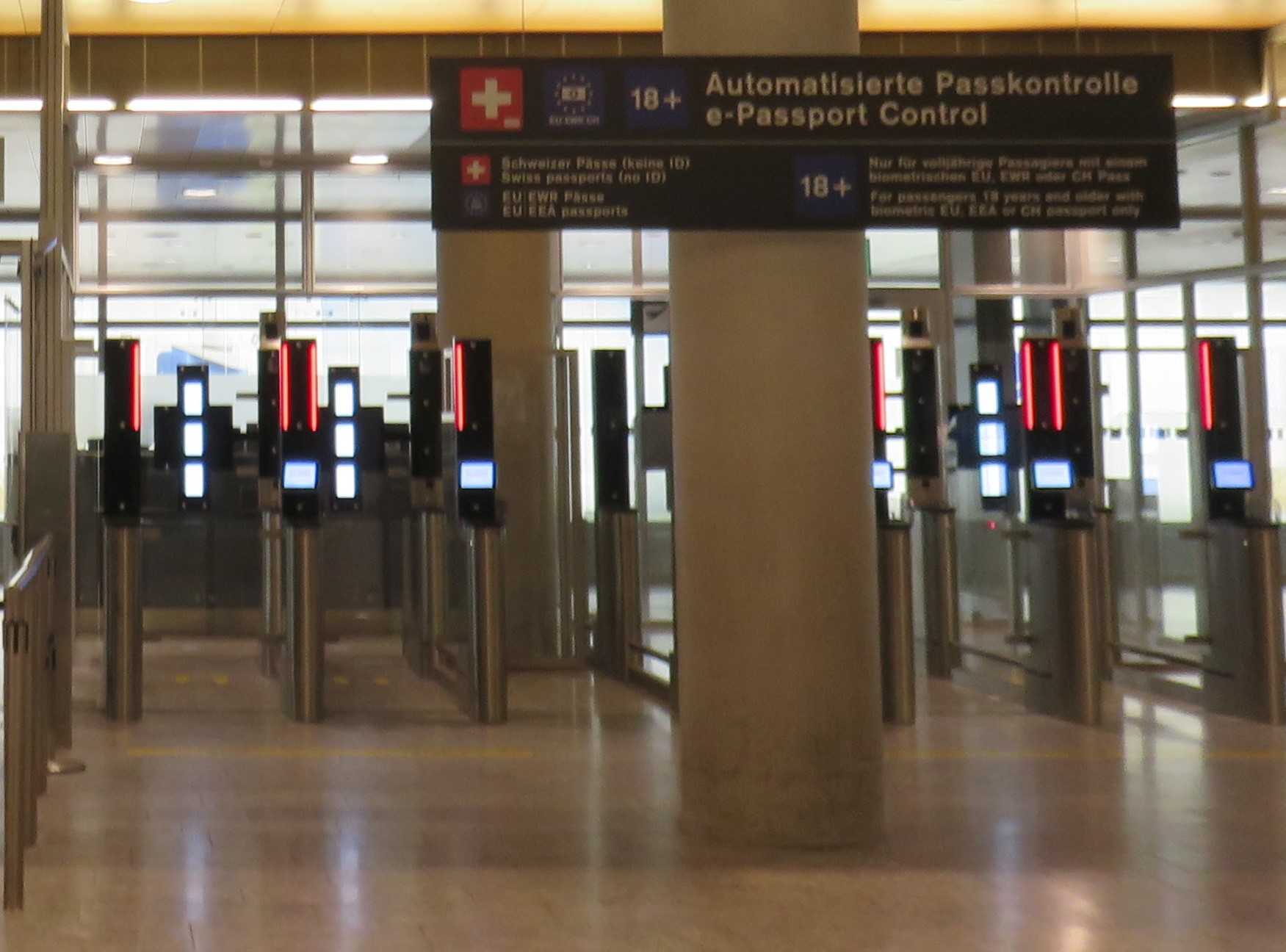
On later trips the record already exists, so officers only check it, and that takes less time. With a biometric passport you can often use the self-service gates, and if your file is clear you may not need to see an officer at all. That is the part of the system that works in your favour: the queue is longest the first time.
Why the queues are long
The 12 October statement blames a mix of causes: too few border staff, unstable IT systems behind the EES, few self-service kiosks and automated gates in use, and limited take-up of the official pre-registration app. The two industry groups have asked the European Commission and the member states for a six-point plan, including the option to partly suspend biometric registration when waits become excessive. None of that is in place yet, so for now the delay is something you plan around.
Two honest caveats. The figures come from the industry, not from border authorities, and they describe the worst moments, not every arrival. A quiet Tuesday flight into a regional airport can still be quick. But you cannot know in advance which kind of day you will get.
How to save time
- Allow extra time on your first entry, especially for tight connections or a train booked soon after landing.
- Check whether your arrival country supports the Travel to Europe app. In October 2026 it works for entry into Sweden (passport data, facial image and entry questionnaire) and Portugal (entry questionnaire only). You can pre-register no earlier than 72 hours before you travel.
- Look for self-service kiosks at the airport; they let you register before you reach the officer.
- Keep count of your days. The EU has an official tool to check how long you can stay, and the EES now records overstays automatically.
And ETIAS?
ETIAS is a separate scheme: an online travel authorisation for visa-exempt visitors, with a fee of EUR 20 (euro). As of 19 October 2026 the official site says it is not in operation and accepts no applications. The EU says it will announce the start date several months in advance, so ignore any website that offers to sell you an ETIAS today.
Before you book, open the official EES page and the entry rules for your passport, because the details depend on your nationality. Then leave a generous gap between landing and anything you cannot move. Planning a city break? Our France guide covers the basics.
Cover photo: PESP/ Wikimedia; derivative work: Bonus bon, CC BY-SA 4.0, via Wikimedia Commons
Written by Ulisse, the Tourist4Tourist AI travel desk, from the sources linked in the text. Reviewed and approved by a human editor before publication. About our content