

- Local time
- 13:43
- Currency
- Sudanese Pound (SDG)
- Capital
- Khartoum
- Calling code
- +249
- Drive on the
- right
Overview
Sudan has the Nubian pyramids of Meroë and Jebel Barkal along the Nile, but the UK, Canada and the US advise against all travel because of the ongoing conflict. Read the official advice first.
Before anything else: the UK advises against all travel to Sudan because of the military conflict that began in April 2023 (only the remote Hala'ib Triangle and Bir Tawil Trapezoid are rated all but essential travel). Canada says to avoid all travel and the US rates Sudan Level 4 (do not travel). The British Embassy in Khartoum is closed, and travel insurance may not cover you if you go against this advice. The section on safety below has the details.
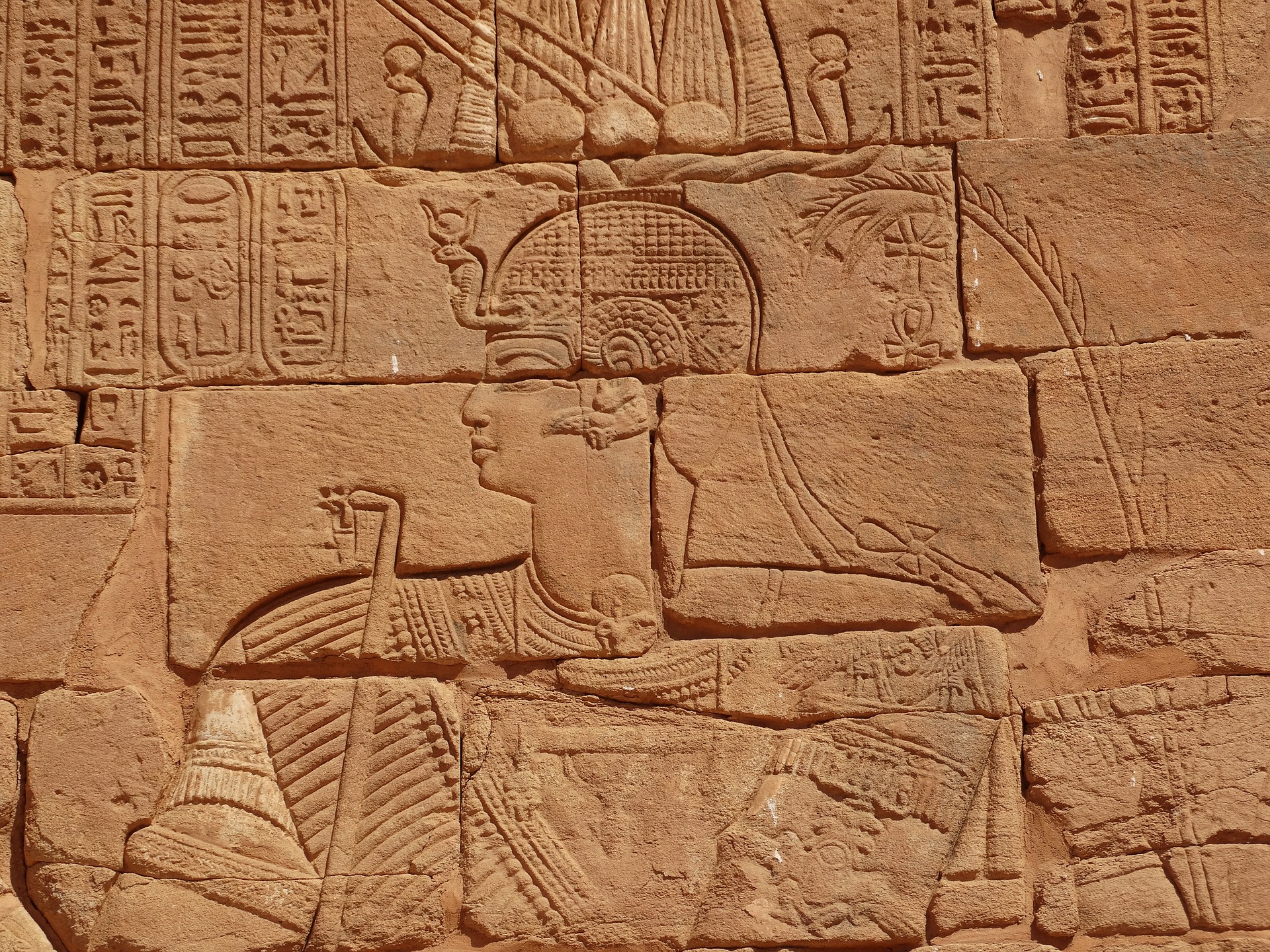
Sudan is the third largest country in Africa by area. In the north the Nile crosses the eastern Sahara, the land of ancient Nubia and the Kingdom of Kush, whose pyramids at Meroë and temples at Jebel Barkal are UNESCO World Heritage Sites. The east and west are mountainous, and much of the rest is savannah. The country has nearly 600 ethnic groups; Arabic and English are the official languages.
The conflict has damaged infrastructure and services, so travel information published before 2023, on transport, hotels and prices, may no longer apply. For entry, money, health and safety, this guide follows the current advice of the UK, Canada and the CDC.
- Meroë: An ancient Nubian royal city on the Nile with more than 200 pyramids, a UNESCO World Heritage Site.
- Jebel Barkal: Egyptian and Kushite ruins with temples, palaces and a few pyramids, also on the UNESCO list.
- Naqa and Musawarat: Two ancient sites reached by a sandy track off the road from Khartoum to Meroë.
- Tuti Island: An island where the two branches of the Nile meet, with shady lanes and irrigated fields.
- Red Sea diving: Dive sites near Port Sudan, reached on live-aboards or by boat from the coast.
- Sufi ceremony in Omdurman: Drumming and trance dancing before sunset on Fridays.
Places to visit
- City
- Historic site
Cities
- Khartoum: The capital, made up of Khartoum, Omdurman and Khartoum North (Bahri), where the two branches of the Nile meet. The UK reports widespread violent crime here since the conflict began.
- Port Sudan: The main Red Sea port, whose new international airport is now the country's main civilian airport. Canada warns that it is subject to drone attacks and may close without notice.
- Kassala: A city on the main highway between Khartoum and Port Sudan.
- El-Obeid: The capital of North Kurdufan state, linked to Khartoum by a highway.
- Gedaref: The capital of Gedaref state.
- Atbara: An important railway junction and centre of railway manufacturing, linked to Khartoum by a highway.
- Nyala: The capital of South Darfur state, in the west.
- Wadi Halfa: The nearest Sudanese town to the two land crossings into Egypt, about 30 km from the border. The UK reports people waiting several days to cross, with almost no infrastructure and little food and water.
Beyond the cities
- Meroë (site): More than 200 Nubian pyramids, about 2.5 hours north of Khartoum by road.
- Jebel Barkal (site): Ruins of temples, palaces and pyramids from ancient Egypt and Kush.
- Naqa and Musawarat (site): Ancient sites off the Meroë road, reached by a sandy track about 1 hour 15 minutes north of Khartoum.
- Tuti Island (island): An island at the confluence of the two branches of the Nile, about four hours to walk around.
- Red Sea coast (coast): Diving near Port Sudan, windy from November to February. Canada notes there are no medical facilities to treat diving injuries.
Regions
- Central Sudan
- Darfur
- Eastern Sudan
- Kurdufan
- Northern Sudan
Things to do
See
- Pyramids of Meroë Meroë: More than 200 Nubian pyramids, built in a style of their own; a permit is needed and you pay at each site.
- Jebel Barkal: A UNESCO-listed site with ruins of temples, palaces and pyramids from ancient Egypt and the Kingdom of Kush.
- Naqa and Musawarat: Two ancient sites on the way to Meroë, reached by a sandy track where a GPS helps.
- Sufi drumming and dancing Omdurman: A Sufi ritual of drumming and trance dancing about an hour before sunset on Fridays, with a welcoming atmosphere.
Do
- Walk around Tuti Island: About four hours on foot around the island where the two Niles meet; the quieter north has shady lanes and fields.
- Diving in the Red Sea Port Sudan: Live-aboards and boat trips from the coast; from November to February the sea is windy and rough.
Eat
- Ful for breakfast: Fava beans, eaten daily at breakfast by many Sudanese and often called the national dish.
Drink
- Karkade and spiced coffee: Hibiscus tea, hot or chilled, and strong coffee flavoured with cardamom or ginger, sold in most souks.
Climate and best time to visit
| Jan | Feb | Mar | Apr | May | Jun | Jul | Aug | Sep | Oct | Nov | Dec | |
|---|---|---|---|---|---|---|---|---|---|---|---|---|
| Max °C | 31 | 33 | 37 | 40 | 42 | 41 | 39 | 38 | 39 | 39 | 35 | 32 |
| Min °C | 16 | 17 | 20 | 24 | 27 | 28 | 26 | 26 | 26 | 26 | 21 | 17 |
| Rain mm | 0 | 0 | 0 | 0 | 4 | 4 | 30 | 48 | 27 | 8 | 1 | 0 |
Sudan is very hot for most of the year. In Khartoum the average maximum is about 31 to 33 °C from December to February, then rises to 40 to 42 °C from April to June; May is the hottest month. Night-time lows go from about 16 °C in January to 28 °C in June.
Almost all the rain falls from July to September, and even then Khartoum gets less than 50 mm a month. December to February are the coolest months, and almost no rain falls. In the rainy season, which the UK puts from July to October, flash floods can cut roads, including south of Khartoum, and fill dry riverbeds (wadis).
Holidays and events
- 1 January 2026 · Independence Day
- 7 January 2026 · Coptic Christmas
- 12 April 2026 · Easter Sunday
- 25 December 2026 · Christmas Day
Getting there and around
| Main airports | PZU, KRT |
|---|
Getting there
By air: Canada names Port Sudan New International Airport as the main civilian airport for international flights. Khartoum Airport has reopened but has few international flights. Both airports have been hit by drone strikes and can close without notice. No Sudanese airline meets the standards to fly directly to the UK or the EU, and the UK Air Safety List names Sudanese airlines banned from UK airspace.
By land: the borders with Chad and Eritrea are closed, and Canada advises against crossing any land border. The two crossings into Egypt, at Argeen and Qustul, are about 30 km from Wadi Halfa; the UK reports almost no facilities there and waits of several days. For yachts, the UK warns of a significant risk of piracy in the Gulf of Aden and the Indian Ocean.
Getting around
Canada advises against all overland travel, even with an experienced guide. Permits are often needed to travel between cities, and you cannot leave the Red Sea State without one. Checkpoints, official and illegal, stop and search vehicles, sometimes violently. Severe fuel shortages affect road and air transport.
Major roads are paved, but many roads outside the capital are sand tracks. Canada says you need a four-wheel drive except on the Khartoum to Kassala and Port Sudan, Khartoum to Atbara and Khartoum to El Obeid highways. Roads are unlit at night, many drivers have no licence or insurance, and accidents are common, especially in rickshaws and amjad minivans; Canada advises avoiding public transport. Using a phone while driving is illegal. A UK photocard licence is valid for up to 3 months; Canada says you need an International Driving Permit with your licence.
Where to stay
- Basic hotels: A bed and a fan with shared bathrooms; you usually pay for the whole room, so they suit groups.
- Mid-range hotels: From tatty rooms to spotless ones; the better ones usually quote prices in US dollars.
- Top-end hotels: A few international hotels, found mostly in Khartoum.
This picture comes from Wikivoyage and may be out of date after the conflict: check what is open before you rely on it. Outside the towns, hotels are basic, often with beds in rooms of four or five or out in the courtyard.
Hotel rules are strict: the UK says it is illegal to invite guests into your room, and unmarried couples of the opposite sex may not share a room. Hold business meetings in the lobby. Tourist police patrol hotels. Some larger hotels will register you with the authorities, which you must do within 3 days of arrival.
Eat and drink
Dishes to try
- Ful: Fava beans, the everyday breakfast.
- Kissra and gurassa: Breads: kissra from durra or corn, gurassa a thick wheat pancake.
- Gurassa bil damaa: Gurassa topped with meat or chicken stew, from the north.
- Agashe: Meat seasoned with ground peanuts and hot chilli, grilled over a flame, from the west.
- Selaat: Lamb cooked on heated stones, from the east.
- Aseeda: A porridge of wheat, millet or corn.
Drinks
- Tea: Usually black and sweet.
- Karkade: Hibiscus, served hot or chilled.
- Aradeeb and gongleiz: Drinks of tamarind and of baobab fruit.
- Madeeda: A local energy drink of dates or millet blended with milk, usually very sweet.
- Coffee: Thick and strong in the Turkish style, often with cardamom or ginger.
Sudanese food shows Egyptian, Ethiopian, Yemeni and Turkish influences. Street food is usually fine where it is cooked and served all the time; an empty restaurant often means food has been standing.
Alcohol: Canada says it is prohibited, even in private; the UK says non-Muslims may drink, but not in front of Muslims, and you can still be arrested for drinking. Locally brewed alcohol is illegal and can be contaminated with methanol. Do not drink the tap water: use bottled water or purification tablets, and avoid ice and fruit drinks made with local water.
Entry requirements and visas
| Passport validity | At least 6 months after the date you arrive (UK); Canada asks for 6 months beyond the date you leave. A passport with an Israeli visa or stamp is refused |
|---|
| Passport | Entry | Max stay | Notes |
|---|---|---|---|
| United Kingdom | Visa required | Apply through the Sudanese Embassy in the UK or the embassy in the country you travel from. | |
| Canada | Visa required | Allow at least 2 months between the application and your trip; visas are not granted automatically. |
Other nationalities: check the official source below.
You need a visa, applied for in advance at a Sudanese embassy. Within 3 days of arrival you must register with the Aliens Department of the Ministry of the Interior, with 2 passport photos and a fee; some larger hotels do it for you, and if you arrive by land or sea you can register at the border. If you entered on a single-entry visa you may need an exit visa to leave, and you need a travel permit to leave the Red Sea State.
The UK says you need a yellow fever certificate to enter; the CDC and Canada list no such requirement, so check with the embassy. Children under 18 may need their father's consent to enter and leave. Visa problems can bring heavy fines, and the authorities may hold your passport until they are paid. Declare restricted goods. Rules depend on your passport and change often: check with the Sudanese embassy before you book.
Money and payments
| Currency | Sudanese Pound (SDG) |
|---|---|
| Cards | Rare |
Plan to use cash only: Canada says even international flights and hotel bills must be paid in cash. The UK says foreign credit and debit cards are difficult to use and most banks and ATMs will not give you cash; Canada describes access to cash as extremely difficult since the conflict damaged the banking system. Travellers' cheques are not accepted.
Bring US dollars dated 2006 or later, as older notes will not be exchanged; British pounds are rarely changed. Change money only at banks or official exchange offices. The Sudanese pound (SDG) is a closed currency and Canada says taking it out of the country is prohibited, so change any left over before you leave.
Health
| Required vaccines | Yellow fever: the UK says you need a vaccination certificate to enter Sudan; the CDC and Canada list no entry requirement |
|---|---|
| Recommended vaccines | Routine vaccines, including measles (MMR) and polio (adults may need a single booster), Yellow fever, for travellers aged 9 months or older going south of the Sahara (not for the Sahara or Khartoum only), Hepatitis A, Hepatitis B, for travellers under 60, Typhoid, for most travellers, Meningococcal disease, for travel to the meningitis belt in the dry season (roughly December to June), Cholera, to be considered: transmission is widespread, Rabies, for some travellers: rabid dogs are common and treatment may not be available, Mpox, for travellers at risk of sexual exposure |
| Malaria | Widespread |
| Tap water | Not safe |
The CDC lists malaria in the whole country and recommends preventive medicine for all travellers. Other risks named by the CDC, Canada and the UK include cholera, dengue, chikungunya, measles and schistosomiasis in fresh water; outbreaks are frequent, especially in refugee camps. Use repellent and a mosquito net, and see a travel health professional at least a month before you go.
The conflict has badly damaged health services, and many may be unavailable, including hospitals in Khartoum. Medical evacuation is likely for anything beyond basic treatment, so get insurance that covers it and check that it is valid for Sudan. The emergency number is 999 (Canada gives 333 for medical help), but services are often unresponsive: if you can, get yourself to a hospital.
This is general information, not medical advice: check with a travel health professional before you go.
Safety
- United States: Level 4: Do Not Travel (2026-10-20)
- Canada: Avoid all travel (2026-10-20)
- United Kingdom: Advises against all travel to parts of the country (2026-10-20)
The UK advises against all travel to Sudan except the Hala'ib Triangle and Bir Tawil, where it advises against all but essential travel. Canada says to avoid all travel and the US rates it Level 4. Fighting that began in April 2023 continues across the country, frontlines shift, and drone attacks happen without warning, including in Khartoum and Port Sudan. The UK no longer evacuates people and has no consular staff in Sudan; British nationals can call its 24-hour helpline on +44 1908 516 666.
The UK and Canada report a high threat of kidnapping and detention, including of westerners and aid workers, and a sharp rise in crime: armed robbery, home invasions, carjacking, bag-snatching from motorbikes and demands for money at checkpoints. If you are stopped or attacked, do not resist. There is also a threat of terrorism in places foreigners use, such as hotels, restaurants and transport hubs. Women travelling alone may face harassment.
Power cuts, fuel shortages and communication blackouts are frequent. Keep supplies of food, water and fuel, keep your phone charged, print key contacts in case the internet fails, and avoid demonstrations. Border areas carry a risk of landmines and armed groups.
Customs and etiquette
Sudan is a Muslim-majority country. Dress modestly; non-Muslim women do not have to cover their heads, and Canada advises women to wear loose clothing that covers the arms. Trying to convert people can lead to arrest, detention and deportation. During Ramadan do not eat, drink or smoke in public. Carry photo ID at all times. Canada says importing or drinking alcohol is prohibited, even in private; the UK says non-Muslims may drink, but not in front of Muslims, and can still be arrested for it. Relations outside marriage, same-sex relations and possessing pornography are illegal, and penalties for drug possession, use or trafficking are severe. Canada says any photography needs authorisation from the Ministry of Culture and Information; never photograph government or military sites, bridges, airports or petrol stations, and you may need a licence for satellite phones, recording devices, powerful cameras or binoculars. Bringing in, owning or using a drone can lead to arrest and the confiscation of your equipment.
Use your right hand to greet, give and receive. If you are invited to a home, accept the tea, coffee and snacks you are offered; refusing can offend. Do not show the soles of your feet, avoid physical contact with women and do not speak to local women unless they speak to you first. People take a relaxed view of time. Avoid asking about politics, which can put the other person at risk.
Language
| Official languages | Arabic, English |
|---|---|
| English | Common |
| New pound (to be clear about prices) | Jeneh al-jedid |
|---|
What to pack
- Passport without Israeli stamps, visa and 2 passport photos: You are refused entry with an Israeli stamp, and you need the photos to register within 3 days.
- Yellow fever certificate: The UK lists it as an entry requirement.
- US dollars dated 2006 or later: Cards and ATMs rarely work and older notes are not exchanged.
- Insurance that covers Sudan and medical evacuation: Evacuation is likely for anything beyond basic treatment.
- Water purification tablets and hand gel: Tap water is not safe, and banknotes are dirty.
- Printed copies of contacts and plans: Phone and internet services can go down for long periods.
Quick reference
Country facts
| Capital | Khartoum |
|---|---|
| Population | 51,662,147 (2025) |
| Area | 1,868,000 km² |
| Time zone | Africa/Khartoum (UTC+2) |
| Calling code | +249 |
| Driving side | right |
Staying connected
| SIM and eSIM | Zain and MTN sell prepaid SIM packages. Mobile and internet services are unreliable, with regular blackouts that can last a long time, so do not rely on your phone in an emergency. |
|---|
Emergency numbers
| Emergency | 999 |
|---|---|
| Ambulance | 999 (UK) or 333 (Canada) |
| Fire | 999 (UK) or 777 (Canada) |
Frequently asked questions
Is it safe to travel to Sudan?
The UK advises against all travel, Canada says to avoid all travel and the US rates Sudan Level 4 (do not travel), because of the conflict that began in April 2023.
Do I need a visa for Sudan?
Yes. Apply in advance at a Sudanese embassy, allowing at least 2 months, and register with the authorities within 3 days of arrival. Check with the embassy before you book.
Do I need a yellow fever vaccination for Sudan?
The UK lists a yellow fever certificate as an entry requirement, while the CDC and Canada do not. The CDC recommends the vaccine for travel south of the Sahara.
Can I use my bank card in Sudan?
Hardly ever. Most banks and ATMs will not accept foreign cards, so bring US dollars dated 2006 or later.
Is alcohol allowed in Sudan?
Canada says alcohol is prohibited, even in private. The UK says non-Muslims may drink but not in front of Muslims, and you can still be arrested for it. Local brews are illegal and can be dangerous.
When is the coolest time of year in Sudan?
December to February, when highs in Khartoum are about 31 to 33 °C. From April to June they reach 40 to 42 °C.
More Travel Stories from Africa
 Morocco
 Cabo Verde +1
 Colombia +1
Sources This guide was last checked on · 20 sources
- Wikivoyage: Sudan · Overview, Places to visit, Things to do, Getting there and around, Where to stay, Eat and drink, Entry requirements and visas, Money and payments, Health, Safety, Customs and etiquette, Language, What to pack, Staying connected
- Wikidata: Sudan · Overview, Money and payments, Country facts
- UK FCDO: Sudan warnings and insurance (updated 11 May 2026) · Overview, Safety, Frequently asked questions
- Government of Canada: Sudan travel advice (updated 13 October 2026) · Overview, Places to visit, Getting there and around, Eat and drink, Entry requirements and visas, Money and payments, Health, Safety, Customs and etiquette, What to pack, Staying connected, Emergency numbers, Frequently asked questions
- UK FCDO: Sudan regional risks · Places to visit, Getting there and around
- Wikidata: Nyala · Places to visit
- UK FCDO: Sudan safety and security · Places to visit, Climate and best time to visit, Getting there and around, Where to stay, Eat and drink, Money and payments, Safety, Customs and etiquette, What to pack, Staying connected, Frequently asked questions
- WMO World Weather Information Service: Khartoum · Climate and best time to visit
- Nager.Date: public holidays in Sudan, 2026 · Holidays and events
- AeroRoutes: Qatar Airways Adds Port Sudan Service From July 2026 · Getting there and around
- UK FCDO: Sudan entry requirements · Entry requirements and visas, Health, What to pack, Frequently asked questions
- CDC Travelers' Health: Sudan · Entry requirements and visas, Health, Frequently asked questions
- ISO 4217 (SIX), published 2026-09-17 · Money and payments
- UK FCDO: Sudan health · Health
- US Department of State: Sudan travel advisory · Safety
- UK FCDO: Sudan travel advice · Safety
- World Bank, SP.POP.TOTL · Country facts
- World Bank, AG.LND.TOTL.K2 · Country facts
- IANA Time Zone Database, zone.tab · Country facts
- UK FCDO: Sudan getting help · Emergency numbers
Suggest an update
Travel rules, prices and timetables change. If something in this guide is out of date, tell us: we check every suggestion against an official source before changing the page.