

- Local time
- 19:04
- Currency
- West African CFA Franc (XOF)
- Capital
- Niamey
- Calling code
- +227
- Drive on the
- right
Overview
Niger has the Saharan town of Agadez, the Aïr Mountains and West Africa's last giraffes, but the UK, Canada and the US advise against all travel.
Before anything else: the UK and Canada advise against all travel to Niger and the US rates it Level 4 (do not travel), because of terrorism, kidnapping and political instability since the military coup of July 2023. The risk of kidnapping covers the whole country, including Niamey, and foreigners may leave the capital only with permission and a security escort. Travel insurance may not cover you if you go against this advice, and consular help is very limited. The section on safety below has the details.
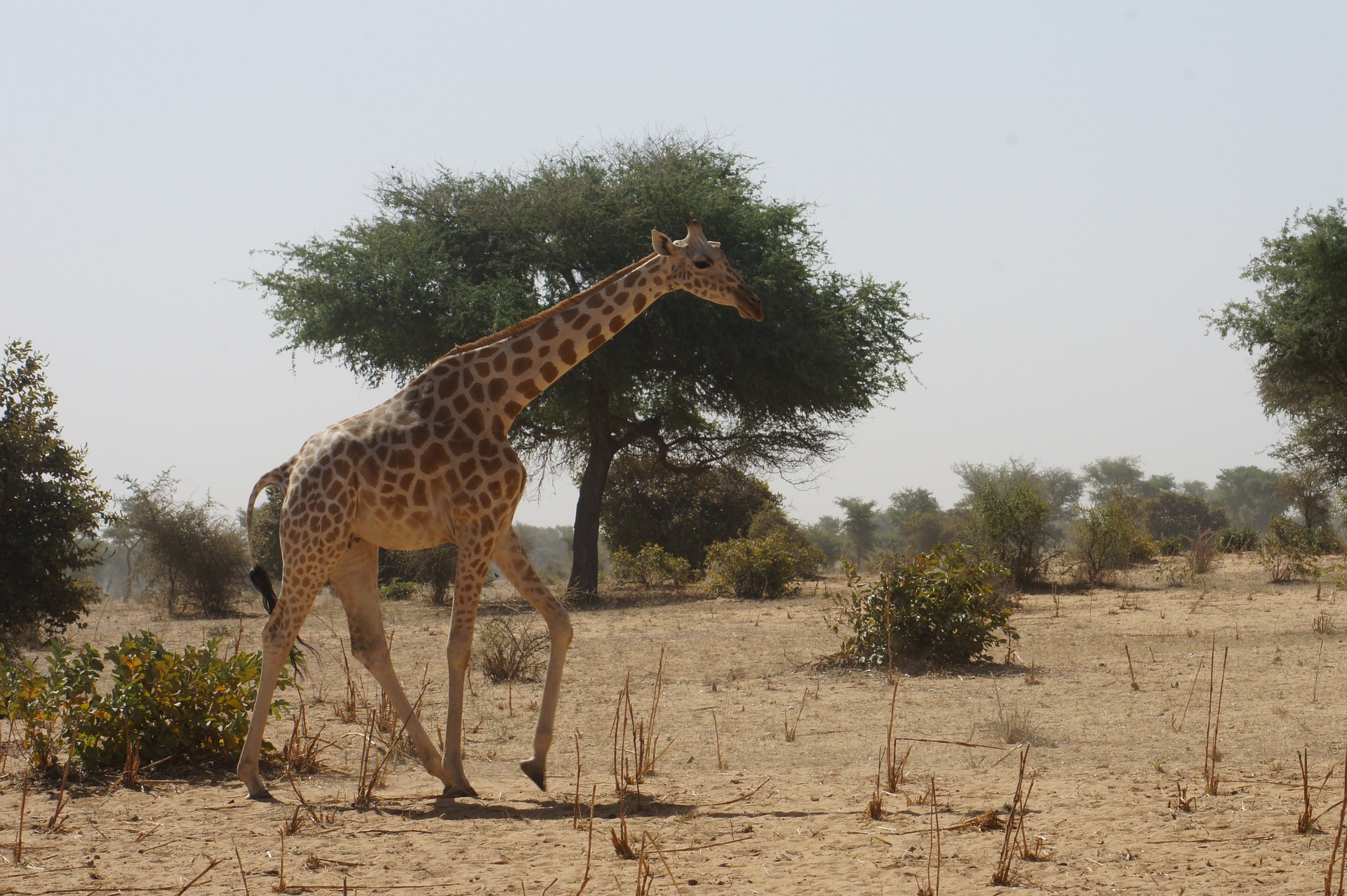
Niger is a large, dry, landlocked country in the Sahel, a former French colony and one of the poorest countries in the world. Niamey, the capital, lies on the River Niger. Agadez was a trading town on the trans-Saharan routes for more than five centuries and is the gateway to the Aïr Mountains; the Aïr and Ténéré reserve is a UNESCO World Heritage Site. Kouré is home to the last herd of giraffes in West Africa, and W National Park lies south of Niamey.
French is the official language, but few people speak it outside Niamey; local languages include Djerma (Zarma) and Hausa. Islam is practised by almost everyone, and visitors are traditionally welcomed with great hospitality.
- Agadez: A trans-Saharan trading town with a palace and several mosques, at the edge of the Aïr Mountains.
- Aïr and Ténéré: A desert nature reserve on the UNESCO World Heritage List.
- Kouré: Home to the last herd of giraffes in West Africa.
- W National Park: A national park reached most easily from Niamey.
- Zinder: The cultural capital, with craft markets, a regional museum and the sultan's palace.
- Ayorou: A riverside town with a Sunday market and pirogue trips to see hippos.
Places to visit
- City
- Town
- Park
- Area
Cities
- Niamey: The capital on the River Niger, and probably the least hectic capital in West Africa.
- Agadez: A trans-Saharan trading town for over five centuries, with a palace and mosques, and the gateway to the Aïr Mountains.
- Zinder: The cultural capital, known for pottery and tanning, a regional museum and the sultan's palace.
- Maradi: A farming centre, known for peanuts, with a chief's palace.
- Tahoua: A stop on the road to Agadez.
- Ayorou: A riverside town on the Niger, with one of the country's best markets on Sundays.
- Dosso: A town with a small museum, a market and a colourful chief's palace.
- Diffa: A Peul town among dunes and swamps, the gateway to the south-east and Lake Chad.
Beyond the cities
- W National Park (park): A national park reached most easily from Niamey; the UK lists the park among possible targets of attacks.
- Kouré (area): The area of the last herd of giraffes in West Africa.
- Balleyara (town): Two hours from Niamey, with one of West Africa's largest animal markets on Sundays.
- Aïr and Ténéré National Nature Reserve (park): A desert reserve on the UNESCO World Heritage List.
- Termit and Tin Toumma Reserve (park): A huge desert reserve protecting the addax, the dama gazelle and nomadic culture.
- Bilma (town): An oasis of about 4,000 people (2012) in the north-east.
Regions
- Northern Niger
- Southern Niger
- Southwestern Niger
Things to do
See
- Giraffes at Kouré Kouré: The last herd of giraffes in West Africa.
- Zinder's markets and palace Zinder: Craft markets, the regional museum and the sultan's palace.
- Agadez Agadez: The palace and mosques of an old trans-Saharan trading town.
Do
- Guérewol: The annual courtship ritual of the Wodaabe people.
Eat
- Kilishi: Beef jerky, plain, spiced with peanut or with hot pepper.
Drink
- Bisap: A dark red drink made from hibiscus, sold in the street.
Shop
- Ayorou Sunday market Ayorou: A relaxed riverside market, with pirogue trips to see hippos and islands.
- Balleyara animal market Balleyara: One of West Africa's largest animal markets, with crafts too, on Sundays.
- Leather and silver: Printed leather boxes, silver jewellery and hand-woven wedding blankets; bargaining is expected.
Climate and best time to visit
| Jan | Feb | Mar | Apr | May | Jun | Jul | Aug | Sep | Oct | Nov | Dec | |
|---|---|---|---|---|---|---|---|---|---|---|---|---|
| Max °C | 33 | 36 | 39 | 41 | 40 | 37 | 34 | 33 | 34 | 38 | 36 | 33 |
| Min °C | 16 | 19 | 23 | 27 | 28 | 26 | 24 | 23 | 24 | 24 | 20 | 17 |
| Rain mm | 0 | 0 | 4 | 6 | 35 | 69 | 154 | 171 | 92 | 10 | 1 | 0 |
Niger is very hot. In Niamey the average maximum is above 40 °C in April and May, and even the coolest month, January, averages about 32 °C by day and 16 °C at night. Almost all the rain falls in the rainy season from June to October, with about 150 to 170 mm in July and August, when torrential rain can cause floods and landslides. From November to February there is practically no rain.
November to February are dry, and December and January are the coolest months. From mid-December to March the River Niger is navigable between Niamey and Gaya. In the dry season, roughly December to June, the CDC recommends the meningitis vaccine for areas in the meningitis belt. Whenever you go, drink plenty of water: the dry heat dehydrates you quickly.
Holidays and events
- 1 January 2026 · New Year's Day
- 6 April 2026 · Easter Monday
- 24 April 2026 · Concord Day
- 1 May 2026 · Labour Day
- 3 August 2026 · Nigerien Independence Day
- 18 December 2026 · Nigerien Republic Day
- 25 December 2026 · Christmas Day
Getting around
| Main airports | NIM |
|---|---|
| International driving permit | Required |
Outside Niamey foreign nationals may travel only with the government's permission and an escort of Nigerien security forces, and the UK recommends staying within the city limits. Canada warns that tourists travelling at night have been attacked almost everywhere in the country, and off-road driving north of Agadez is dangerous because of landmines.
Avoid buses and taxis where you can: vehicles are in poor condition, and there have been hold-ups on buses between Tahoua and Agadez and between Agadez and Arlit, some of them deadly. Canada recommends hiring a driver. To drive yourself, UK citizens need the 1968 International Driving Permit, valid for 3 months. Roads outside the main routes are poor, driving standards are low, many vehicles have no lights at night, and the rainy season makes some roads impassable. Checkpoints are common: carry ID, and if asked to pay a fine on the spot, ask for a written fine instead. Domestic flights are limited.
Eat and drink
Dishes to try
- Millet porridge: The staple: a dense porridge with okra, pepper, tomato or squash sauce.
- Dumbou: Corn couscous with moringa leaves, black-eyed peas and sauce, found in Djerma regions.
- Kilishi: Beef jerky, plain, peanut-spiced or hot.
- Masa: Sourdough pancakes with a peanut, pepper and ginger spice mix.
- Brochettes: Grilled kebabs of beef, lamb or goat.
Drinks
- Bisap: A sweet hibiscus drink.
- Apollo: A thick drink made from baobab fruit.
- Degue: Sweet yoghurt with small millet balls.
- Bière Niger: The national beer.
Many specialities are sold as street food: buy it hot off the grill and avoid salads and raw vegetables. Drink only bottled or filtered water, or the sealed bags of "pure water" sold in most towns, and avoid ice. Homemade drinks are generally fine in the capital but not in rural areas. Niger is a Muslim country: if you drink alcohol, do it discreetly and never get drunk in public.
Entry requirements and visas
| Passport validity | Valid for the length of your stay (UK); at least 6 months beyond the date you leave (Canada) |
|---|
| Passport | Entry | Max stay | Notes |
|---|---|---|---|
| United Kingdom | Visa required | Apply in advance; the UK points to the Nigerien embassy in Geneva. | |
| Canada | Visa required | You must get the visa before you travel. | |
| United States | Visa required | Wikivoyage lists visas as required for all but some African nationals. | |
| Australia | Visa required | Wikivoyage lists visas as required for all but some African nationals. | |
| EU / EEA | Visa required | Wikivoyage lists visas as required for all but some African nationals. |
Other nationalities: check the official source below.
You need a visa, obtained before you travel, and a yellow fever vaccination certificate, which is required for everyone arriving. On arrival, foreign nationals have faced enhanced security checks, and in some cases passports have been held for several days. Staff and volunteers of non-governmental organisations must register with the authorities before starting work.
The UK and Canada advise against all travel to Niger, so think carefully before applying. Rules depend on your passport and can change: check with the Nigerien embassy before you book.
Money and payments
| Currency | West African CFA Franc (XOF) |
|---|---|
| Cards | Rare |
Niger is a cash economy. The currency is the West African CFA franc (XOF), fixed at 655.957 francs to the euro. Cards are rarely accepted, even in hotels and restaurants used by foreigners, and there are few ATMs; Wikivoyage notes that Ecobank ATMs take Visa and Mastercard. US dollars and other foreign currencies are not accepted in shops, only for exchange at a bank.
People leaving banks and ATMs, including westerners, have been attacked. Never use a street ATM at night, and use the ATMs inside large hotels where you can.
Health
| Required vaccines | Yellow fever, for all arriving travellers aged 9 months or more |
|---|---|
| Recommended vaccines | Routine vaccines, including measles (MMR), polio and diphtheria, Hepatitis A, Hepatitis B, Typhoid, for most travellers, Meningococcal (meningitis), in the dry season from about December to June, Rabies, for some travellers: rabid dogs are common and vaccine may be available only in larger towns, Cholera, for some travellers going to Tahoua or Zinder |
| Malaria | Widespread |
| Tap water | Not safe |
Malaria is present everywhere, and the CDC recommends antimalarial tablets for all travellers; also use strong repellent and sleep under a net. A yellow fever certificate is required to enter. Ask a travel health professional about vaccines and tablets at least a month before you go. Schistosomiasis is present in most lakes and rivers, so stay out of fresh water. The dry heat dehydrates you quickly: drink a lot of bottled or filtered water and replace lost salts.
Medical facilities are poor, even in Niamey, and serious cases need evacuation to Europe, so get insurance that covers it. Clinics often ask for a deposit before treatment. For an ambulance, call 15, but public emergency services can be slow; some private clinics have their own ambulances.
This is general information, not medical advice: check with a travel health professional before you go.
Safety
- United States: Level 4: Do Not Travel (2026-10-20)
- Canada: Avoid all travel (2026-10-20)
- United Kingdom: Advises against all travel (2026-10-20)
The UK and Canada advise against all travel to Niger and the US rates it Level 4. The UK says terrorists are very likely to try to carry out attacks, with a heightened risk in Niamey, and that the threat of kidnapping is very high across the whole country, including the capital, from both terrorist and criminal groups. Attacks are frequent, especially in the Tillabéri and Diffa regions and near the borders with Mali, Burkina Faso, Nigeria and Libya. Possible targets include hotels, markets, places of worship, transport hubs, national parks and places popular with foreigners.
If you are in Niger, the UK recommends staying within Niamey, where crime is also high. Muggings are common around the Gaweye Hotel, the National Museum and the Petit Marché; never cross the bridges over the River Niger on foot. Travel only in daylight, vary your routes and routines, and avoid crowds and demonstrations, which can turn violent quickly. Canada advises keeping supplies of water, food, medicine and cash, and having your own plan to leave the country: consular help is very limited, and the UK serves its citizens remotely from Lagos.
Customs and etiquette
Niger is a Muslim country, and Ramadan is strictly observed: during the day do not eat, drink, smoke or chew gum in public, and avoid loud music. Dress conservatively: no shorts, no skirts above the knee and no tank tops, even in Niamey; neat clothes earn more respect. Always ask before photographing people, especially camel drivers, market sellers and older people, and never photograph military or government sites.
Hospitality matters: accept the small gifts, drinks and tea you are offered, and return favours. Greet people in their language if you can, keep eye contact and do not raise your voice. Carry ID at all times. Same-sex relationships are illegal, with prison sentences of 5 to 10 years.
Language
| Official languages | French |
|---|---|
| English | Rare |
| Hello (Djerma) | Fofo |
|---|---|
| How are you? (Djerma) | Mate ni go? mah-tay nee go |
| Fine (Djerma) | Samay sawm-eye |
| I don't understand (Djerma) | Ay mana faham eye MAH fah-ham |
| Goodbye (Djerma) | Kala-tonton |
| Hello (Hausa) | Sannu |
| Thank you (Hausa) | Na go-day |
| Goodbye (Hausa) | Sai anjima |
| Peace be with you (greeting) | Salam-u-laikum |
| God willing | In-shah-allah |
What to pack
- Visa and yellow fever certificate: Both are required to enter.
- Passport or other ID, always with you: Checkpoints are common, especially outside the towns.
- Enough cash: Cards are rarely accepted and ATMs are few.
- Antimalarial tablets, strong repellent and a mosquito net: Malaria is present everywhere.
- Loose, conservative clothes, a wide hat and sunscreen: For the heat and for local dress codes.
- 1968 International Driving Permit: UK drivers need it; it is sold only in the UK.
- Insurance that covers medical evacuation: Serious cases need evacuation to Europe.
Quick reference
Country facts
| Capital | Niamey |
|---|---|
| Population | 27,917,831 (2025) |
| Area | 1,266,700 km² |
| Time zone | Africa/Niamey (UTC+1) |
| Calling code | +227 |
| Driving side | right |
Emergency numbers
| Police | 17 |
|---|---|
| Ambulance | 15 |
| Fire | 18 |
Frequently asked questions
Is it safe to travel to Niger?
The UK and Canada advise against all travel to Niger and the US rates it Level 4 (do not travel), because of terrorism, kidnapping and political instability. Read the official advice before making any plans.
Do I need a visa for Niger?
Yes. Get it before you travel from a Nigerien embassy, and check the rules there before you book.
Do I need a yellow fever vaccination for Niger?
Yes. A yellow fever certificate is required for all arriving travellers aged 9 months or more.
Can I use my bank card in Niger?
Rarely. Niger is a cash economy, cards are seldom accepted and ATMs are few.
When is the best time to visit Niger?
November to February, the dry months; December and January are the coolest. April and May are the hottest months, and the rains fall from June to October.
More Travel Stories from Africa
 Kenya
Sources This guide was last checked on · 18 sources
- Wikivoyage: Niger · Overview, Places to visit, Things to do, Climate and best time to visit, Getting around, Eat and drink, Entry requirements and visas, Money and payments, Health, Safety, Customs and etiquette, Language, What to pack, Frequently asked questions
- Wikidata: Niger · Overview, Places to visit, Money and payments, Country facts
- UK FCDO: Niger warnings and insurance (updated 29 August 2026) · Overview, Safety, Frequently asked questions
- Government of Canada: Niger travel advice (updated 15 October 2026) · Overview, Getting around, Entry requirements and visas, Health, Safety, Customs and etiquette, What to pack, Frequently asked questions
- US Department of State: Niger travel advisory · Overview, Safety
- UK FCDO: Niger safety and security (updated 29 August 2026) · Places to visit, Climate and best time to visit, Getting around, Eat and drink, Money and payments, Safety, Customs and etiquette, What to pack
- WMO World Weather Information Service: Niamey · Climate and best time to visit
- CDC Travelers' Health: Niger · Climate and best time to visit, Health, What to pack, Frequently asked questions
- Nager.Date: public holidays in Niger, 2026 · Holidays and events
- UK FCDO: Niger regional risks · Getting around, Safety
- UK FCDO: Niger entry requirements (updated 29 August 2026) · Entry requirements and visas, Money and payments, Health, What to pack, Frequently asked questions
- ISO 4217 (SIX), published 2026-09-17 · Money and payments
- UK FCDO: Niger health · Health
- UK FCDO: Niger travel advice · Safety
- World Bank, SP.POP.TOTL · Country facts
- World Bank, AG.LND.TOTL.K2 · Country facts
- IANA Time Zone Database, zone.tab · Country facts
- UK FCDO: Niger getting help · Emergency numbers
Suggest an update
Travel rules, prices and timetables change. If something in this guide is out of date, tell us: we check every suggestion against an official source before changing the page.