

- Local time
- 13:45
- Currency
- Burundian Franc (BIF)
- Capital
- Gitega
- Calling code
- +257
- Drive on the
- right
Overview
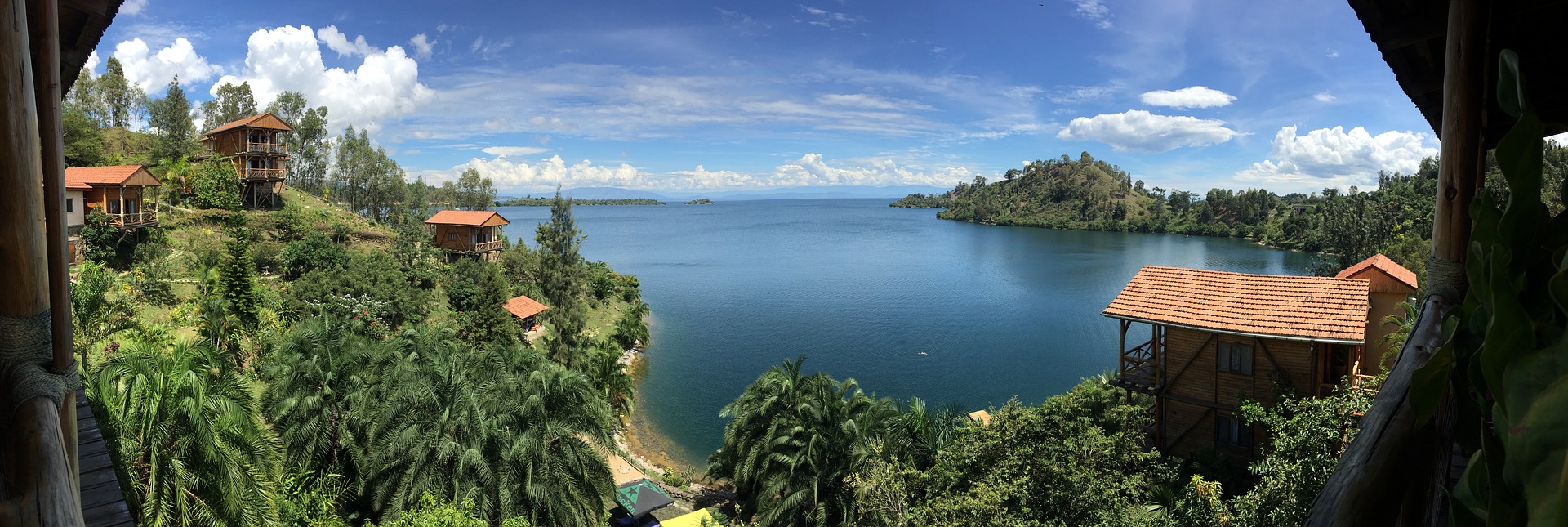
Lake Tanganyika, forest reserves, a source of the Nile and the drummers of Giheta, in a small East African country. Read the official advice first.
Burundi is a small, landlocked country between Rwanda, Tanzania and the Democratic Republic of the Congo, with much of its south-western border on Lake Tanganyika, one of the deepest lakes in the world. Bujumbura, the largest city, lies on the lake shore; Gitega, in the middle of the country, is the capital, with the National Museum and its royal collections. Visitors come for the forest reserves of Bururi and Vyanda, the second with chimpanzees, the birds of Lake Rwihinda, the buffaloes of Ruvubu National Park, the pyramid that marks a source of the Nile near Rutovu, and the traditional drummers of Giheta.
It is one of the poorest countries in the world, tourist services are limited outside the main cities, and fuel, water and power often run short. Canada advises against non-essential travel to Burundi, and the UK advises against all travel to areas near the border with the Democratic Republic of the Congo, including Rusizi National Park and the roads through Kibira National Park. Read the safety section before you plan anything.
- Lake Tanganyika: Beaches and lakeside villages south of Bujumbura; do not swim, because of wildlife and disease.
- Gitega: The capital, with a big central market and the National Museum's royal collections.
- Drummers of Giheta: Traditional drumming shows in their own setting, by advance booking.
- Source of the Nile: A pyramid at Rutovu marks the southernmost source of the Nile, at 2,000 m, near hot springs.
- Bururi Forest Nature Reserve: Mountain rainforest with about 117 bird species, visited with a guide.
- Lake Rwihinda: A reserve where thousands of migratory water birds breed, seen from a boat.
Places to visit
- City
- Park
Cities
- Bujumbura: The largest city and former capital, on the north-eastern shore of Lake Tanganyika, with the Musée Vivant.
- Gitega: The capital and second city, in the middle of the country, with a large market and the National Museum.
- Bururi: A southern town, the base for the Bururi forest reserve.
- Ngozi: A northern farming and trade town.
- Muyinga: A north-eastern town on the road to Ruvubu National Park.
Beyond the cities
- Bururi Forest Nature Reserve (park): 3,300 ha of mountain rainforest with about 117 bird and 25 mammal species.
- Vyanda Forest Nature Reserve (park): A forest reserve reached from Rumonge, known for chimpanzees that are not used to people.
- Ruvubu National Park (park): A park along the Ruvubu River with about 100 km of paths, buffaloes and a camp for visitors.
- Rwihinda Lake Nature Reserve (park): A lake in the north where thousands of migratory birds breed, among them crested cranes and herons.
Regions
- Bujumbura: The lake shore and the largest city; the UK advises against all travel to parts of the province near the border with the Democratic Republic of the Congo.
- Butanyerera: The north, with Kibira National Park; the UK advises against the roads that cross the park.
Things to do
See
- National Museum of Gitega Gitega: Royal objects, archaeology and old photographs of the kings and queens of the 19th century.
- Drummers of Giheta: Book in advance to watch the drummers play in their traditional setting.
- Musée Vivant Bujumbura: A reconstructed royal home, crafts in small huts, a bird house and a reptile centre, by the lake.
- The Belvedere Bujumbura: A hilltop viewpoint over the city, with the mausoleum of Prince Louis Rwagasore.
- Livingstone-Stanley Monument Bujumbura: A stone at Mugere, south of Bujumbura, where the two explorers stayed in November 1871.
- Source of the Nile at Rutovu: The pyramid at the southernmost source of the Nile, near hot springs.
- Karera Falls and the Nyakazu break: Waterfalls and a lookout over the Kumoso plain, on the way to Rutana.
Do
- Forest walks in Bururi Bururi: Pay the entry fee and hire a guide at the INECN office in Bururi before you go in.
- Chimpanzees in Vyanda: Arrange a visit at the INECN office in Rumonge; facilities are very basic.
- Birds of Lake Rwihinda: Drift on a boat among crested cranes, ducks and fish eagles.
Eat
- Brochettes and plantains: The national dish, beef skewers with grilled plantains, sold almost everywhere.
Shop
- Crafts Gitega: Carved wooden panels and painted landscapes by artists in Gitega and Bujumbura.
Climate and best time to visit
| Jan | Feb | Mar | Apr | May | Jun | Jul | Aug | Sep | Oct | Nov | Dec | |
|---|---|---|---|---|---|---|---|---|---|---|---|---|
| Max °C | 25 | 26 | 23 | 25 | 25 | 25 | 26 | 27 | 27 | 26 | 25 | 25 |
| Min °C | 14 | 14 | 14 | 14 | 14 | 12 | 11 | 12 | 13 | 13 | 14 | 14 |
| Rain mm | 158 | 147 | 164 | 169 | 76 | 6 | 4 | 9 | 53 | 100 | 149 | 145 |
Burundi has a tropical highland climate, and the temperature depends mainly on altitude: about 20 °C on average on the central plateau, 23 °C around Lake Tanganyika and Bujumbura, and 16 °C in the highest mountains. In Gitega the average maximum stays around 23-27 °C all year. The long dry season runs from June to August, with almost no rain; the long rains fall from February to May, and there are shorter wet and dry spells in between.
In the rainy season, flash floods and landslides can block roads and destroy bridges. In the long dry season, water shortages can occur, even in Bujumbura. June to August is the easier time to travel.
Holidays and events
- 1 January 2026 · New Year's Day
- 5 February 2026 · Unity Day
- 6 April 2026 · Ntaryamira Day
- 1 May 2026 · Labour Day
- 14 May 2026 · Ascension Day
- 8 June 2026 · National Patriotism Day
- 1 July 2026 · Independence Day
- 15 August 2026 · Assumption Day
- 13 October 2026 · Rwagasore Day
- 21 October 2026 · Ndadaye Day
- 1 November 2026 · All Saints' Day
- 25 December 2026 · Christmas Day
Getting there and around
| Main airports | BJM |
|---|---|
| International driving permit | Recommended |
Getting there
By air: Melchior Ndadaye International Airport in Bujumbura (BJM) is the only international airport, with flights from Nairobi (Kenya Airways), Kigali (RwandAir), Addis Ababa (Ethiopian), Brussels (Brussels Airlines), Entebbe (Uganda Airlines) and Dar es Salaam and Kigoma (Air Tanzania).
By land: the border with Rwanda has been closed since January 2024, and the border with the Democratic Republic of the Congo is unstable and can close without notice. The border with Tanzania is open: buses such as Luba Express run from Kigoma via the Manyovu crossing, though the fuel shortage can limit transport. Ferries on Lake Tanganyika do not run regularly.
Getting around
There are no railways and no scheduled domestic flights, so you travel by road. Only a few roads are paved, landslides often block them after heavy rain, and driving standards are very poor. Canada suggests hiring a car with a driver, and a 4x4 outside towns in the rainy season. Avoid road travel outside Bujumbura after dark; access to the city is controlled by police at night. Roadblocks are common and not always official: carry copies of your passport and visa. Severe fuel shortages mean you cannot count on finding fuel.
Canada advises against public transport, which is overcrowded and poorly maintained, and the UK warns that buses and motorbike taxis are often poorly maintained and badly driven. Canada also warns that taxi passengers are often robbed: book a taxi through your hotel and check the driver's identity. The UK accepts a UK photocard licence for 6 months, while Canada says you need an International Driving Permit. Drink-driving can lead to prison. For the Red Cross after an accident, dial 109.
Flying to Burundi? PartnerCompare fares and find the cheapest datesSearch flightsWhere to stay
- International hotels in Bujumbura: Aimed mainly at UN and international guests; Wikivoyage lists the Source du Nil, the Botanika and the Clos de Limbas.
- Budget hotels: A few cheap places in Bujumbura.
- Park camp: Ruvubu National Park has a camp for visitors.
Outside the main cities, accommodation is basic and tourist services are limited. Choose places with good security, use the hotel safe, and keep copies of your documents apart. Power cuts are frequent, especially outside Bujumbura, and most buildings have no generator.
Eat and drink
Dishes to try
- Brochettes and grilled plantains: The national dish: beef skewers with grilled cooking bananas.
- Fish from Lake Tanganyika: Fresh lake fish, a highlight of eating in Burundi.
- Sangala: Sangala fish, served with onions and stewed beef.
- Rice and beans: A traditional staple.
- Samosas and skewers: Common light meals.
Drinks
- Primus: Local beer in big 72 cl bottles.
- Amstel: Also brewed locally.
Besides local food, you will find curries from the South Asian community and French-style dishes. Bananas and fresh fruit are common snacks. Be careful with food from street kiosks, and do not drink unboiled water. If you are invited to a home, accept the snacks and drinks you are offered.
Entry requirements and visas
| Passport validity | UK: at least 6 months after the date you arrive. Canada: at least 6 months beyond the date you leave. At least one blank page |
|---|
| Passport | Entry | Max stay | Notes |
|---|---|---|---|
| United Kingdom | Visa on arrival | Complete the online application before you travel to get a validation certificate; the visa is issued at Bujumbura airport. | |
| Canada | Visa on arrival | Get a visa from the embassy in Ottawa, or apply online for a visa certificate and receive the visa at Bujumbura airport. |
Other nationalities: check the official source below.
British and Canadian visitors need a visa. Apply online first: you receive a certificate, and the visa is then issued when you land at Bujumbura airport. A one-month visa costs USD 90, payable online or in cash on arrival; Wikivoyage lists USD 180 for two months and USD 270 for three. You may be asked for a return or onward ticket.
You need a yellow fever certificate to enter (from 9 months of age). Declare anything that may be prohibited or subject to duty. Because of the Ebola outbreak in the Democratic Republic of the Congo, expect health checks at borders in the region. Rules depend on your passport and can change: check with the Burundi embassy before you book.
Money and payments
| Currency | Burundian Franc (BIF) |
|---|---|
| Cards | Limited |
Burundi is largely a cash society, and foreign currency is in short supply. Bring US dollars printed after 2006 and in perfect condition: older or slightly torn notes are refused. Euros and British pounds can usually be exchanged too. Large hotels and shops may take cards, euros or dollars, but confirm when you book; elsewhere cards are rarely accepted. ATMs that take Visa and Mastercard, at banks such as Ecobank, DTB, CRDB and KCB, are found mainly in Bujumbura and Gitega, but do not rely on them. Mobile money often works in tourist hotels.
There is an unofficial exchange rate that can be very different from the official one. Take care when you withdraw or exchange money, and never do it at night.
Costs and budget
- Tourist visa, one month: USD 90
- Bururi forest reserve, entry and guide: FBu 5,000 + 5,000
- Vyanda chimpanzee visit, entry and guide: FBu 10,000
- Primus beer, 72 cl: USD 1-2
- Taxi, Bujumbura-Gitega and back: about USD 50
- Transport Rumonge-Vyanda reserve and back: about FBu 15,000
- Budget hotel in Bujumbura, per night: from about USD 9
- International hotel in Bujumbura, per night: USD 70-120
Many prices are given in US dollars, and you pay in cash. Park fees are low, but transport adds up: the return trip from Rumonge to the Vyanda reserve costs more than the visit itself. The prices here are those listed on Wikivoyage when we read it in October 2026, except the visa fee, from the UK government; they can change.
Health
| Required vaccines | Yellow fever certificate, for all arriving travellers aged 9 months or older |
|---|---|
| Recommended vaccines | Routine vaccines, including measles (MMR), Yellow fever, Hepatitis A, Hepatitis B, Typhoid, Cholera, for some travellers: ask a travel clinic, Rabies, for some travellers: ask a travel clinic |
| Malaria | Widespread |
| Tap water | Not safe |
Malaria is present in the whole country, and the CDC recommends prescription medicine to prevent it; mosquitoes also spread dengue and Zika. Cholera is circulating, mainly around Bujumbura and in Burunga, so eat and drink carefully and do not drink unboiled water. Dogs with rabies are common. Do not swim in Lake Tanganyika, because of wildlife and waterborne diseases. Altitude sickness is a risk in parts of the country.
In Bujumbura three hospitals treat serious injuries: Kira Hospital, the Hôpital Militaire de Kamenge and the MSF unit at the Prince Régent Charles Hospital. Elsewhere care is inadequate, and you may need evacuation to Kenya or Rwanda. Hospitals usually want a cash deposit, and some medicines are not available, so bring enough of your own. For emergencies dial 112, or 109 for the Red Cross.
This is general information, not medical advice: check with a travel health professional before you go.
Safety
- United States: Level 3: Reconsider Travel (2026-10-20)
- Canada: Avoid non-essential travel (2026-10-20)
- United Kingdom: Advises against all travel to parts of the country (2026-10-20)
Canada advises against non-essential travel to Burundi and against all travel to Cibitoke and Bubanza provinces and to the RN5 highway and the area west of it in Bujumbura Rural. The UK advises against all travel to the communes of Mugina, Cibitoke, Bukinyayana, Bubanza and Mpanda, to the RN5 north of Bujumbura airport towards Cibitoke, to the area west of the Rusizi river including Rusizi National Park, and to the RN6 and RN10 roads through Kibira National Park. Both point to armed groups and possible incursions from the Democratic Republic of the Congo, and Canada notes a high risk of kidnapping in Bubanza, Cibitoke and Bujumbura Mairie.
Crime is high: muggings at gun or knifepoint, bag snatching, burglary and armed carjacking. Do not walk or use public transport after dark, even in central Bujumbura, carry little money and keep car doors locked. Grenade attacks have hit crowded places, including the bus station by the former central market in Bujumbura: avoid crowds and demonstrations. Sexual assault is frequent, and sexual harassment can happen anywhere. Security forces can search vehicles and homes, and you must show ID when asked.
Customs and etiquette
Burundian society is hierarchical: treat older people and anyone in authority with great respect, and never challenge them openly. Family matters a great deal, so avoid comments about anyone's relatives. If you are invited into a home you may be offered plenty of snacks and drinks: refusing is rude.
Do not photograph ports, military sites, government buildings or people in uniform, and ask before you photograph anyone. Same-sex sexual acts are illegal, with prison sentences of up to 2 years, and public displays of affection draw negative attention. Drug penalties are severe, and baggage is scanned even in transit: pack your own bags and never carry anything for someone else.
Language
| English | Limited |
|---|
| Hello (Kirundi) | Muraho mu-r-ahoh |
|---|---|
| How are you? (Kirundi) | Amakuru? ama-ku-ruh |
| Thank you (Kirundi) | Murakoze mu-ra-kozeh |
| Yes / No (Kirundi) | Ego / Oya ei-goh / o-yah |
| Goodbye (Kirundi) | Musigare moo-see-gareh |
| Hello (French) | Bonjour bawn-ZHOOR |
| Please (French) | S'il vous plaît seel voo PLEH |
| Thank you (French) | Merci merr-SEE |
| Do you speak English? (French) | Parlez-vous anglais ? par-lay VOO ahng-LEH |
What to pack
- Visa certificate and passport: You need the online certificate to get your visa at the airport.
- Yellow fever certificate: Required for everyone aged 9 months or older.
- Copies of your passport and visa: Roadblocks and ID checks are common.
- US dollars printed after 2006, in perfect condition: Older or torn notes are refused, and cards rarely work.
- Antimalarial medicine and repellent: Malaria is present in the whole country.
- Your own medicines: Some prescription medicines are not available.
- Water, food and an emergency kit: Power, water and fuel shortages are common.
Quick reference
Country facts
| Capital | Gitega |
|---|---|
| Population | 14,390,003 (2025) |
| Area | 25,680 km² |
| Time zone | Africa/Bujumbura (UTC+2) |
| Calling code | +257 |
| Driving side | right |
Staying connected
| SIM and eSIM | The phone network is not always reliable, especially outside Bujumbura and in remote areas, and power cuts can also interrupt it. Carry a reliable means of communication when you leave the cities. |
|---|
Emergency numbers
| Emergency | 112 |
|---|---|
| Police | 112 (UK) or 113 (Canada) |
Frequently asked questions
Is it safe to travel to Burundi?
Canada advises against non-essential travel to Burundi, and the UK advises against all travel to areas near the border with the Democratic Republic of the Congo. Read the safety section and the official links before you decide.
Do I need a visa for Burundi?
Yes. Apply online for a certificate before you travel, and the visa is issued at Bujumbura airport; one month cost USD 90 in 2026.
Can I use cards in Burundi?
Only in some large hotels and shops. Bring US dollars in clean, recent notes.
Can I drink the tap water in Burundi?
No. Drink bottled or boiled water.
What language is spoken in Burundi?
Kirundi is the local language. French gets you by in towns, and English is increasingly used; Swahili helps too.
More Travel Stories from Africa
 Morocco
 Cabo Verde +1
 Colombia +1
Sources This guide was last checked on · 20 sources
- Wikivoyage: Burundi · Overview, Places to visit, Things to do, Climate and best time to visit, Getting there and around, Where to stay, Eat and drink, Entry requirements and visas, Money and payments, Costs and budget, Health, Customs and etiquette, Language, What to pack, Frequently asked questions
- Wikidata: Burundi · Overview, Places to visit, Money and payments, Country facts
- UK FCDO: Burundi warnings and insurance · Overview, Getting there and around, Safety, Frequently asked questions
- Government of Canada: Burundi travel advice (updated 25 August 2026) · Overview, Things to do, Climate and best time to visit, Getting there and around, Where to stay, Entry requirements and visas, Money and payments, Health, Safety, Customs and etiquette, What to pack, Staying connected, Emergency numbers, Frequently asked questions
- UK FCDO: Burundi safety and security · Things to do, Climate and best time to visit, Getting there and around, Where to stay, Money and payments, Safety, Customs and etiquette, What to pack
- WMO World Weather Information Service: Gitega · Climate and best time to visit
- Nager.Date: public holidays in Burundi, 2026 · Holidays and events
- UK FCDO: Burundi entry requirements · Entry requirements and visas, Costs and budget, What to pack, Frequently asked questions
- CDC Travelers' Health: Burundi · Entry requirements and visas, Health, What to pack, Frequently asked questions
- ISO 4217 (SIX), published 2026-09-17 · Money and payments
- UK FCDO: Burundi health · Health
- UK FCDO: Burundi getting help · Health, Emergency numbers
- US Department of State: Burundi travel advisory · Safety
- UK FCDO: Burundi travel advice · Safety
- UK FCDO: Burundi regional risks · Safety
- Wikivoyage: Kirundi phrasebook · Language
- Wikivoyage: French phrasebook · Language
- World Bank, SP.POP.TOTL · Country facts
- World Bank, AG.LND.TOTL.K2 · Country facts
- IANA Time Zone Database, zone.tab · Country facts
Suggest an update
Travel rules, prices and timetables change. If something in this guide is out of date, tell us: we check every suggestion against an official source before changing the page.