

- Local time
- 03:08
- Currency
- Mauritian Rupee (MUR)
- Capital
- Port Louis
- Calling code
- +230
- Drive on the
- left
Overview
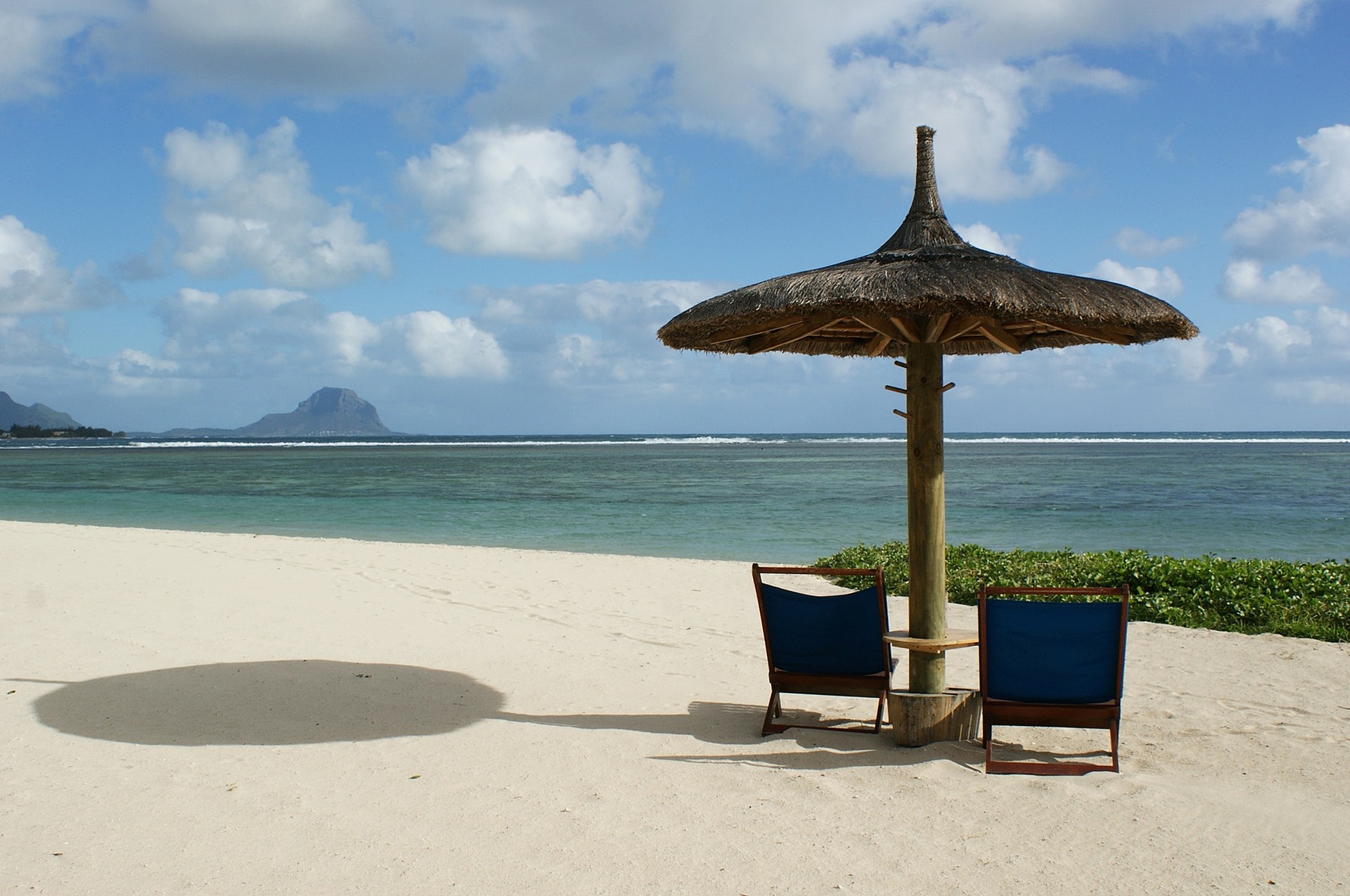
Mauritius suits beach lovers: reef lagoons for diving and water sports, hikes in the Black River Gorges, and food with Indian, French and Chinese roots.
Mauritius is an island nation in the Indian Ocean, about 2,300 km from the African mainland. Besides the main island it includes Rodrigues, 500 km to the east, and the small outer islands of Agaléga. A barrier coral reef almost completely surrounds the main island, and its lagoons, sheltered from the open sea, suit swimming, snorkelling and water sports. Inland, the Black River Gorges National Park protects what remains of the native forest.
The island had no native people. The Dutch named it after Maurice of Nassau, the French founded Port Louis, and the British ruled from 1810 until independence on 12 March 1968. After slavery ended in 1835, labourers came from India to work the sugar cane, and today Mauritius is the only country outside South Asia with a Hindu majority. You taste this mix in the food, which draws on Indian, French, Chinese and East African cooking.
English is the official language, but French and Mauritian Creole are what you hear most; people in tourism speak English. Canada asks you to take normal security precautions. The cyclone season runs from November to May.
- Le Morne: A peninsula and mountain in the south-west, a UNESCO World Heritage Site.
- Black River Gorges National Park: Native forest, endemic plants and rare birds, with trails to the highest peak.
- Ile aux Cerfs: A tiny island off the east coast with a beach and water sports, reached by boat.
- Seven Coloured Earths of Chamarel: Rolling ground in shades of red, blue, green and yellow, next to the Chamarel waterfall.
- Pamplemousses botanical garden: A garden founded in 1770, with plants found only in Mauritius and giant tortoises.
- Blue Bay: Clear water and white sand, with a marine park for snorkelling and glass-bottom boats.
Places to visit
- City
- Coast
- Island
- Park
- Historic site
- District
Cities
- Port Louis: The capital, with the harbour, the Caudan Waterfront and the Central Market.
- Beau Bassin-Rose Hill: The second biggest town, on the light rail line to Curepipe.
- Curepipe: The largest town of the cooler central highlands and the end of the light rail line.
- Grand Baie: The north's centre for shopping, nightlife and water sports, next to Péreybère beach.
- Flic en Flac: A fishing village grown into a resort, with a long west coast beach and diving close by.
- Tamarin: A west coast bay with surf, a resident dolphin pod and salt pans.
- Mahébourg: A fishing town on Grand Port Bay, founded in 1804, with a big Monday market.
- Trou d'Eau Douce: An east coast village with seafood restaurants and boats to Ile aux Cerfs.
- Souillac: A small resort on the rugged south coast, near the Gris Gris viewpoint.
Beyond the cities
- Black River Gorges National Park (park): A national park created in 1994 to protect the island's remaining native forest.
- Le Morne Brabant (site): A peninsula and mountain in the south-west, listed by UNESCO as a cultural landscape.
- Seven Coloured Earths (site): Bands of coloured volcanic soil at Chamarel, reached by a winding road.
- Ile aux Cerfs (island): An island off the east coast with beaches, water sports and a golf course.
- Ile aux Aigrettes (island): A nature reserve off Mahébourg with the Mauritius kestrel, the pink pigeon and giant tortoises.
- Blue Bay (coast): A white sand beach in the south-east, partly a marine park; busy with locals at weekends.
- Ganga Talao (site): A crater lake and Hindu pilgrimage site, also called Grand Bassin.
- Pamplemousses (district): Home of the SSR botanical garden, founded in 1770.
- Rodrigues (island): A small volcanic island about 500 km east, for walking, diving and kitesurfing.
Regions
- Port Louis District
- Pamplemousses
- Rivière du Rempart
- Flacq
- Grand Port
- Savanne
- Black River
- Plaines Wilhems
- Moka District
- Rodrigues
Things to do
See
- Ile aux Aigrettes Mahébourg: A protected island with some of the rarest birds in the world, including the Mauritius kestrel and the pink pigeon.
- Seven Coloured Earths and the Chamarel waterfall: Coloured volcanic soils and a waterfall rising from the moors, reached by a winding road from Case Noyale.
- Horse racing at the Champ de Mars Port Louis: A racing club founded in 1812; the season runs from April to late November and race days draw about 30,000 people.
Do
- Boat trip to Ile aux Cerfs Trou d'Eau Douce: Catamarans and speedboats leave regularly; some include a seafood barbecue and a stop at the Grand River South East waterfall. Bring food and drink if you are on a budget.
- Diving on the west coast Flic en Flac: Reefs, wrecks and sites such as the Cathedral, a few minutes from the beach. Visibility is best from November to April.
- Dolphin watching Tamarin: Boat trips from two hours to a full day to see bottlenose and spinner dolphins resting off the west coast. Check that the operator holds a Ministry of Tourism permit.
- Hiking in the Black River Gorges Black River Gorges National Park: The Black River Peak trail climbs to the highest mountain, and the Macchabée trail drops into the gorge.
- Le Pouce Port Louis: An easy two-hour climb from Petit Verger to an 812 m summit with views over Port Louis and the north.
Eat
- Dholl puri: Originally an Indian dish, now as everyday for Mauritians as fish and chips are for the British.
Drink
- Local rum: Cane rum, often mixed with coconut water, lime and ice.
Itineraries
The north and west coasts in 7 days (7 days)
- Grand Baie (3 nights): Beaches, water sports and the Pamplemousses garden; about 25 minutes from Port Louis.
- Flic en Flac (4 nights): Diving, dolphins off Tamarin and the Seven Coloured Earths of Chamarel; about 30 minutes from Port Louis.
Port Louis and the east in 5 days (5 days)
- Port Louis (2 nights): The Central Market, the Caudan Waterfront and the climb up Le Pouce.
- Trou d'Eau Douce (3 nights): Seafood and a day on Ile aux Cerfs.
The south-east in 4 days (4 days)
- Mahébourg (2 nights): The Monday market and Ile aux Aigrettes; about 55 minutes from Port Louis.
- Blue Bay (2 nights): Snorkelling in the marine park; go on a weekday, as weekends are busy.
Climate and best time to visit
| Jan | Feb | Mar | Apr | May | Jun | Jul | Aug | Sep | Oct | Nov | Dec | |
|---|---|---|---|---|---|---|---|---|---|---|---|---|
| Max °C | 32 | 31 | 32 | 31 | 29 | 28 | 27 | 27 | 28 | 29 | 30 | 31 |
| Min °C | 24 | 24 | 24 | 23 | 22 | 20 | 19 | 19 | 19 | 20 | 22 | 23 |
| Rain mm | 131 | 160 | 83 | 87 | 48 | 24 | 18 | 19 | 17 | 15 | 24 | 85 |
Mauritius has two seasons. Summer, from November to April or May, is hot, humid and wet; winter, from May to November, is warm and dry. In Port Louis average highs go from about 27 °C in July and August to 31.5 °C in January and March, and nights stay above 19 °C all year. Most rain falls from December to April, between about 83 and 160 mm a month, with February the wettest; from June to November each month gets 15 to 24 mm, and October is the driest.
The dry winter months, June to October, are the most comfortable time, outside the cyclone season, which runs from November to May. The west coast is the hottest and driest side, the east coast the windiest and wettest, and the central plateau is cooler than the coast.
Getting there and around
| Main airports | MRU |
|---|
Getting there
By air: Sir Seewoosagur Ramgoolam International Airport (MRU), at Plaisance in the south-east, is the gateway. Air Mauritius flies to Africa, Europe, Asia and Australia; regional airlines such as Air Austral, Air Seychelles, Kenya Airways and FlySafair link the island with Africa and its neighbours, and airlines including Air France, British Airways, Emirates and Turkish Airlines fly in from their hubs. The arrivals hall gets crowded in the morning, when most flights from Europe land, and immigration can be slow.
By sea: the Mauritius Pride and Mauritius Trochetia, which carry both passengers and containers, sail to Réunion, Rodrigues and Madagascar.
Getting around
Light rail: the Metro Express runs every 10 minutes from 6:00 to 19:00 between Port Louis and Curepipe, via Rose Hill, Quatre Bornes and Vacoas-Phoenix, in about 40 minutes. Buses cover the whole island and are the cheapest way to travel: a conductor sells tickets on board, so carry exact change. Most taxis have no meters: use registered taxis and agree the fare before you get in. Ride-hailing apps also work.
Driving is on the left, with one motorway from north to south and a network of narrow paved roads. Rent from licensed firms, whose cars have yellow plates. Speed limits are 110 km/h on the motorway and 50 km/h in towns, seatbelts are compulsory and drink-driving is a serious offence: the UK says penalties apply even at a quarter of England's legal limit, and Canada describes a zero-tolerance policy. Wikivoyage says a licence in English or French is accepted; otherwise you may need a translation such as an international driving permit. The UK says you can use a UK photocard licence, and that hire companies often have stricter requirements, such as a year of driving experience, a higher minimum age and an international driving permit. Canada says a valid Canadian licence works for up to four weeks. Accidents are common: watch for pedestrians and unlit motorbikes at night. Carry yellow chalk, which you should use to mark your car's position on the road after an accident before moving it.
Air Mauritius flies daily to Rodrigues in about 1 hour 15 minutes. From Port Louis it takes about 25 minutes by road to Grand Baie, 30 to Curepipe or Flic en Flac and 55 to Mahébourg.
Flying to Mauritius? PartnerCompare fares and find the cheapest datesSearch flightsWhere to stay
- Beach resorts: International chains and luxury hotels owned by Mauritian companies.
- Self-catering bungalows and apartments: Many right on the beach.
The UK and Canada advise staying only in accommodation registered with the Mauritius Tourism Authority, with good security. Keep your passport in the hotel safe: thefts from hotel rooms and villas happen. All beaches in Mauritius are public, including those in front of the resorts.
Eat and drink
Dishes to try
- Dholl puri: Of Indian origin, it has become the Mauritian equivalent of fish and chips.
- Curry with rice or farata: Curries, dal and pickles, eaten with rice or a flatbread called farata.
- Rougaille: A tomato and onion stew with meat or seafood, eaten almost daily; corned beef and salted fish versions are local favourites.
- Biryani: Spiced rice with meat and potatoes, made by the Muslim community.
- Gateaux piments: Chilli cakes, a version of the Indian vadai, sold on the street alongside samosas and octopus curry in bread.
Drinks
- Rum: Cane rum, cheap, drunk with cola or with coconut water and lime.
- Phoenix: The local beer, served very cold; Black Eagle and Flying Dodo are other local brews.
Mauritian cooking mixes French, Indian, Chinese and East African traditions, and even restaurants that advertise one cuisine blend in local touches. Mauritians love sweets: look for French-style cakes and Indian sweets such as gulab jamun. Do not drink alcohol or eat peanuts when you eat reef fish such as snapper, grouper or mullet, and never eat their guts: reef fish can carry a toxin from algae.
Entry requirements and visas
| Passport validity | Valid for your whole stay with one blank page (UK); Canada asks for 6 months beyond the date you leave |
|---|
| Passport | Entry | Max stay | Notes |
|---|---|---|---|
| United Kingdom | Visa free | 60 days | Show proof of onward or return travel; the border officer stamps the end date of your stay in your passport. |
| Canada | Visa free | 60 days | Extensions are possible. A premium tourist visa for 6 months must be obtained before arrival. |
Other nationalities: check the official source below.
UK and Canadian citizens can stay up to 60 days without a visa, with a return or onward ticket. Fill in the Mauritius All in One travel form online before you arrive and print the copy with the QR code; otherwise you fill in a paper card at the airport. No yellow fever certificate is needed.
If you arrive from a country where malaria is common, officials may ask for a blood sample, at the airport or later in your stay. Visitors who have been in the Democratic Republic of the Congo or South Sudan in the previous 21 days cannot enter unless they hold a work, residence or occupation permit or a business or student visa. Cigarette papers are illegal, and strong painkillers and some other medicines need prior authorisation. Rules depend on your passport and can change: check the official link or the Mauritius High Commission before you book.
Money and payments
| Currency | Mauritian Rupee (MUR) |
|---|
The currency is the Mauritian rupee (MUR), written Rs. Notes go from Rs 25 to Rs 2,000. Canada says theft is frequent at or near street ATMs, so be extra cautious when you withdraw cash. Many shops do not lower their prices, and even at markets expect no more than 10 to 20% off; clothes made for big brands are a good buy.
Health
| Recommended vaccines | Routine vaccines, including measles (MMR), Hepatitis A, Hepatitis B, Typhoid, for most travellers, Mpox, for travellers at risk of sexual exposure |
|---|---|
| Malaria | None |
| Tap water | Varies |
No vaccinations are required to enter Mauritius. The WHO certified Mauritius malaria-free in 1973, and the CDC does not list malaria or recommend the yellow fever vaccine. Dengue and chikungunya are present, so protect yourself from mosquitoes day and night, also on the beach. Schistosomiasis is a risk in fresh water. Stonefish stings are rare but can kill: get help at once, as many hotels keep antivenom. Wear water shoes against sea urchins. See a travel health professional before you go.
Wikivoyage says tap water is generally drinkable and most Mauritians drink it, but advises bottled water for visitors who are not used to it. Good private healthcare is available but expensive and usually paid up front; complex cases may be evacuated to Réunion or South Africa. For an ambulance call 999 or 114, or go straight to hospital if you can. Bring a copy of the prescription for any medicine you carry.
This is general information, not medical advice: check with a travel health professional before you go.
Safety
- United States: Level 2: Exercise Increased Caution (2026-10-20)
- Canada: Take normal security precautions (2026-10-20)
- United Kingdom: No advice against travel (2026-10-20)
Canada asks you to take normal security precautions, the US rates Mauritius Level 2 and the UK does not advise against travel. Most crime is petty: bag snatching, pickpocketing and thefts from hotel rooms and villas, more often in Port Louis, Grand Baie and Flic en Flac, especially at night. Sexual assaults on tourists have been reported. Do not walk alone at night on beaches or in poorly lit streets, especially the backstreets of the Port Louis business district, and avoid doing business with street and beach vendors.
Demonstrations can close roads, and in October 2026 the authorities imposed evening curfews for several days. Canada warns that curfews can be imposed at short notice: avoid demonstrations, follow local instructions and allow for delays.
At sea, use water sports operators with a Ministry of Tourism permit and enough life jackets, respect warning flags and watch for riptides. During a cyclone, from November to May, you are not allowed to leave your accommodation and car insurance often stops covering you. Heavy rain can cause landslides. For the tourist police, call 999.
Customs and etiquette
Mauritians have Indian, Creole, Chinese and French roots, and most are Hindu. At Ganga Talao, a crater lake, many Hindus walk to the shore for the Maha Shivaratri festival and feed the giant eels. Bargaining is limited: many shops do not lower their prices. Canada says public displays of affection, including holding hands and kissing, are not socially accepted and revealing clothing is considered inappropriate.
Drug laws are very strict, cannabis included, with sentences of up to 25 years, and owning cigarette papers or rolling machines is illegal. Canada says possession and importation of obscene literature and pornographic material is prohibited. Pack your own luggage. If you are under police investigation you are provisionally charged and not allowed to leave the country without consent from a judge, and it can take up to 2 years for the authorities to decide whether to issue a formal charge. Police may ask to see your ID: Canada says to carry valid identification or a photocopy of it at all times.
The UK says same-sex relations were decriminalised in October 2023, but society is fairly conservative and discrimination happens; Canada still says Mauritian law prohibits some sexual acts between individuals, with up to 5 years in prison, and advises LGBT+ travellers to consider the risks carefully.
Language
| Official languages | English |
|---|---|
| English | Common |
What to pack
- Printed All in One travel form with its QR code: You show it to officials on arrival.
- Proof of your onward or return flight: An entry requirement for visa-free visitors.
- Copies of your prescriptions: Required for the medicines you bring; strong painkillers need prior authorisation.
- Water shoes: Against sea urchins, stonefish and broken glass in shallow water.
- Insect repellent: Dengue and chikungunya are carried by mosquitoes, also in the daytime.
- Yellow chalk, if you drive: The law expects you to mark your car's position after an accident.
Quick reference
Country facts
| Capital | Port Louis |
|---|---|
| Population | 1,243,741 (2025) |
| Area | 2,000 km² |
| Time zone | Indian/Mauritius (UTC+4) |
| Calling code | +230 |
| Driving side | left |
Staying connected
| SIM and eSIM | Emtel and My.t sell SIM cards and eSIMs at the airport; you need your passport. |
|---|---|
| Wi-Fi | Demonstrations can disrupt telecommunications and internet access, says Canada. |
Emergency numbers
| Police | 999 or 112 |
|---|---|
| Ambulance | 999 or 114 |
| Fire | 115, or 999 (UK) or 995 (Canada) |
Frequently asked questions
Do I need a visa for Mauritius?
Not for UK and Canadian citizens staying up to 60 days. Fill in the All in One travel form before you arrive and carry a return ticket. Check the official link or the High Commission before you book.
Is there malaria in Mauritius?
No. The WHO certified Mauritius malaria-free in 1973, and the CDC does not list it. Dengue and chikungunya are present, so use insect repellent.
Can I drink the tap water in Mauritius?
Wikivoyage says it is generally drinkable and most locals drink it, but advises bottled water if you are not used to it.
When is the best time to visit Mauritius?
June to October is dry, warm and outside the cyclone season; diving visibility is best from November to April.
Which side of the road do they drive on in Mauritius?
On the left. A licence in English or French is accepted, and you should carry yellow chalk to mark your car's position after an accident.
Are the beaches in Mauritius public?
Yes, all beaches are public, even those in front of resorts.
More Travel Stories from Africa
 Morocco
 Cabo Verde +1
 Colombia +1
Sources This guide was last checked on · 16 sources
- Wikivoyage: Mauritius · Overview, Places to visit, Things to do, Itineraries, Climate and best time to visit, Getting there and around, Where to stay, Eat and drink, Money and payments, Health, Safety, Customs and etiquette, Language, What to pack, Staying connected, Frequently asked questions
- Wikidata: Mauritius · Overview, Places to visit, Money and payments, Country facts
- Government of Canada: Mauritius travel advice (updated 19 October 2026) · Overview, Climate and best time to visit, Getting there and around, Where to stay, Entry requirements and visas, Money and payments, Health, Safety, Customs and etiquette, What to pack, Staying connected, Emergency numbers, Frequently asked questions
- UK FCDO: Mauritius safety and security (updated 19 October 2026) · Things to do, Climate and best time to visit, Getting there and around, Where to stay, Safety, Customs and etiquette, What to pack, Frequently asked questions
- WMO World Weather Information Service: Port Louis · Climate and best time to visit
- UK FCDO: Mauritius entry requirements (updated 19 October 2026) · Entry requirements and visas, What to pack, Frequently asked questions
- CDC Travelers' Health: Mauritius · Entry requirements and visas, Health, Frequently asked questions
- ISO 4217 (SIX), published 2026-09-17 · Money and payments
- UK FCDO: Mauritius health (updated 19 October 2026) · Health, What to pack
- UK FCDO: Mauritius getting help (updated 19 October 2026) · Health, Emergency numbers
- WHO: Countries and territories certified malaria-free · Health
- US Department of State: Mauritius travel advisory · Safety
- UK FCDO: Mauritius travel advice · Safety
- World Bank, SP.POP.TOTL · Country facts
- World Bank, AG.LND.TOTL.K2 · Country facts
- IANA Time Zone Database, zone.tab · Country facts
Suggest an update
Travel rules, prices and timetables change. If something in this guide is out of date, tell us: we check every suggestion against an official source before changing the page.