

- Local time
- 20:05
- Currency
- Mozambican Metical (MZN)
- Capital
- Maputo
- Calling code
- +258
- Drive on the
- left
Overview
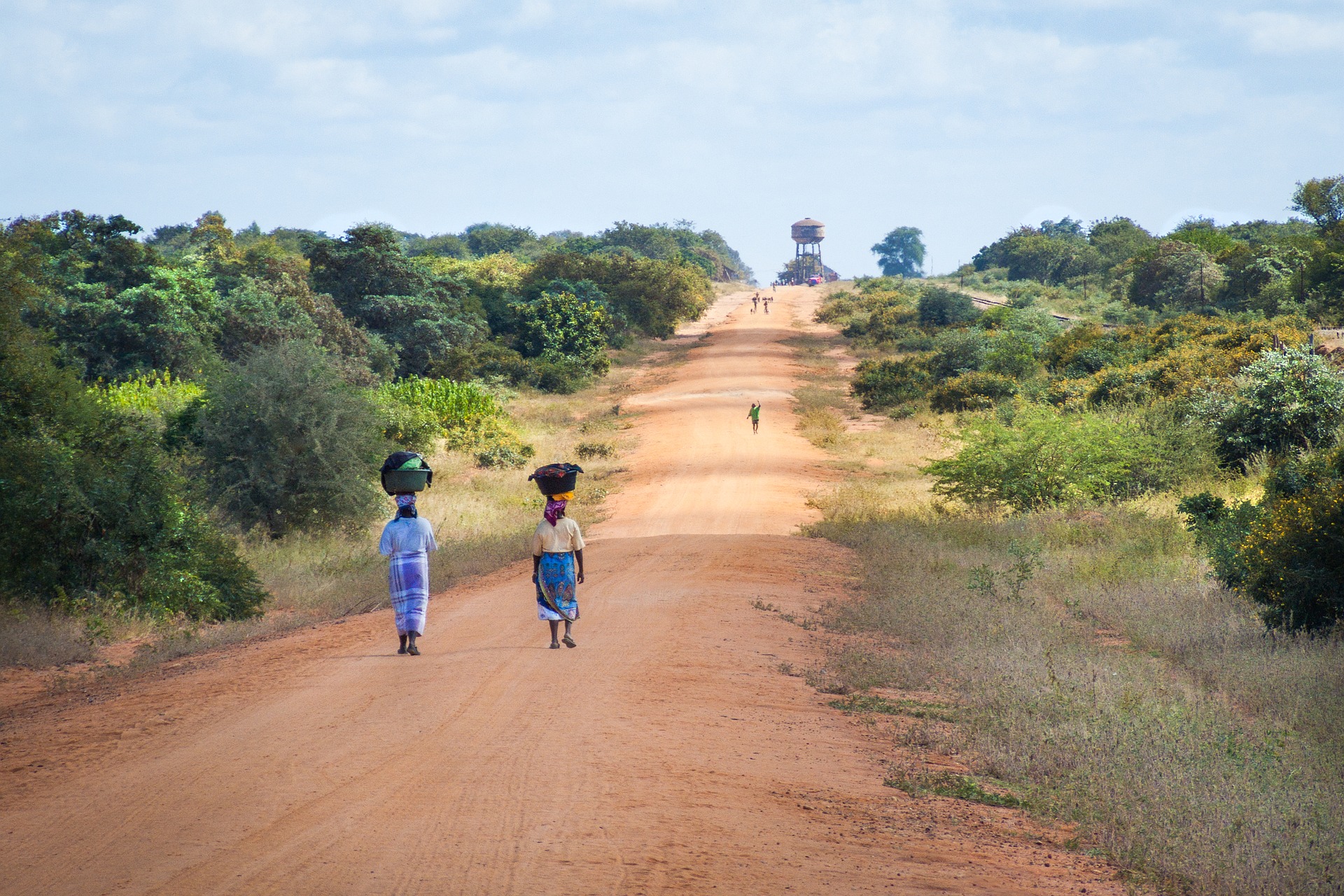
Mozambique offers over 1,000 km of Indian Ocean coast for diving and beaches, colonial towns and Gorongosa's wildlife. Check the advice for the far north.
Check the official advice first: the UK and Canada advise against all travel to most of Cabo Delgado Province and to the Memba and Eráti districts of Nampula Province, in the far north, because of attacks by armed groups. The UK also advises against all travel to the Mecula and Marrupa districts of Niassa, and against all but essential travel to the area around Pemba. Canada advises a high degree of caution in the rest of the country and the US rates it Level 2. The section on safety below has the details.
Most visitors come for the coast, which runs for more than 1,000 km along the Indian Ocean. In the south, Ponta d'Ouro is close to the South African border, Tofo Beach near Inhambane is known for its diving and whale sharks, and Vilankulo is the gateway to the marine park of the Bazaruto Archipelago. Further north, Ilha de Moçambique, the former colonial capital, is a UNESCO World Heritage Site.
Maputo, the capital, lies in the far south. Inland, Gorongosa National Park is the place for wildlife, and Chimoio is the base for Chimanimani National Park and Monte Binga, at 2,436 m the highest peak in the country. Portuguese is the official language; English is spoken in Maputo and in tourist areas, much less in the north. Portuguese influence also shows in the food, with plenty of seafood and piri-piri chilli.
- Ilha de Moçambique: The former Portuguese capital, a UNESCO World Heritage Site since 1991.
- Bazaruto Archipelago: Islands and an underwater marine park with good diving, mostly for high-end resorts.
- Tofo Beach: A backpacker beach east of Inhambane, known for diving with whale sharks.
- Gorongosa National Park: Wildlife and nature in a national park.
- Inhambane: A historic town on a bay.
- Ponta d'Ouro: A dive spot near the South African border.
Places to visit
- City
- Town
- Coast
- Island
- Park
- Area
Cities
- Maputo: The capital in the far south, with daily flights from Johannesburg and the Museum of the Revolution.
- Beira: A busy port and the capital of Sofala Province.
- Inhambane: A historic town on a bay, close to Tofo Beach.
- Ilha de Moçambique: The former colonial capital, a UNESCO World Heritage Site with old buildings and beaches.
- Nampula: An industrial city in the north and capital of Nampula Province.
- Chimoio: The capital of Manica Province and the starting point for Chimanimani National Park and Monte Binga.
- Pemba: A northern holiday town for Mozambicans; the UK and Canada advise against all but essential travel there.
Beyond the cities
- Bazaruto Archipelago (island): Island resorts and an underwater marine park, reached from Vilankulo.
- Tofo Beach (coast): A beach east of Inhambane with dive shops and whale sharks.
- Vilankulo (town): A holiday town and the gateway to the Bazaruto Archipelago.
- Ponta d'Ouro (coast): A dive spot easier to reach from South Africa than from Maputo.
- Gorongosa National Park (park): A national park for wildlife and nature.
- Chimanimani National Park (park): A national park reached from Chimoio.
- Monte Binga (mountain): The highest peak in Mozambique, at 2,436 m.
- Cahora Bassa (area): A hydroelectric dam on the Zambezi and the large lake behind it.
Regions
- Northern Mozambique: Cabo Delgado, Nampula and Niassa provinces, where parts are under official advice against travel.
- Central Mozambique: Manica, Sofala, Tete and Zambézia provinces, with the port of Beira and Chimoio.
- Southern Mozambique: Gaza, Inhambane and Maputo provinces and the Bazaruto marine park, with the capital.
Things to do
See
- Ilha de Moçambique: Colonial buildings and beaches on the island that gave the country its name.
- Inhambane old town Inhambane: A historic town on its bay, a short trip from Tofo.
- Gorongosa National Park: Wildlife and nature in a national park.
- Museum of the Revolution Maputo: For the recent history of the country.
Do
- Diving at Tofo Tofo Beach: Dive shops, reefs and the chance of swimming with whale sharks.
- The Bazaruto Archipelago Vilankulo: Diving in the underwater marine park, mostly from high-end island resorts.
- Ponta d'Ouro: Diving close to the South African border.
Eat
- Matapa and piri-piri prawns: The cassava-leaf stew with seafood, and prawns in a hot marinade.
Drink
- A cold 2M: One of the three favourite local beers; say "doysh-em" when you order.
Shop
- Market bargaining: Anything without a price tag can be bargained; stay friendly and ask your hotel what is fair.
Itineraries
Maputo and the southern coast in 10 days (10 days)
- Maputo (2 nights): The capital; arrive by air or by road from South Africa.
- Inhambane (1 night): North along the EN1, which follows the coast.
- Tofo Beach (3 nights): Diving and whale sharks, east of Inhambane.
- Vilankulo (2 nights): Further up the EN1; also reached by direct flights from South Africa.
- Bazaruto Archipelago (2 nights): Island resorts and the marine park, reached from Vilankulo.
Ponta d'Ouro and Maputo in 5 days (5 days)
- Ponta d'Ouro (3 nights): Diving; the border with South Africa at Kosi Bay is close by, and you need a 4x4.
- Maputo (2 nights): About 90 minutes from the border via the Maputo-Katembe Bridge.
Climate and best time to visit
| Jan | Feb | Mar | Apr | May | Jun | Jul | Aug | Sep | Oct | Nov | Dec | |
|---|---|---|---|---|---|---|---|---|---|---|---|---|
| Max °C | 30 | 30 | 29 | 28 | 26 | 25 | 24 | 25 | 26 | 27 | 27 | 29 |
| Min °C | 22 | 22 | 22 | 19 | 17 | 14 | 14 | 15 | 17 | 18 | 20 | 21 |
| Rain mm | 171 | 131 | 106 | 57 | 32 | 18 | 20 | 15 | 44 | 55 | 82 | 85 |
Most of Mozambique is tropical. In Maputo the average maximum stays between about 24 °C in June and July and 30 °C in January, and the rain falls mostly from November to March: January is the wettest month, with about 171 mm, while June to August get less than 20 mm a month. The north, around Pemba and the Zambezi, is hotter, the inland plains are hotter and wetter than the coast, and the mountains stay cool all year.
The rainy season, from November to April, brings cyclones and floods that can cut roads and disrupt transport, including in Maputo. The dry months from May to October are the easiest time to travel; on the coast a few nights in June and July can feel cool.
Holidays and events
- 1 January 2026 · New Year's Day
- 3 February 2026 · Heroes's Day
- 7 April 2026 · Women's Day
- 1 May 2026 · Worker's Day
- 25 June 2026 · Independence Day
- 7 September 2026 · Victory Day
- 25 September 2026 · Revolution Day
- 4 October 2026 · Day of Peace and Reconciliation
- 25 December 2026 · Christmas Day
Getting around
Flying with LAM, the national airline, is the fastest way to cover the long distances between the cities. On the ground, public transport is limited and often unsafe. The chapas, private minibuses, are overcrowded, poorly maintained and frequently involved in fatal accidents; private intercity buses are in better condition. Trains are slow and overcrowded. For taxis, use registered ones booked through your hotel, agree the fare before you go since there are no meters, and avoid yellow and green taxis, where thefts have been reported.
Driving: traffic drives on the left. A UK photocard licence is valid for 90 days; after that you need an International Driving Permit or a local licence. You must have third-party insurance, sold at most land borders, and carry 2 reflective triangles and reflective vests. Police checks are frequent and sometimes come with requests for bribes: ask for a written fine to pay at a police station. Outside the cities drive only in daylight, keep to major roads and keep the tank at least half full, since fuel can run short. Wikivoyage gives speed limits of 60 km/h in town and 100 km/h elsewhere. Roads are often poor, many need a 4x4, and in the rainy season floods can make them impassable.
Flying to Mozambique? PartnerCompare fares and find the cheapest datesSearch flightsWhere to stay
- Backpacker lodges: In Maputo, Tofo Beach, Vilankulo, Chimoio and Pemba; elsewhere budget travellers may find only basic guesthouses.
- Hotels: Mostly ungraded; outside the tourist areas many have changed little in decades and can be poor value.
- Beach resorts: Some of the most expensive in the region, for example on the Bazaruto Archipelago.
- Self-catering: Common in the main tourist areas.
- Campsites: With security in almost all coastal towns; in villages, ask the chief before you camp.
Check the shower before you use it: a common type of electric shower heater is ungrounded and has given people severe shocks. If in doubt, switch it off at the circuit breaker. If you travel with a caravan, stay on the popular routes along the EN1, since many roads turn into sand tracks.
Eat and drink
Dishes to try
- Matapa: A stew of cassava leaves with clams, crab or prawns, served over rice.
- Piri-piri prawns: Prawns marinated with piri-piri chilli, garlic, onion, lemon and vinegar.
- Prego and bifana: Portuguese-style bread rolls filled with beef or fried pork.
- Grilled seafood: Crayfish and other seafood from the beach, with a piri-piri marinade.
Drinks
- Local beer: 2M, Laurentina Clara and Manica, all from the country's main brewery.
- Cashu: A sour local drink made from the cashew.
On the coast seafood turns up in even the simplest dishes, while inland maize is the staple. Piri-piri sauce is found all over the country. Drinking alcohol on public beaches is illegal. Many supermarkets do not sell alcohol, so look for a liquor store. Drink bottled water, which most lodges sell.
Entry requirements and visas
| Passport validity | At least 6 months after the date you arrive (UK) or beyond the date you leave (Canada), with at least 2 blank pages |
|---|
| Passport | Entry | Max stay | Notes |
|---|---|---|---|
| United Kingdom | Eta | 30 days | Apply online at least 5 working days before you travel and pay when you apply, about USD 47 in 2026; you cannot pay at the border. |
| Canada | Eta | 30 days | No visa, but an Electronic Travel Authorization obtained at least 48 hours before departure; one 30-day extension is possible. |
Other nationalities: check the official source below.
British and Canadian visitors do not need a visa for stays of up to 30 days, but they must get an Electronic Travel Authorisation (ETA) through the official Mozambique e-visa portal before travelling. Carry a printed copy of the approved ETA and of the payment. At the border you may be asked for proof of accommodation, a return or onward ticket and enough money for your stay. Check that your passport is stamped with the right dates: overstaying is fined for every day.
Children under 18 need a full birth certificate listing both parents, and, if they travel with one parent or alone, a notarised consent letter from the other. Declare cash of 10,000 meticais or more, or foreign cash worth USD 5,000 or more. Wikivoyage still says some nationalities can enter without an ETA, but the UK and Canada now require one, so do not rely on it. Rules depend on your passport and can change: check the official e-visa portal or the Mozambican embassy before you book.
Money and payments
| Currency | Mozambican Metical (MZN) |
|---|---|
| Cards | Limited |
The metical (MZN, written MT) cannot be bought or sold outside Mozambique, so change money when you arrive. US dollars, South African rand, British pounds and euros are easy to change at banks and exchange offices; other currencies, such as Canadian or Australian dollars, are not accepted. Change a little at the border if you arrive late, since exchange offices close early and ATMs sometimes fail. In tourist areas many prices are quoted in rand.
ATMs are found across the country, with withdrawal limits that vary by bank. Use ATMs inside banks and never at night, and watch for card cloning. Cards are increasingly accepted in the larger cities, but Mastercard is not always accepted and travellers' cheques rarely are. Carry small notes: 500 and 1,000 MT notes are hard to use, and few people have change.
Health
| Required vaccines | Yellow fever, only if you arrive from a country with yellow fever risk, including transits of more than 12 hours there, Polio certificate, in certain circumstances (UK FCDO) |
|---|---|
| Recommended vaccines | Routine vaccines, including measles (MMR), Hepatitis A, Hepatitis B, Typhoid, for most travellers, Cholera, for some travellers: there is active transmission, Rabies, for some travellers: rabid dogs are common and vaccine may be available only in larger towns |
| Malaria | Widespread |
| Tap water | Not safe |
Malaria is present everywhere in Mozambique, and the CDC and Canada recommend antimalarial tablets for most travellers, as well as protection against mosquito bites at all times. You need a yellow fever certificate only if you come from, or have transited for more than 12 hours through, a country with yellow fever risk. The UK reports a cholera outbreak in central and northern areas. Other risks include dengue, schistosomiasis in fresh water, African tick-bite fever and mpox. Ask a travel health professional about vaccines and tablets at least a month before you go.
Treat tap water as unsafe and do not use ice; bottled water is sold widely. HIV is common: Wikivoyage cites a rate of 12.5% from the 2021 national survey. Hospitals are below UK standards, especially in the north, and serious cases may need evacuation to South Africa or the UK, so get insurance that covers it. For an ambulance, call 848888 or 823388, or 112.
This is general information, not medical advice: check with a travel health professional before you go.
Safety
- United States: Level 2: Exercise Increased Caution (2026-10-20)
- Canada: Exercise a high degree of caution (2026-10-20)
- United Kingdom: Advises against all travel to parts of the country; Advises against all but essential travel to parts of the country (2026-10-20)
The UK advises against all travel to Cabo Delgado Province, except Palma town and the area around Pemba and Afungi, where it advises against all but essential travel. It also advises against all travel to the Memba and Eráti districts of Nampula and the Mecula and Marrupa districts of Niassa, where there have been lethal attacks at hunting lodges in the Niassa Special Reserve. Canada's advice for these areas is similar. An armed group linked to Daesh is active there, with a high risk of attacks and kidnapping. Your insurance may not cover you if you go against this advice.
In the rest of the country, crime is the main risk. Street crime with knives and firearms is common in Maputo and growing in other cities and tourist areas, and beaches and islands are not policed. Do not walk alone, especially at night or on beaches, keep phones and jewellery out of sight, and use ATMs inside banks. Carjackings happen: keep doors locked and do not stop for strangers. Kidnappings for ransom occur in Maputo, Matola and Beira. If threatened, do not resist.
Always carry your passport: the UK says police do not accept copies, and checkpoints are common. Some police ask for bribes; stay calm and ask for a written fine. Protests can start at short notice and turn violent, so avoid them and do not travel after dark. Mines may remain in remote areas of the southern and central provinces, away from main roads. Cyclones and floods are common from November to April.
Customs and etiquette
Mozambicans are known for being warm and friendly, and visitors generally face less hassle than in neighbouring countries. Bargaining is normal for anything without a price tag: laughing at a high price is fine, but getting angry will not get you a better deal. If you want to camp near a village, ask the chief first; a small gift is appreciated.
The law requires you to carry your passport at all times. Do not photograph government offices, airports, military sites, police or officials without permission. Drinking alcohol on public beaches is illegal, and drug offences carry long prison sentences. Same-sex relations are legal, and attitudes in Maputo are more liberal than in rural areas. Be wary of anyone offering to sell you land: foreigners cannot own it, and such offers are scams.
Language
| Official languages | Portuguese |
|---|---|
| English | Limited |
What to pack
- Passport with 6 months' validity and 2 blank pages: You must carry it at all times; police do not accept copies.
- Printed ETA and payment confirmation: Officials may ask for them on arrival and departure.
- Proof of accommodation and a return ticket: Border staff may ask to see them.
- Antimalarial tablets and insect repellent: Malaria is present in all areas.
- 2 reflective triangles and reflective vests: Compulsory in a car, with on-the-spot fines if missing.
- Insurance that covers medical evacuation: Serious cases may need evacuation to South Africa or the UK.
- Water purifying tablets or liquid: Wikivoyage suggests them if you go well off the beaten track.
Quick reference
Country facts
| Capital | Maputo |
|---|---|
| Population | 35,631,653 (2025) |
| Area | 786,380 km² |
| Time zone | Africa/Maputo (UTC+2) |
| Calling code | +258 |
| Driving side | left |
Staying connected
| SIM and eSIM | Vodacom, Movitel and mCel. Buy a starter pack in a phone shop, not from street vendors, who may sell cards that no longer work. Vodacom has 4G in many towns; mCel is less reliable outside Maputo. |
|---|---|
| Wi-Fi | Easy to find in Maputo, in cafés and hotels; elsewhere internet access is patchy and mostly limited to tourist areas. |
Emergency numbers
| Police | 112 |
|---|---|
| Ambulance | 848888 or 823388 |
| Fire | 198 |
Frequently asked questions
Do I need a visa for Mozambique?
British and Canadian visitors need no visa for up to 30 days, but they must get an Electronic Travel Authorisation online before travelling. Check the official e-visa portal or the embassy before you book.
Is Mozambique safe to visit?
The UK and Canada advise against all travel to most of Cabo Delgado and to some districts of Nampula and Niassa, in the north. Elsewhere Canada advises a high degree of caution because of crime, demonstrations, kidnapping and terrorism, and the US rates the country Level 2.
Do I need malaria tablets for Mozambique?
Yes. Malaria is present in all areas, and the CDC and Canada recommend antimalarial medicine for most travellers. Ask a travel health professional which one suits you.
Which currency should I bring to Mozambique?
US dollars, South African rand, British pounds or euros, which are easy to change. You cannot buy meticais before you arrive.
Can I drink the tap water in Mozambique?
Treat it as unsafe, and avoid ice. Bottled water is widely sold.
When is the best time to visit Mozambique?
The dry season from May to October. From November to April it is hot and rainy, with a risk of cyclones and floods.
More Travel Stories from Africa
 Kenya
Sources This guide was last checked on · 18 sources
- Wikivoyage: Mozambique · Overview, Places to visit, Things to do, Itineraries, Climate and best time to visit, Getting around, Where to stay, Eat and drink, Entry requirements and visas, Money and payments, Health, Safety, Customs and etiquette, Language, What to pack, Staying connected, Frequently asked questions
- Wikidata: Mozambique · Overview, Places to visit, Money and payments, Country facts
- UK FCDO: Mozambique warnings and insurance (updated 20 August 2026) · Overview, Safety, Frequently asked questions
- Government of Canada: Mozambique travel advice (updated 15 October 2026) · Overview, Places to visit, Climate and best time to visit, Getting around, Entry requirements and visas, Money and payments, Health, Safety, What to pack, Frequently asked questions
- US Department of State: Mozambique travel advisory · Overview, Safety
- UK FCDO: Mozambique regional risks · Places to visit, Safety
- WMO World Weather Information Service: Maputo · Climate and best time to visit
- UK FCDO: Mozambique safety and security (updated 20 August 2026) · Climate and best time to visit, Getting around, Eat and drink, Money and payments, Safety, Customs and etiquette, What to pack
- Nager.Date: public holidays in Mozambique, 2026 · Holidays and events
- UK FCDO: Mozambique entry requirements (updated 20 August 2026) · Getting around, Entry requirements and visas, Health, What to pack, Frequently asked questions
- ISO 4217 (SIX), published 2026-09-17 · Money and payments
- CDC Travelers' Health: Mozambique · Health, What to pack, Frequently asked questions
- UK FCDO: Mozambique health · Health
- UK FCDO: Mozambique travel advice · Safety
- World Bank, SP.POP.TOTL · Country facts
- World Bank, AG.LND.TOTL.K2 · Country facts
- IANA Time Zone Database, zone.tab · Country facts
- UK FCDO: Mozambique getting help · Emergency numbers
Suggest an update
Travel rules, prices and timetables change. If something in this guide is out of date, tell us: we check every suggestion against an official source before changing the page.