

- Local time
- 20:04
- Currency
- Malawian Kwacha (MWK)
- Capital
- Lilongwe
- Calling code
- +265
- Drive on the
- left
Overview
Malawi suits travellers who want Lake Malawi's beaches and diving, boat safaris in Liwonde and highland treks on Mount Mulanje, in one small country.
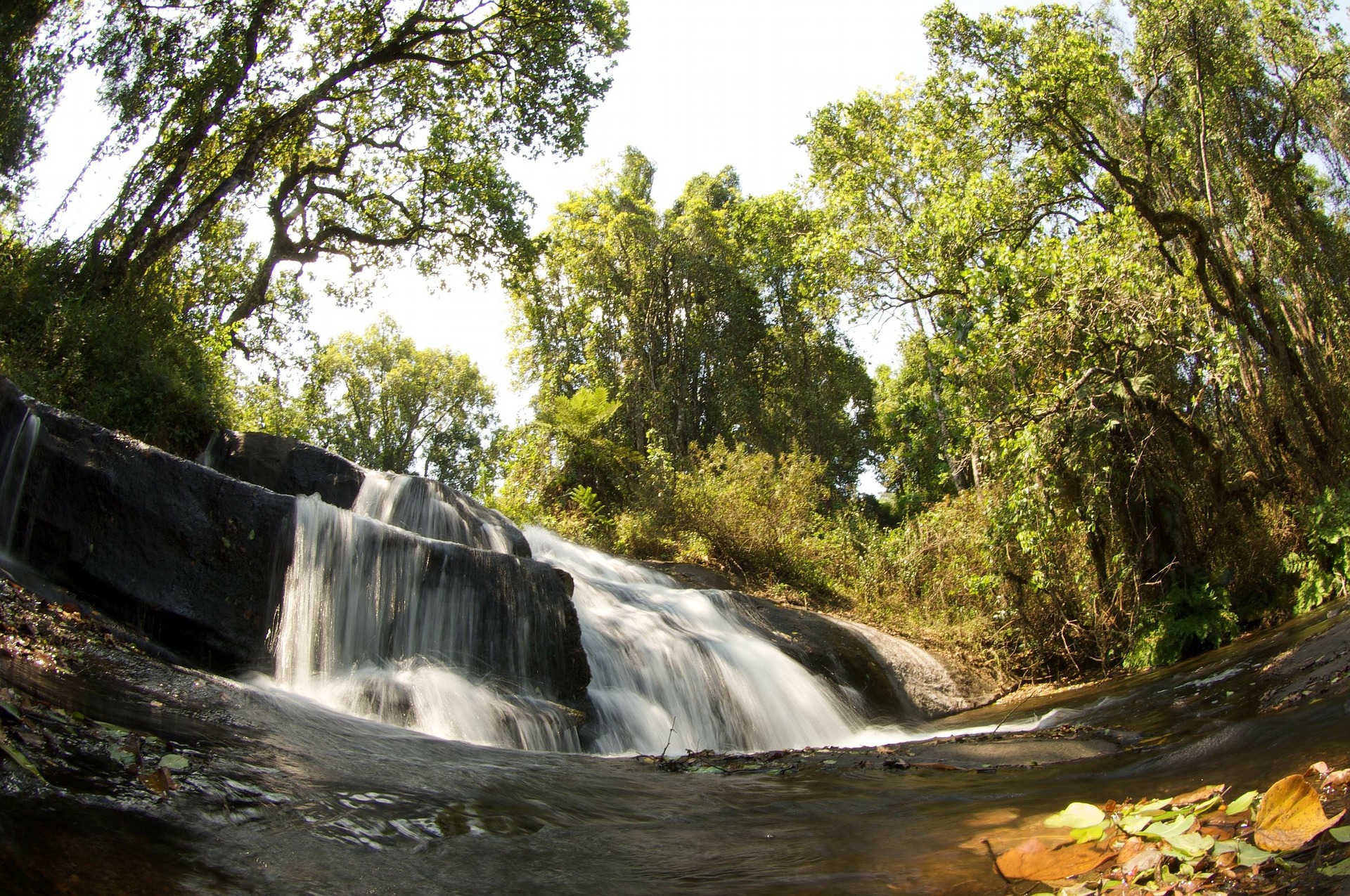
Malawi is a small, landlocked country whose eastern border mostly follows Lake Malawi, the third largest lake in Africa. Its nickname, the Warm Heart of Africa, refers to the friendliness of its people. On the lake you can stay by the beaches of Cape Maclear, dive at Nkhata Bay or ride the weekly passenger ferry along the shore.
Away from the lake, the Rift Valley and the highlands give the country a lot of variety for its size. In the south rise the Mulanje Massif, whose Sapitwa Peak reaches about 3,000 m, and the Zomba Plateau; in the north, the grassland of the Nyika Plateau is the biggest national park. Liwonde National Park, along the Shire River, has hippos, crocodiles and elephants. Malawi was the British protectorate of Nyasaland until independence on 6 July 1964, and English is the official language.
Plan with some slack. Canada asks you to exercise a high degree of caution because of fuel shortages and crime: the shortages cause long queues at filling stations and disrupt transport, electricity and the internet.
- Cape Maclear: A fishing village on a peninsula in the south of Lake Malawi, with sandy beaches and clear water.
- Nkhata Bay: A rocky bay in the north of the lake, with lodges and freshwater diving.
- Liwonde National Park: Forest along the Shire River: a half-hour boat ride shows hippos, elephants and fish eagles.
- Mount Mulanje: A granite massif in the south, a favourite with climbers heading for Sapitwa Peak.
- Zomba Plateau: A flat-topped mountain above the old colonial capital, with a road to the top.
- Nyika National Park: The country's biggest park, on a grassland plateau about 1,800 m high.
Places to visit
- City
- Town
- Coast
- Island
- Park
- Mountain
Cities
- Lilongwe: The political capital and seat of government, and one of the two international gateways.
- Blantyre: The economic capital and largest city, with nightlife, live music, markets and museums on the slave trade.
- Mzuzu: The largest town of the north, a stop for cash and internet on the way to Nkhata Bay or Tanzania.
- Zomba: The old colonial capital, with British colonial buildings and the Zomba Plateau rising just west of town.
- Mangochi: Once called Fort Johnston, the starting point for the lakeshore resorts and Cape Maclear, with a Lake Museum.
- Nkhotakota: A lakeshore town that was a centre of the slave trade, where David Livingstone tried to negotiate its end.
- Karonga: A northern town near the lake and the Misuku Hills, with a cultural and museum centre.
Beyond the cities
- Cape Maclear (town): A fishing village at the tip of a peninsula, popular with backpackers for its beaches; schistosomiasis is common in the water.
- Monkey Bay (town): A large village on the road from Mangochi to Cape Maclear and the southern end of the Ilala ferry.
- Nkhata Bay (coast): A rocky bay in the north of the lake, with lodges, diving and the ferry to Likoma.
- Likoma Island (island): An island with rich underwater life, reached by private boat or a ferry that runs once or twice a week.
- Liwonde National Park (park): 550 km² of forest on the Shire River, best reached from the town of Liwonde.
- Mount Mulanje (mountain): A massif inside the Mulanje Mountain Forest Reserve, climbed for Sapitwa Peak.
- Zomba Plateau (mountain): A mountain of the Shire Highlands with a gently rolling top you can drive up to.
- Nyika National Park (park): The biggest national park, on the high grassland of the Nyika Plateau in the north.
- Ntchisi Forest Reserve (park): Rainforest in a rural area of the Dowa Highlands, north of Lilongwe.
Regions
- Northern Malawi
- Central Malawi
- Southern Malawi
Things to do
See
- Boat safari on the Shire River Liwonde National Park: A half-hour boat ride shows hippos, elephants and fish eagles; crocodiles and lions live in the park too.
- Museums of history: The Cultural and Museum Centre at Karonga, the slave trade museums of Blantyre and the Lake Museum at Mangochi.
Do
- Beaches of Cape Maclear Cape Maclear: Sandy beaches and clear water on the southern lake. Read the health section first: schistosomiasis is common here.
- Freshwater diving Nkhata Bay: Wikivoyage ranks Nkhata Bay among the best freshwater dive sites in the world.
- Trek on Mount Mulanje Mount Mulanje: Climb towards Sapitwa Peak. Ask the Mountain Club of Malawi for security advice before you go, as the UK and Canada advise.
- Zomba Plateau Zomba: Drive or hike up to the plateau top above the old capital.
- The Ilala ferry Monkey Bay: A weekly passenger ferry north along the lake from Monkey Bay to Chilumba, two nights each way.
- Horse riding on the Nyika Plateau Nyika National Park: Riding is offered in Nyika and at Kande.
Eat
- Nsima with relish: Maize porridge rolled into balls with the right hand and dipped into stews of meat, fish, beans or pumpkin leaves.
Drink
- A Carlsberg 'green' Blantyre: The standard local beer, brewed in Blantyre, where you can visit the factory.
Itineraries
Lilongwe, Cape Maclear and Liwonde in 6 days (6 days)
- Lilongwe (1 night): Arrival in the capital.
- Cape Maclear (3 nights): Beaches and boats on the southern lake, past Monkey Bay.
- Liwonde National Park (2 nights): Boat safari on the Shire River, from the town of Liwonde.
Blantyre, Zomba and Mount Mulanje in 7 days (7 days)
- Blantyre (2 nights): Downtown, markets and the slave trade museums.
- Zomba (2 nights): The colonial town and a drive or hike up the plateau.
- Mount Mulanje (3 nights): A trek towards Sapitwa Peak; get security advice from the Mountain Club of Malawi first.
The northern lake in 6 days (6 days)
- Mzuzu (1 night): Cash and internet before the lake.
- Nkhata Bay (3 nights): Lodges on a rocky bay and freshwater diving.
- Likoma Island (2 nights): By ferry from Nkhata Bay; it runs only once or twice a week, so plan around it.
Climate and best time to visit
| Jan | Feb | Mar | Apr | May | Jun | Jul | Aug | Sep | Oct | Nov | Dec | |
|---|---|---|---|---|---|---|---|---|---|---|---|---|
| Max °C | 26 | 26 | 25 | 24 | 22 | 20 | 20 | 22 | 25 | 27 | 27 | 26 |
| Min °C | 16 | 17 | 16 | 15 | 12 | 8 | 7 | 7 | 9 | 12 | 14 | 16 |
| Rain mm | 203 | 180 | 224 | 213 | 59 | 30 | 30 | 12 | 10 | 35 | 96 | 197 |
The rainy season starts between mid-October and early November and lasts until March or April. In Mzuzu, in the north, each month from December to April gets about 180 to 225 mm of rain, while August and September get only 10 to 12 mm. Floods and landslides can close roads in the wet season, and cyclones can reach the country between November and April.
The dry season, May to October, is the easiest time to travel. June to August are the coolest months: in Mzuzu average highs are about 20 to 22 °C and nights drop to 6.5 to 8 °C. October and November are the warmest months, with average highs of about 27 °C. The lake shore is warm with a cooling breeze, and the lower Shire Valley, south of Blantyre, is the hottest part of the country.
Holidays and events
- 1 January 2026 · New Year's Day
- 15 January 2026 · John Chilembwe Day
- 3 March 2026 · Martyrs' Day
- 3 April 2026 · Good Friday
- 6 April 2026 · Easter Monday
- 1 May 2026 · Labour Day
- 14 May 2026 · President Kamuzu Banda's Birthday
- 6 July 2026 · Independence Day
- 15 October 2026 · Mother's Day
- 25 December 2026 · Christmas Day
- 28 December 2026 · St. Stephen's Day
Getting around
Roads: the main highways are in good condition, but most roads have no shoulder, so people, cyclists and animals walk on them day and night. The UK and Canada advise against travelling after dark, when some vehicles drive without lights. Police run roadblocks and speed checks, often with cameras where there is no speed sign, and can fine you on the spot; carry your licence and ID. Seatbelts are compulsory. UK visitors can drive on a photocard licence for up to 90 days, or for a year with an international driving permit.
Fuel is often short, with long queues. Keep your tank at least half full, carry a spare can and do not assume you will find fuel on your route. The shortages also disrupt taxis and public transport.
Buses: larger coaches between the main towns are more reliable than minibuses and pick-ups, which are often overloaded and in poor condition; Canada advises against minibuses and against getting lifts in the back of open vehicles (matola). Passenger trains run only once or twice a week between Blantyre and towns in the south. The Ilala ferry runs weekly up the lake from Monkey Bay to Chilumba; some lake ferries have poor safety standards, so do not board one that looks overloaded.
Flying to Malawi? PartnerCompare fares and find the cheapest datesSearch flightsWhere to stay
- Western-standard hotels: In Blantyre, Lilongwe, Zomba and Mzuzu and along Lake Malawi, where resort hotels cater mainly to international tourists.
- Backpacker hostels: Found in many places, with dormitory beds.
- Five-star resorts: In some rural areas, at western prices.
- Village stays: Many areas offer overnight stays in villages to see daily life.
Wikivoyage reports that since late 2025 foreigners must pay for accommodation and related tourist services in US dollars, euros or pounds, so bring hard currency. Theft happens in hotels too, says Canada, and the UK suggests leaving valuables and cash in the hotel safe.
Eat and drink
Dishes to try
- Nsima: Thick maize porridge, the national staple, rolled into balls with the right hand and dipped into a stew called relish.
- Relishes: Stews of beef, chicken or fish, or of beans, small dried fish (usipa) and pumpkin leaves (chibwabwa).
- Take-away meals: Meat pies and sausage rolls from the tuck shops along the main roads.
Drinks
- Maheu: A slightly gritty maize drink, sweet and flavoured when factory-made, plainer when homemade.
- Carlsberg: Brewed in Blantyre; the standard beer is called a green, and Kuche Kuche is another of its beers.
- Malawi Gin and tonic: A local gin, popular with expats.
- Soft drinks: Bottled by SOBO in returnable glass bottles, with a deposit on each one.
Lilongwe, Mzuzu and Blantyre have a good choice of restaurants, from fast food to cuisines from around the world; elsewhere the choice is limited. Many restaurants do not serve pork. Outside the cities you rarely find a washroom with running water, so carry antibacterial hand soap. The UK says tap water may not be safe, especially in rural areas; bottled water is sold in all the main shops. Do not accept food or drink from strangers: the UK reports robberies after drugged food.
Entry requirements and visas
| Passport validity | At least 6 months beyond your stay (Canada counts from the day you leave), with 2 blank pages |
|---|
| Passport | Entry | Max stay | Notes |
|---|---|---|---|
| United Kingdom | Visa on arrival | Pay in US dollars cash: 50 USD single entry, 150 USD for a 6-month multiple-entry visa, 250 USD for one year. An e-visa is also available from the Malawi Immigration website. | |
| Canada | Visa on arrival | A 3-month single-entry or 6-month multiple-entry visa at the main ports of entry, or an e-visa before you leave. |
Other nationalities: check the official source below.
UK and Canadian citizens need a visa. You can get one on arrival, paid in US dollars cash (in 2026 the UK lists 50 USD for a single entry), or apply online for an e-visa before you go. To stay longer, contact the Department of Immigration: overstaying can lead to a fine when you leave. You cannot work or volunteer on a tourist visa.
Fill in the Traveller Health Check form, online in advance or on arrival through a QR code. You need a yellow fever certificate if you come from a country with risk of yellow fever, including airport transits of more than 12 hours there, and the UK says a polio certificate may be needed in some cases. Declare all foreign currency on arrival. Rules depend on your passport and can change: check the official link or the embassy of Malawi before you book.
Money and payments
| Currency | Malawian Kwacha (MWK) |
|---|---|
| Cards | Limited |
The currency is the Malawi kwacha (MWK), often written MK. Cards are of limited use: Visa and Mastercard work at larger hotels and big supermarkets, and you can withdraw kwacha at many ATMs of Standard Bank, Ecobank and National Bank of Malawi. Travellers' cheques are no longer accepted.
Bring US dollars, euros or pounds: according to Wikivoyage, since late 2025 foreigners must pay accommodation and tourist services in hard currency, and foreign cash is widely accepted for larger purchases. Declare all foreign currency on arrival. Kwacha are hard to change outside Malawi, so spend them before you leave. The kwacha was devalued by 44% in November 2023, so older price guides are out of date.
Health
| Required vaccines | Yellow fever, only if you arrive from a country with risk of yellow fever (age 1 year or older, including transits of more than 12 hours), Polio, in some circumstances (UK FCDO) |
|---|---|
| Recommended vaccines | Routine vaccines, including measles (MMR), Polio: a single adult booster, since poliovirus has been found in Malawi in the past year, Hepatitis A, Hepatitis B, Typhoid, for most travellers, Rabies, for some travellers: rabid dogs are common, Cholera, may be considered: transmission is widespread, Mpox, for travellers at risk of sexual exposure |
| Malaria | Widespread |
| Tap water | Varies |
Malaria is present in all areas, and the CDC recommends prescription medicine to prevent it. Cholera is widespread, and the UK expects cases to rise in the rainy season; eat and drink carefully and wash your hands. Lake Malawi carries schistosomiasis (bilharzia), especially around Cape Maclear. Tsetse flies, which spread sleeping sickness, bite in game parks and rural areas. See a travel health professional at least a month before you go.
Hospitals cannot offer the standard you may be used to, rural facilities are basic and serious cases may need evacuation. Many clinics expect payment in cash before treatment, so get insurance that covers medical evacuation and carry a basic medical kit. For an ambulance call 998, but emergency numbers are unreliable: ask your hotel or the police for local numbers.
This is general information, not medical advice: check with a travel health professional before you go.
Safety
- United States: Level 2: Exercise Increased Caution (2026-10-20)
- Canada: Exercise a high degree of caution (2026-10-20)
- United Kingdom: No advice against travel (2026-10-20)
The US rates Malawi Level 2 and Canada asks you to exercise a high degree of caution because of fuel shortages and crime; the UK does not advise against travel. Pickpocketing and bag snatching are common in markets and tourist areas, around the main bus stations of Lilongwe and Blantyre, at the Ilala ferry terminals and in restaurants and hotels. Do not walk at night, alone or in a group, and leave valuables in the hotel safe.
Violent crime happens, especially in Lilongwe and Blantyre: carjacking, burglary and armed robbery. The UK reports more break-ins in Lilongwe, Blantyre and Limbe, and a group of UK tourists robbed in their hotel in Mulanje in 2025; Canada reports travellers targeted in the Mulanje district. Keep car doors locked and windows up, and if you are robbed, hand over what is asked without resisting. Be wary of over-friendly strangers offering to be your guide, and never accept food or drink from them.
Avoid demonstrations, which can turn violent. On safari, stay in the vehicle until your guide says it is safe; in the lake, crocodiles and hippos can be a danger. Before climbing Mount Mulanje, ask the Mountain Club of Malawi for security advice and never hike alone. Floods and cyclones are common from November to April.
Customs and etiquette
Greetings matter. Before you ask anyone anything, say hello and ask how they are: going straight to the point is considered rude. Malawians shake hands and speak softly, and men often hold hands as friends. In rural areas expect curiosity, with children calling out mzungu and lots of questions.
Outside the main tourist areas dress conservatively. Women should avoid shorts and short skirts away from the lodge; wraps sold in city markets are a common solution. Men in towns wear long trousers, since shorts are mostly for schoolchildren.
Carry a copy of your passport, as police can ask for ID. Same-sex relations are illegal and can lead to prison. Drug laws are strict, cannabis included. It is illegal to buy uncut gemstones, ivory or any part of a protected animal.
Language
| Official languages | English |
|---|---|
| English | Common |
What to pack
- Passport valid 6 months beyond your stay, with 2 blank pages: Entry requirement.
- US dollars in cash: For the visa on arrival and for accommodation, which foreigners pay in hard currency.
- Yellow fever certificate, if you come from a risk country: Required on arrival.
- Insect repellent and malaria tablets: Malaria is present everywhere in the country.
- A basic medical kit and your medicines in their original containers: Rural facilities are basic and some medicines are not available.
- Antibacterial hand soap: Outside the cities there is rarely running water to wash your hands.
- Clothes that cover the knees: Expected outside lodges and tourist areas, especially for women.
- A copy of your passport and visa: Police can ask for ID.
Quick reference
Country facts
| Capital | Lilongwe |
|---|---|
| Population | 22,216,120 (2025) |
| Area | 94,280 km² |
| Time zone | Africa/Blantyre (UTC+2) |
| Calling code | +265 |
| Driving side | left |
Staying connected
| SIM and eSIM | Airtel and TNM are the two main mobile networks; according to Wikivoyage TNM has the better 3G coverage, while Airtel mostly covers the largest cities. |
|---|---|
| Wi-Fi | Fuel shortages can disrupt electricity and internet access, says Canada. |
Emergency numbers
| Police | 990 or 997 |
|---|---|
| Ambulance | 998 |
| Fire | 999 |
Frequently asked questions
Do I need a visa for Malawi?
Yes, UK and Canadian citizens need one. You can get it on arrival, paid in US dollars cash, or apply for an e-visa before you go. Check the official link or the embassy before you book.
Do I need malaria tablets for Malawi?
Yes. The CDC recommends prescription medicine to prevent malaria in all areas of the country. Ask a travel health professional which one suits you.
Is it safe to swim in Lake Malawi?
The lake carries schistosomiasis (bilharzia), especially around Cape Maclear, and crocodiles and hippos can be a danger. Ask locally before you swim.
Can I drink the tap water in Malawi?
The UK says it may not be safe, especially in rural areas. Bottled water is sold in all the main shops.
When is the best time to visit Malawi?
The dry season, from May to October. The rains run from about November to March or April, with floods that can close roads.
Can I pay by card in Malawi?
Only at larger hotels and big supermarkets. Bring US dollars, euros or pounds: foreigners pay accommodation in hard currency, and ATMs give kwacha.
More Travel Stories from Africa
 Kenya
Sources This guide was last checked on · 16 sources
- Wikivoyage: Malawi · Overview, Places to visit, Things to do, Itineraries, Climate and best time to visit, Getting around, Where to stay, Eat and drink, Money and payments, Health, Safety, Customs and etiquette, Language, What to pack, Staying connected, Frequently asked questions
- Wikidata: Malawi · Overview, Places to visit, Money and payments, Country facts
- Government of Canada: Malawi travel advice (updated 14 October 2026) · Overview, Things to do, Getting around, Where to stay, Entry requirements and visas, Money and payments, Health, Safety, What to pack, Staying connected, Frequently asked questions
- UK FCDO: Malawi safety and security (updated 3 July 2026) · Things to do, Itineraries, Climate and best time to visit, Getting around, Eat and drink, Safety, Customs and etiquette, What to pack, Frequently asked questions
- WMO World Weather Information Service: Mzuzu · Climate and best time to visit
- Nager.Date: public holidays in Malawi, 2026 · Holidays and events
- UK FCDO: Malawi health (updated 3 July 2026) · Eat and drink, Health, What to pack, Frequently asked questions
- UK FCDO: Malawi entry requirements (updated 3 July 2026) · Entry requirements and visas, Health, What to pack, Frequently asked questions
- CDC Travelers' Health: Malawi · Entry requirements and visas, Health, Frequently asked questions
- ISO 4217 (SIX), published 2026-09-17 · Money and payments
- UK FCDO: Malawi getting help (updated 3 July 2026) · Health, Emergency numbers
- US Department of State: Malawi travel advisory · Safety
- UK FCDO: Malawi travel advice · Safety
- World Bank, SP.POP.TOTL · Country facts
- World Bank, AG.LND.TOTL.K2 · Country facts
- IANA Time Zone Database, zone.tab · Country facts
Suggest an update
Travel rules, prices and timetables change. If something in this guide is out of date, tell us: we check every suggestion against an official source before changing the page.