


- Local time
- 21:04
- Currency
- Kenyan Shilling (KES)
- Capital
- Nairobi
- Calling code
- +254
- Drive on the
- left
Overview
Big-game safaris in the Maasai Mara and Amboseli, Swahili towns and Indian Ocean beaches, with good flights and plenty of tour operators.
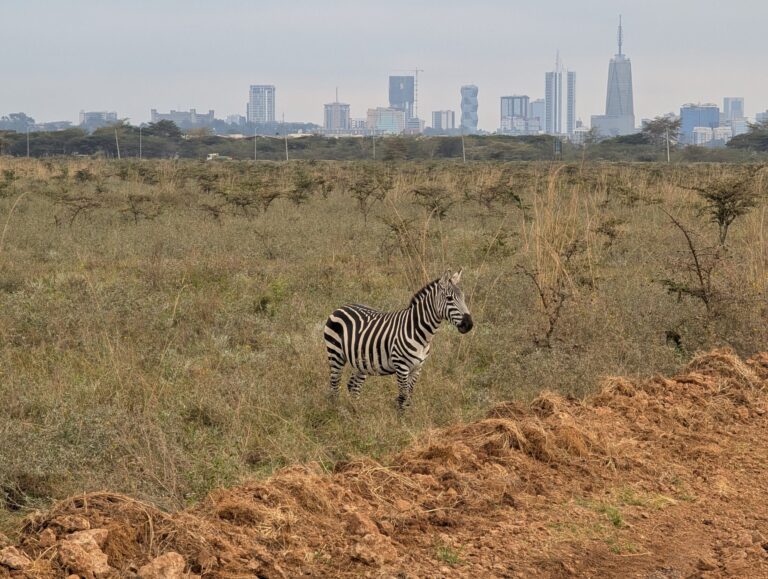
Kenya is one of the most visited countries in Africa, and nature is the reason: the Maasai Mara, where the wildebeest migration arrives each year, the elephants of Amboseli, the flamingos and birds of Lake Nakuru, and big game a short drive from central Nairobi. Many visitors pair a safari with a beach stay on the Indian Ocean, around Mombasa, Diani or Malindi, where Swahili culture shapes the food, the architecture and the old town of Lamu. Mount Kenya, the second highest mountain in Africa, offers serious trekking.
Tourism is well organised, with frequent flights, a fast train from Nairobi to Mombasa and plenty of tour operators, though safaris are never cheap because park fees and camps are expensive. Every visitor needs an electronic travel authorisation (eTA) before travelling. The UK and Canada advise against travel to the areas near the border with Somalia and parts of the north and the coast, and crime is high in the cities: read the safety section before you plan your route.
- Maasai Mara: The reserve known for its many big cats, and the stage of the wildebeest migration from July to September.
- Amboseli National Park: A swampy Maasai lowland park, one of the best places in Africa to watch elephants.
- Nairobi National Park: Lions, buffaloes and antelope less than 20 minutes from the city centre.
- Lake Nakuru: Some 400 bird species, including great flocks of flamingos.
- The Swahili coast: Mombasa's old port, the beaches of Diani and Malindi, and Lamu.
- Mount Kenya: Treks on high peaks, at 5,199 m the second highest mountain in Africa.
Places to visit
- City
- Park
- Mountain
Cities
- Nairobi: The cosmopolitan capital and economic centre, with a national park at its edge and the National Museum.
- Mombasa: A historic port on the Indian Ocean, with an Old Town and the beaches of the north and south coast nearby.
- Kisumu: The main city of the west, on the shore of Lake Victoria.
- Lamu: The main town of the Lamu Archipelago, known for its cultural festival and the Maulid; reach it only by air.
- Malindi: A beach town where Vasco da Gama landed, with a large Italian community.
- Nakuru: A town next to Lake Nakuru National Park and the extinct Menengai volcano.
- Meru: A town near the foot of Mount Kenya and a crossroads for travel to Nairobi.
Beyond the cities
- Maasai Mara National Reserve (park): Probably the most popular reserve in Kenya, for its many big cats and the yearly wildebeest migration.
- Amboseli National Park (park): A swampy Maasai lowland park, among the best places in Africa to see large mammals, especially elephants.
- Nairobi National Park (park): Big game almost inside the capital, for travellers short of time.
- Lake Nakuru National Park (park): About 400 bird species recorded, including huge flocks of flamingos.
- Tsavo East National Park (park): A major game park for short safaris from the coast.
- Tsavo West National Park (park): The second game park for short safaris from the coast.
- Mount Kenya (mountain): Africa's second highest mountain, with challenging treks on high peaks.
- Aberdare National Park (park): A cool, cloudy park with plenty of large game and more than 250 bird species.
- Kakamega Forest (park): The last primeval rainforest in Kenya, with monkeys and hundreds of bird species.
Regions
- Northern Rift Valley: Dominated by Lake Turkana and home to nomadic herding peoples.
- Southern Rift Valley: Lakes, mountains, hot springs and ten national parks.
- Coastal Kenya: The Indian Ocean coast, with beaches, Swahili culture and historic towns.
- Eastern Kenya: Arid and semi-arid land with wildlife and many cultures.
- Western Kenya: Green forests and hills, and the Lake Victoria shore around Kisumu.
Things to do
See
- The wildebeest migration Maasai Mara National Reserve: Best from July to September, ideally from a balloon; book lodges months ahead, and hire a guide, which is essential in the Mara.
- Elephants of Amboseli Amboseli National Park: Watch large herds in the swampy lowlands of a Maasai park.
- Birds of Lake Nakuru Lake Nakuru National Park: Some 400 species recorded, with large flocks of flamingos.
- Kakamega rainforest Kakamega Forest: Walk in the last primeval rainforest of Kenya, among monkeys and birds.
- Lamu Lamu: The ageless town of the archipelago and its week-long Maulid festival; fly there, never go by road.
- Nairobi National Museum Nairobi: The place to learn about Kenya's heritage and recent history.
Do
- Game drive in Nairobi National Park Nairobi National Park: Lions, leopards, buffaloes and antelope less than 20 minutes from central Nairobi.
- Tsavo from the coast Tsavo East National Park: The best way to combine a safari with a beach stay when you arrive in Mombasa; the parks are an inexpensive drive by safari vehicle.
- Trekking on Mount Kenya Mount Kenya: Climb towards high peaks with a local guide, and allow time to adjust to the altitude.
- Beaches of the south coast Mombasa: Diani, Tiwi and Galu beaches south of Mombasa; the north coast has more activities.
- Madaraka Express Nairobi: The train from Nairobi to Mombasa, about five hours, reliable and well maintained.
Eat
- Nyama choma: Grilled meat, one of the most popular Kenyan dishes.
Shop
- Maasai Market Nairobi: A craft market that moves around Nairobi: Kisii soapstone, Maasai jewellery and wood carvings. Haggle, without overdoing it.
After dark
- Blankets and Wine Nairobi: A picnic-style music event with Kenyan and international artists, on the first Sunday of the month.
Itineraries
Nairobi and the Maasai Mara in 6 days (6 days)
- Nairobi (2 nights): Nairobi National Park and the National Museum.
- Maasai Mara National Reserve (3 nights): Fly from Wilson Airport; game drives with a local guide.
- Nairobi (1 night): Allow plenty of time to reach the airport.
The coast and Tsavo in 8 days (8 days)
- Mombasa (2 nights): By the Madaraka Express from Nairobi; the Old Town by day and with care.
- Tsavo East National Park (2 nights): A short safari by vehicle from the coast.
- Malindi (4 nights): The quieter beaches further north, at Watamu and Malindi.
Rift Valley birds and Amboseli in 7 days (7 days)
- Nairobi (1 night): Start with a reputable operator and travel by day.
- Nakuru (2 nights): Lake Nakuru National Park and its flamingos.
- Amboseli National Park (3 nights): Elephants in the swamps of a Maasai park.
- Nairobi (1 night): Back for your flight.
Climate and best time to visit
| Jan | Feb | Mar | Apr | May | Jun | Jul | Aug | Sep | Oct | Nov | Dec | |
|---|---|---|---|---|---|---|---|---|---|---|---|---|
| Max °C | 25 | 26 | 26 | 24 | 23 | 22 | 21 | 21 | 24 | 25 | 23 | 23 |
| Min °C | 12 | 12 | 13 | 14 | 13 | 11 | 10 | 10 | 11 | 13 | 13 | 13 |
| Rain mm | 64 | 57 | 93 | 219 | 177 | 35 | 18 | 24 | 28 | 55 | 154 | 101 |
Kenya is hot and humid on the coast, temperate in the highlands and very dry in the north and north-east. Nairobi lies high up: average highs stay between about 21 °C and 26 °C, nights are cool, and from June to August it can be cold even by day. There are two rainy seasons: the long rains from about March or April to June, and the short rains from October to November or December. Rain often falls in the afternoon and evening, and floods and mudslides can cut roads.
Game viewing is best in the dry seasons, from mid-June to October and from late December to mid-March, when the grass is short. The wildebeest migration in the Maasai Mara is usually at its peak from July to September, which is also when safaris cost the most. Mornings in the Mara can fall below 10 °C, so bring warm layers.
Holidays and events
- 1 January 2026 · New Year's Day
- 3 April 2026 · Good Friday
- 6 April 2026 · Easter Monday
- 1 May 2026 · Labour Day
- 1 June 2026 · Madaraka Day
- 10 October 2026 · Mazingira Day
- 20 October 2026 · Mashujaa Day
- 12 December 2026 · Jamhuri Day
- 25 December 2026 · Christmas Day
- 26 December 2026 · Boxing Day
Getting around
| Main airports | NBO |
|---|---|
| International driving permit | Not required |
Domestic flights: Kenya Airways and the low-cost Jambojet fly from Nairobi to Mombasa, Malindi, Lamu and Kisumu, and small airlines fly from Wilson Airport in Nairobi to the parks, including the Maasai Mara, Amboseli and Samburu. Lamu must be reached by air only, through Lamu airport on Manda Island. By train, the Madaraka Express links Nairobi and Mombasa in about five hours, three times a day; stations are far from the centres.
Buses and matatus (minibuses) are cheap, but crashes and robberies are common, especially at night: choose a reputable coach company and avoid matatus after dark. Canada advises against motorcycle taxis (boda boda) and tuk-tuks. Use licensed taxis from a hotel or an official rank, agree the fare or use the meter, or use a ride-hailing app such as Bolt or Uber, checking the plate and the driver before you get in. Avoid the Likoni ferry in Mombasa.
Driving is on the left. A UK photocard licence or a Canadian licence is valid for 3 months (90 days); after that, UK drivers need an International Driving Permit. Driving standards are poor, fatal crashes are common, especially on the Mombasa highway, and minor roads need a 4x4 in the rains. Drive with doors locked, avoid driving at night, and beware of fake checkpoints. On-the-spot fines are illegal: ask for written paperwork. Many travellers hire a safari vehicle with a driver-guide instead of driving.
Flying to Kenya? PartnerCompare fares and find the cheapest datesSearch flightsWhere to stay
- Hotels in Nairobi: From backpacker hostels to five-star hotels; basic but decent rooms rarely need to cost more than USD 100 a night.
- Guest houses: Often the best value for budget travellers; in small towns rooms can cost under KES 1,000.
- Safari lodges and camps: Camps inside the parks cost more than those outside; electricity is sometimes switched off at night.
- Homestays: About USD 20 a night including meals, a way to see Kenyan family life.
Choose accommodation with good security, as Canada advises, and keep doors and windows locked. Cheap lodgings in city centres are often in high-crime areas. In the parks, many campsites are unfenced and wild animals, including baboons, wander through: book and pay in advance, and do not walk around at night. Power cuts happen regularly, and not every building has a generator.
Eat and drink
Dishes to try
- Ugali: A maize porridge, the most common staple, eaten with stews of meat, vegetables or beans.
- Sukuma wiki: A leafy green vegetable, one of the staples.
- Nyama choma: Grilled meat, usually beef or goat.
- Pilau and biryani: Spiced rice dishes from the Swahili coast.
- Chapati and mandazi: Flatbread and fried dough, often offered to guests with tea.
- Grilled fish and prawn curry: Seafood from the coast.
Drinks
- Chai: Kenyan tea, strong and sweet.
- Kenyan coffee: A rich, fruity coffee from a major producer.
- Tusker: The most popular local beer.
- Stoney Tangawizi: A strong local ginger ale.
Avoid local brews such as changaa and busaa, which are often illegal and unhygienic and have killed people; the UK also warns of methanol poisoning from spirits. Never accept drinks or food from strangers, because spiking is used for robbery and assault. Drinking alcohol in public places is restricted, and smoking is banned in public except in designated areas. Roadside kiosks are part of the experience, but hygiene varies. Bars and shops expect you to leave glass bottles behind.
Entry requirements and visas
| Passport validity | At least 6 months after the date you arrive, with at least 2 blank pages |
|---|
| Passport | Entry | Max stay | Notes |
|---|---|---|---|
| United Kingdom | Eta | Apply online for an eTA at least 2 weeks before you travel, including the mandatory Kenyan travel health insurance. | |
| Canada | Eta | No tourist visa, but you must get an eTA online before departure. | |
| United States | Eta | eTA required before travel for all visitors from outside the East African Community. | |
| EU / EEA | Eta | eTA required before travel for all visitors from outside the East African Community. | |
| Australia | Eta | eTA required before travel for all visitors from outside the East African Community. |
Other nationalities: check the official source below.
Kenya replaced visas with an electronic travel authorisation (eTA), required for everyone except citizens of East African Community countries. Apply on the official government website, at least 2 weeks before you leave; Wikivoyage lists the fee as USD 34.09. Since 5 October 2026 most visitors staying less than 12 months must also buy Kenyan government travel health insurance as part of the eTA application: it is valid for 90 days and foreign policies do not replace it, though you should still have your own insurance. To stay longer, apply for an extension at an immigration office before your permit expires. Working or volunteering on a tourist eTA is illegal, according to Canada.
You need a yellow fever certificate if you arrive from a country with yellow fever risk, and the authorities carry out spot checks, so carry a copy. Travellers from Uganda, Ethiopia and the DRC may face extra Ebola screening. Plastic bags are banned, including in your luggage, with fines of up to USD 40,000. Drones need prior approval from the Kenya Civil Aviation Authority, and amounts above USD 10,000 must be declared on arrival and departure. Rules depend on your passport and can change: check the official eTA site before you book.
Money and payments
| Currency | Kenyan Shilling (KES) |
|---|---|
| Cards | Common |
Cards are widely accepted in the cities and tourist areas but not in remote places, and ATMs are easy to find in cities; some banks charged a fee of KES 400-700 (Kenyan shillings) in January 2024. The most common way to pay after cash is M-PESA, the mobile money service, accepted almost everywhere. National parks do not take cash: they generally take cards, but when the system is down only M-PESA works, so set it up if you can.
Change money at banks, hotels or exchange bureaus, not in the public areas of the airport. Card and ATM fraud is common, and people have been followed and robbed after using ATMs: use machines inside banks or shopping centres. Haggling is normal at markets, where foreigners are often quoted higher prices; a few words of Swahili help.
Costs and budget
- eTA: USD 34.09
- Madaraka Express Nairobi-Mombasa, second / first class (2024): KES 1,500 / 4,500
- Jambojet flight Nairobi-Mombasa, one way, from: KES 3,500
- Matatu ride within a city: KES 40-100
- SIM card: KES 50-100
- Guest house room in a small town: KES 500-1,000
- Homestay with meals, per night: USD 20
Day-to-day travel is affordable, with cheap matatus, guest houses and local food, but safaris are never cheap: park fees are high and camps are often luxurious, and prices peak during the migration. The prices here are those listed on Wikivoyage when we read it in October 2026.
Health
| Required vaccines | Yellow fever certificate, only if you arrive from a country with yellow fever risk (from 1 year of age) |
|---|---|
| Recommended vaccines | Routine vaccines, including measles (MMR), Hepatitis A, Hepatitis B, Typhoid, Yellow fever, for most travellers, except trips limited to Nairobi, the north-eastern counties and the coast (other than Taita-Taveta), Meningococcal, for the meningitis belt during the dry season (roughly December to June), Rabies, only for some travellers: ask a travel clinic, Cholera, only for travellers to areas with active transmission |
| Malaria | Some areas |
| Tap water | Not safe |
Malaria is present in all areas below 2,500 m, game parks included, with rare cases in central Nairobi: the CDC recommends prescription medicine for these areas. Cover up and use repellent, which also protects from dengue. Treat or boil all tap water, in Nairobi too, or drink bottled water. Do not swim in rivers and lakes: it is illegal in national parks and risky elsewhere. On Mount Kenya, altitude sickness is a risk.
In October 2026 Kenya confirmed cases of Ebola linked to the outbreak in the Democratic Republic of the Congo: follow the advice of the Kenyan Ministry of Health. Good medical care is available in Nairobi, but standards vary elsewhere and can be very limited; clinics may ask for proof of insurance or payment up front. Get insurance that covers medical evacuation. For an ambulance, dial 999.
This is general information, not medical advice: check with a travel health professional before you go.
Safety
- United States: Level 3: Reconsider Travel (2026-10-20)
- Canada: Exercise a high degree of caution (2026-10-20)
- United Kingdom: Advises against all travel to parts of the country; Advises against all but essential travel to parts of the country (2026-10-20)
The UK advises against all travel to Mandera County, parts of Wajir County, most of Garissa County and Lamu County except Lamu Island and Manda Island, and against all but essential travel to Garissa Town, Tana River County north of the river as far as Saka and the coast within 15 km between the Tana and Galana rivers. Canada advises against all travel to Mandera, Wajir, Garissa and Lamu counties (except Lamu and Manda islands), to Turkana and Marsabit counties within 110 km of the borders with South Sudan and Ethiopia, and within 50 km of the coast of Tana River County and of Kilifi County north of Malindi; it advises against non-essential travel to Kibera in Nairobi. Both warn of a high threat of terrorism and kidnapping across Kenya: be alert in hotels, shopping centres, beaches, places of worship and safari parks. Fly to Lamu, never go by road.
Crime is high in Nairobi, Mombasa and Kisumu and at beach resorts. In Nairobi, take extra care in the Central Business District, Eastleigh, Mathare and Kibera; in Mombasa, in the Old Town and around the Likoni ferry. Muggings happen even in daylight: do not walk alone in isolated areas or after dark, keep phones out of sight, and do not resist if attacked. Express kidnappings, in which victims are forced to withdraw cash, have involved taxis: use reputable companies or apps. Thieves pose as police officers, so always ask for ID. Protests are common, especially in Nairobi, and can turn violent.
Armed attacks have hit travellers on the roads from Nairobi to the Mara, Amboseli, Nakuru, Tsavo and Mount Kenya: book safaris only with reputable operators, never from touts, and arrive in daylight. Stay at a safe distance from wildlife and leave the vehicle only when the guide says so. Rip currents are common on the coast, and beaches have no lifeguards. For emergencies dial 999; the Kenya Tourism Federation runs a 24-hour Safety and Communication Centre for visitors.
Customs and etiquette
The coast is mainly Muslim: dress conservatively away from beaches and resorts, especially in Mombasa, and keep beachwear for the beach. Topless and nude bathing are prohibited. During Ramadan (expected to start around 7 February 2027) be discreet about eating, drinking and smoking in public in the daytime. Kissing in public is frowned upon. If you are invited to a Kenyan home, bring a small gift, and accept the tea, chapati or mandazi you are offered.
Always ask before you photograph people. Photographing official buildings, embassies, military sites, airports and harbours is illegal and can lead to arrest. Carry ID: a copy of your passport is usually accepted, but police may ask for the original. Smoking in public places is illegal (fines up to KES 50,000). Same-sex sexual acts are illegal and can bring up to 14 years in prison, according to Canada. Buying or owning ivory or other protected wildlife products is a crime, and drug penalties range up to life imprisonment.
Language
| Official languages | English, Swahili |
|---|---|
| English | Common |
| Hello (reply: Sijambo) | Jambo |
|---|---|
| How are you? | Habari yako? |
| Please | Tafadhali |
| Thank you (very much) | Asante (sana) |
| You're welcome / Welcome | Karibu |
| Yes / No | Ndiyo / Hapana |
| How much is this? | Hii ni bei gani? |
| I don't need it (to say no to sellers) | Sihitaki |
| Goodbye | Kwaheri |
What to pack
- Passport with 2 blank pages, eTA and insurance certificate: Required at the border; carry a copy of the passport at all times.
- Yellow fever certificate: Needed if you arrive from a risk country, and checked in spot checks.
- Warm layers and a fleece: Safari mornings in the Mara can drop below 10 °C, and Nairobi is cold from June to August.
- Sunscreen, sunglasses and insect repellent: Strong sun and malaria below 2,500 m.
- Power bank and spare batteries: Lodges sometimes switch off the electricity at night, and power cuts are common.
- A card and an M-PESA account: National parks do not take cash.
- Reusable cloth bags, no plastic bags: Plastic bags are banned, even in your luggage.
- Modest clothes for the coast: Beachwear is out of place in towns, especially in Mombasa.
Quick reference
Country facts
| Capital | Nairobi |
|---|---|
| Population | 57,532,493 (2025) |
| Area | 580,880 km² |
| Time zone | Africa/Nairobi (UTC+3) |
| Calling code | +254 |
| Driving side | left |
Staying connected
| SIM and eSIM | Three networks: Safaricom, Airtel and Telkom. A SIM card costs KES 50-100 and must be registered with ID; buy a data bundle rather than paying from your balance (in 2023 Airtel sold 5 GB for KES 500). Telkom coverage is poor in rural areas. Use only secure Wi-Fi networks: criminals can compromise public ones. |
|---|
Useful apps
- M-PESA: Mobile money, accepted almost everywhere, including national parks
- Bolt: Ride-hailing in many towns
- Uber: Ride-hailing in Nairobi
Emergency numbers
| Emergency | 999 |
|---|
Frequently asked questions
Do I need a visa for Kenya?
No, but every visitor from outside the East African Community needs an eTA, applied for online before travel, together with the mandatory Kenyan travel health insurance. Check the official site before you book.
When is the best time for a safari in Kenya?
In the dry seasons, from mid-June to October and from late December to mid-March. The wildebeest migration in the Maasai Mara usually peaks from July to September.
Is it safe to travel to Kenya?
The US, Canada and the UK all publish advice for Kenya, and the UK and Canada advise against travel to areas near the Somali border and parts of the north and coast. Read the safety section and the official links before you plan your trip.
Can I drink the tap water in Kenya?
No. Boil or treat tap water, in Nairobi too, or drink bottled water, which is sold everywhere.
Do I need malaria tablets for Kenya?
For most trips, yes: malaria is present below 2,500 m, including the game parks, and the CDC recommends prevention there. Central Nairobi has only rare cases.
Can I pay by card in Kenya?
Yes, in cities and tourist areas, but M-PESA mobile money is more common, and national parks do not accept cash.
More Travel Stories from Kenya
 Kenya
Sources This guide was last checked on · 19 sources
- Wikivoyage: Kenya · Overview, Places to visit, Things to do, Itineraries, Climate and best time to visit, Getting around, Where to stay, Eat and drink, Entry requirements and visas, Money and payments, Costs and budget, Health, Customs and etiquette, Language, What to pack, Staying connected, Frequently asked questions
- Wikidata: Kenya · Overview, Places to visit, Money and payments, Country facts
- Government of Canada: Kenya travel advice (updated 15 October 2026) · Overview, Things to do, Climate and best time to visit, Getting around, Where to stay, Eat and drink, Entry requirements and visas, Money and payments, Health, Safety, Customs and etiquette, What to pack, Staying connected, Frequently asked questions
- UK FCDO: Kenya entry requirements · Overview, Entry requirements and visas, What to pack, Frequently asked questions
- UK FCDO: Kenya safety and security · Things to do, Getting around, Where to stay, Eat and drink, Health, Safety, Customs and etiquette
- WMO World Weather Information Service: Nairobi · Climate and best time to visit
- Nager.Date: public holidays in Kenya, 2026 · Holidays and events
- UK FCDO: Kenya regional risks · Getting around, Safety
- CDC Travelers' Health: Kenya · Entry requirements and visas, Health, What to pack, Frequently asked questions
- ISO 4217 (SIX), published 2026-09-17 · Money and payments
- UK FCDO: Kenya health · Health
- UK FCDO: Kenya getting help · Health, Safety, Emergency numbers
- US Department of State: Kenya travel advisory · Safety
- UK FCDO: Kenya travel advice · Safety
- UK FCDO: Kenya warnings and insurance (updated 16 October 2026) · Safety
- Wikivoyage: Swahili phrasebook · Language
- World Bank, SP.POP.TOTL · Country facts
- World Bank, AG.LND.TOTL.K2 · Country facts
- IANA Time Zone Database, zone.tab · Country facts
Suggest an update
Travel rules, prices and timetables change. If something in this guide is out of date, tell us: we check every suggestion against an official source before changing the page.