

- Local time
- 21:47
- Currency
- Afghan Afghani (AFN)
- Capital
- Kabul
- Calling code
- +93
- Drive on the
- right
Overview
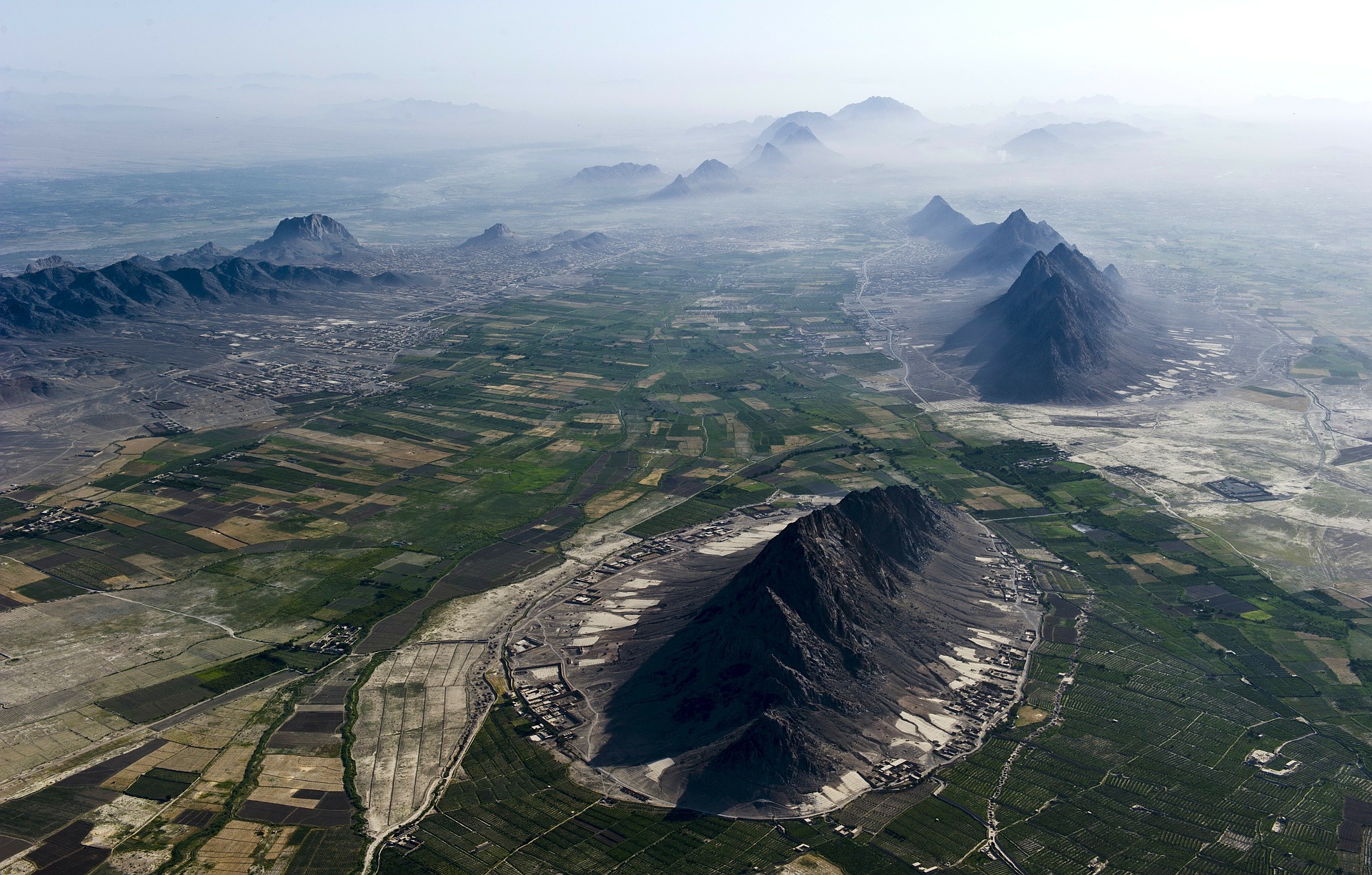
Afghanistan holds Silk Road cities, Islamic architecture and the mountains of the Hindu Kush, but the UK, the US and Canada all advise against all travel there.
Afghanistan is a landlocked, mountainous country between Central and South Asia, crossed for millennia by the trade routes of the Silk Road. Its sights cover every era: the empty niches of the Buddhas of Bamiyan, the turquoise lakes of Band-e Amir, the tiled Blue Mosque of Mazar-e Sharif, the old city of Herat and the remote Minaret of Jam. Foreign visitors are often welcomed with great hospitality.
The United Kingdom, the United States and Canada advise against all travel to Afghanistan (October 2026). Their advice lists terrorism, kidnapping and arbitrary detention of foreigners, and neither the UK nor Canada has an embassy able to help in person. Foreign tourists can no longer sightsee independently: visits go through licensed tour operators or registered guides, with a permit for each province. Read the official advice before you make any plan.
- Bamiyan: A UNESCO-listed valley with the niches of the destroyed Buddhas, monastic caves and two ruined fortresses.
- Band-e Amir: A chain of deep blue lakes at about 2,900 m in the Hindu Kush, not far from Bamiyan.
- Mazar-e Sharif: The northern city of the Blue Mosque, covered in tilework.
- Herat: The western city near Iran, with the Great Mosque and its Timurid mosaics, and an ancient citadel.
- Minaret of Jam: A 65 m brick tower of the 12th century in a remote valley of Ghor province, on UNESCO's danger list.
- Kabul: The capital, with the Babur Gardens, the National Museum and the old markets.
Places to visit
- City
- Park
- Mountain
- Historic site
- Area
Cities
- Kabul: The capital and largest city, in the east. The UK warns that terrorists target hotels used by foreigners, such as the Serena.
- Herat: The gateway to Iran in the west, with a strong Persian influence and several historic sites.
- Mazar-e Sharif: Home to the tiled Blue Mosque and the base for trips towards Uzbekistan.
- Balkh: The capital of ancient Bactria, now largely in ruins, with the Green Mosque and the 9th-century Haji Piyada Mosque.
- Bamiyan: The valley of the destroyed Buddhas, with caves and fortresses around it. In May 2024 three Spanish tourists on a guided tour were killed in a shooting here.
- Ghazni: A city in the south-east, on the road between Kabul and Kandahar.
- Jalalabad: An eastern city between Kabul and the Khyber Pass.
- Kandahar: The main city of the south, known as a very conservative place.
- Kunduz: A large city in the north-east, near the crossing to Tajikistan.
Beyond the cities
- Band-e Amir National Park (park): Lakes of intense blue water among dry mountains; Canada says women are banned from the park.
- Minaret of Jam (site): A 12th-century minaret far off the beaten track, reachable from Herat.
- Panjshir Valley (area): A trekking area that leads towards the Anjuman Pass.
- Salang Pass (mountain): A high pass and tunnel on the road from Kabul to the north.
- Nuristan (area): An isolated mountain area with a culture of its own.
- Wakhan (area): The remote north-eastern corridor of high mountains and Pamir communities.
Regions
- East Afghanistan: Kabul, Jalalabad and the mountain valleys of Panjshir and Nuristan.
- Northeast Afghanistan: Kunduz and the Wakhan Corridor.
- Northwest Afghanistan: Mazar-e Sharif and Balkh, near the border with Uzbekistan.
- West Afghanistan: Herat and the route towards the Minaret of Jam.
- South Afghanistan: Kandahar and the desert south of it.
Things to do
See
- The Bamiyan Valley Bamiyan: The empty sandstone niches of the Buddhas, the monastic caves and the citadels of Shahr-e Gholghola and Shah-e Zohak.
- The lakes of Band-e Amir Band-e Amir National Park: Connected lakes of intense blue water set against dry, sandy mountains.
- The Blue Mosque Mazar-e Sharif: The tiled mosque at the heart of the city's life.
- The Great Mosque and the Citadel Herat: Timurid mosaics, and city views from the old citadel.
- Babur Gardens Kabul: Terraced gardens around the tomb of the first Mughal emperor.
- National Museum of Afghanistan Kabul: Ancient objects from the country's long history.
Shop
- Chicken Street and the Bird Market Kabul: Old rugs and lapis lazuli jewellery, and a narrow market of traditional life.
- Carpets: Afghanistan's best-known product; haggle hard, and ask for the export permit needed for valuable pieces.
Climate and best time to visit
| Jan | Feb | Mar | Apr | May | Jun | Jul | Aug | Sep | Oct | Nov | Dec | |
|---|---|---|---|---|---|---|---|---|---|---|---|---|
| Max °C | 5 | 6 | 13 | 19 | 24 | 30 | 32 | 32 | 29 | 22 | 15 | 8 |
| Min °C | -7 | -6 | 1 | 6 | 9 | 12 | 15 | 14 | 9 | 4 | -1 | -5 |
| Rain mm | 34 | 60 | 68 | 72 | 23 | 1 | 6 | 2 | 2 | 4 | 19 | 22 |
Kabul lies high and has cold winters and hot, dry summers. In January the average maximum is about 5 °C and nights fall to around -7 °C; in July and August the average maximum is about 32 °C. Most rain falls between February and April, while June to October is almost dry. Lower areas such as Jalalabad and Mazar-e Sharif can pass 50 °C in summer, and the central highlands stay below freezing for most of the winter, with snow that blocks roads and brings a risk of avalanches.
In Kabul the most pleasant months are April, May and September.
Getting there and around
| Main airports | KBL |
|---|---|
| International driving permit | Required |
Getting there
By air: Kabul International Airport is the main way in. Flydubai, Etihad and Turkish Airlines fly there; the Afghan airlines Ariana and Kam Air also operate. The UK government says Kabul airport does not meet international aviation safety standards, and Afghan airlines are on the UK Air Safety List.
By land: a number of border crossings are not open, and borders can close without notice. Wikivoyage lists the crossing from Mashhad in Iran to Herat and from Termez in Uzbekistan to Mazar-e Sharif as open to foreigners, and the road from Quetta to Kandahar as closed to them.
Getting around
Foreign visitors need a permit for each province they visit, checked at police posts. In 2025 it cost about 1,000 AFN (afghani) per area, and the authorities expect you to travel with a guide or translator: a licensed tour operator usually arranges both. Ariana and Kam Air fly between Kabul, Herat, Mazar-e Sharif and Kandahar.
Over 90% of roads are dirt or gravel tracks that turn to mud in rain and snowmelt, and the main highways, including the one through the Salang Tunnel, close at times for works. Checkpoints stand on all roads. If you drive, Canada says you must carry an International Driving Permit. Taxis have no meters, so agree the fare before you get in. Women may not travel more than 72 km without a male relative, according to the UK government.
Where to stay
- International hotels in Kabul: High-end hotels with heavy security and their own generators.
- Mid-range local hotels: In provincial capitals such as Herat, Mazar-e Sharif and Jalalabad; security varies a lot.
- Homestays and teahouses (chaikhana): The only option in rural valleys and on routes such as Wakhan or Bamiyan: floor mattresses, shared latrines, no running water.
Accommodation for foreigners is regulated by the Ministry of Information and Culture, and hotels and guesthouses usually need an official clearance letter before they check you in. Power cuts happen every day, so a place with its own generator is worth paying for. Stable wifi is rare outside the better hotels in Kabul, and hot water is often available only at certain hours.
Eat and drink
Dishes to try
- Kabuli pulao: The national dish: baked rice with lamb, carrots, raisins and sometimes nuts.
- Mantu: Steamed dumplings filled with beef and onion, topped with yogurt and tomato sauce.
- Ashak: Leek-filled dumplings from Kabul, served with garlic yogurt and spiced minced meat.
- Kebab: Usually lamb, sold in restaurants and street stalls and eaten with naan.
- Qorma: Onion-based stews served with rice; there are dozens of versions.
- Bolani: A filled flatbread cooked on a griddle.
Drinks
- Green tea (chai-e sabz): Drunk all day, often with cardamom and without sugar.
- Sheer chai: Sweet milk tea with cardamom.
- Doogh: A cold, salty yogurt drink with dried mint.
Tea is the heart of hospitality, and refusing a cup can read as refusing the host's goodwill. Alcohol is illegal and importing it is a serious offence. Do not drink tap water: use sealed bottled water, also for brushing your teeth. During Ramadan, eating or drinking in public during daylight hours is forbidden.
Entry requirements and visas
| Passport validity | At least 6 months from the date you enter, according to the Canadian government |
|---|
| Passport | Entry | Max stay | Notes |
|---|---|---|---|
| United Kingdom | Visa required | The Afghan embassy in London is closed. | |
| Canada | Visa required | Tourist, business and student visas are all required. |
Other nationalities: check the official source below.
All visitors need a visa arranged in advance. Visas from embassies that do not cooperate with the current authorities may not be accepted.
Canada warns that you may be refused entry with an Israeli visa or stamp in your passport, or with an Egyptian or Jordanian stamp from a border crossing with Israel. On departure the authorities may ask for proof of a polio vaccination. You may not carry more than USD 5,000 in cash through airports or USD 500 through land borders. Alcohol, pork, drugs and drones (without permission) are banned. Rules can change without notice: check with the authorities before you travel.
Money and payments
| Currency | Afghan Afghani (AFN) |
|---|---|
| Cards | Limited |
The currency is the afghani (AFN, ؋). Afghanistan runs on cash, and Canada says credit cards are not widely accepted. Wikivoyage reports that local rules require daily purchases to be paid in afghani, not in US dollars or Pakistani rupees, while Canada says US dollars are accepted but worn notes may be refused. Cash limits apply when you enter and leave (USD 5,000 at airports, USD 500 at land borders), so you may have to change dollars at the border. There are ATMs in the main cities, but very few or none in rural areas. The UK says some ATMs and many banks take foreign cards, with limits on how much you can withdraw, but your card may not work. The UK government warns of kidnappings targeting people withdrawing money from banks and ATMs.
Health
| Required vaccines | Polio: the authorities may ask for a certificate on departure; stays over 4 weeks may need a recent dose |
|---|---|
| Recommended vaccines | Routine vaccines, including measles (MMR), Hepatitis A, Hepatitis B, Typhoid, for most travellers, Cholera, for travellers going to areas with active transmission, Rabies: ask a travel clinic, Polio booster for adults, Mpox, for travellers at risk of sexual exposure |
| Malaria | Some areas |
| Tap water | Not safe |
Medical facilities are very limited and serious shortages of some medicines are reported, so bring what you need and get insurance that covers evacuation. In Kabul the ambulance number is 102; each province has its own. Check vaccines with a travel health professional at least 6 to 8 weeks before you go. Malaria is a risk in some areas and at some times of year, rabies is common, and altitude sickness is a risk in the mountains.
Drink only sealed bottled water and prefer hot, freshly cooked food. Dust and diesel fumes are heavy even in the cities: a face mask helps.
This is general information, not medical advice: check with a travel health professional before you go.
Safety
- United States: Level 4: Do Not Travel (2026-10-20)
- Canada: Avoid all travel (2026-10-20)
- United Kingdom: Advises against all travel (2026-10-20)
The UK, US and Canadian governments all advise against all travel to Afghanistan; the UK adds that this applies to organised tours too. They warn of a very high risk of terrorist attacks, in places foreigners use such as hotels and restaurants, of kidnapping for ransom, and of foreigners being detained for months without clear charges. There is no British or Canadian embassy able to help in person. Tensions with Pakistan have led to clashes in border areas.
Strict laws apply to everyone: dress codes for men and women, a ban on alcohol and drugs, severe penalties for same-sex relations and for religious activities seen as suspicious. Do not photograph sensitive sites. Landmines and unexploded ordnance remain across the country: stay on well-used paths. Earthquakes are common.
Customs and etiquette
Afghanistan is an Islamic country and its laws on behaviour are strictly enforced. Women, including foreigners, must cover body, arms, legs, hair and face in public; men must dress modestly and avoid shorts and sleeveless shirts. Remove your shoes in religious buildings, and ask before entering a mosque, as most are closed to non-Muslims. During Ramadan, do not eat or drink in public in daytime. You could be arrested if you use or bring in drugs, alcohol or pork products, and same-sex relations are illegal. Trying to convert someone from Islam is illegal and harshly punished, and criticising the authorities, including on social media, can lead to arrest.
Hospitality matters a great deal. If you are invited home, accept the tea and food you are offered, leave a little on your plate and praise the cooking. Never photograph people, above all women, without permission. Photographing government buildings, military sites, palaces or Taliban checkpoints is not allowed and may lead to detention. Buy antiquities only with a receipt from an authorised dealer: without it you could be detained when you leave. Avoid criticising anyone in public, losing your temper, or bringing up politics, religion and family: they can put your hosts in a difficult position.
Language
| Official languages | prs, Pashto |
|---|---|
| English | Rare |
What to pack
- Loose, covering clothes: Dress codes are enforced; women must also cover hair and face in public.
- Prescription medicines with the doctor's prescription: Many medicines are scarce, and customs allow only personal quantities with a prescription.
- Proof of polio vaccination: The authorities may ask for it when you leave.
- Face mask: Dust and diesel pollution are heavy, even in the cities.
- Plug adapter: European Schuko sockets are the most common, alongside older British types; supply is erratic.
- Cash within the limits: Afghanistan runs on cash, and you may carry at most USD 5,000 through airports and USD 500 through land borders.
Quick reference
Country facts
| Capital | Kabul |
|---|---|
| Population | 43,844,111 (2025) |
| Area | 652,230 km² |
| Time zone | Asia/Kabul (UTC+4.5) |
| Calling code | +93 |
| Driving side | right |
Staying connected
| SIM and eSIM | SIM cards are on sale; Roshan is the most reliable network around Kabul and Afghan Wireless covers all provinces. Outside the main cities only satellite phones work. |
|---|---|
| Wi-Fi | Rare outside the better hotels in Kabul. The authorities have blocked, slowed or shut down internet and phone services without warning, nationwide or locally: the UK advises not to rely on mobile data for your safety. |
Emergency numbers
| Emergency | 119 (police) |
|---|---|
| Police | 119 or 100 |
| Ambulance | 102 (Kabul) |
| Fire | 112 |
Frequently asked questions
Is it safe to travel to Afghanistan?
The UK, the US and Canada all advise against all travel to Afghanistan because of terrorism, kidnapping and the risk of detention. Read their advice before any plan.
Do I need a visa for Afghanistan?
Yes, all visitors need one in advance. Check the rules with the authorities before you travel.
Can I travel around Afghanistan on my own?
No. Foreign tourists need a permit for each province and must go with a licensed tour operator or a registered guide.
Can I drink the tap water in Afghanistan?
No. Use sealed bottled water, also for brushing your teeth.
What currency is used in Afghanistan?
The afghani (AFN). Afghanistan runs on cash and cards are not widely accepted. There are limits on the cash you can carry through airports and land borders.
When is the best time to visit Kabul?
April, May and September have the most pleasant weather. Winters are below freezing and summers are hot and dry.
More Travel Stories from Asia
 Cambodia
Sources This guide was last checked on · 16 sources
- Wikivoyage: Afghanistan · Overview, Places to visit, Things to do, Climate and best time to visit, Getting there and around, Where to stay, Eat and drink, Entry requirements and visas, Money and payments, Health, Safety, Customs and etiquette, Language, What to pack, Staying connected, Frequently asked questions
- Wikidata: Afghanistan · Overview, Places to visit, Money and payments, Country facts
- UK FCDO: Afghanistan warnings and insurance (updated 30 July 2026) · Overview, Getting there and around, Safety, Frequently asked questions
- Government of Canada: Afghanistan travel advice (updated 14 October 2026) · Overview, Places to visit, Getting there and around, Entry requirements and visas, Money and payments, Health, Safety, Customs and etiquette, Emergency numbers, Frequently asked questions
- US Department of State: Afghanistan travel advisory · Overview, Safety
- UK FCDO: Afghanistan safety and security · Places to visit, Getting there and around, Money and payments, Safety, Customs and etiquette, What to pack, Staying connected
- WMO World Weather Information Service: Kabul · Climate and best time to visit, Frequently asked questions
- UK FCDO: Afghanistan entry requirements · Entry requirements and visas, Money and payments, Health, What to pack, Frequently asked questions
- ISO 4217 (SIX), published 2026-09-17 · Money and payments
- UK FCDO: Afghanistan health · Health, What to pack, Emergency numbers
- US CDC: Travelers' health, Afghanistan · Health
- UK FCDO: Afghanistan travel advice · Safety
- World Bank, SP.POP.TOTL · Country facts
- World Bank, AG.LND.TOTL.K2 · Country facts
- IANA Time Zone Database, zone.tab · Country facts
- UK FCDO: Afghanistan getting help · Emergency numbers
Suggest an update
Travel rules, prices and timetables change. If something in this guide is out of date, tell us: we check every suggestion against an official source before changing the page.