

- Local time
- 13:21
- Currency
- Hong Kong Dollar (HKD)
- Calling code
- +852
- Drive on the
- left
Overview
Hong Kong packs skyscrapers, the view from Victoria Peak, dim sum and street markets into a compact city, with country parks and outlying islands close by. Most Western visitors need no visa.
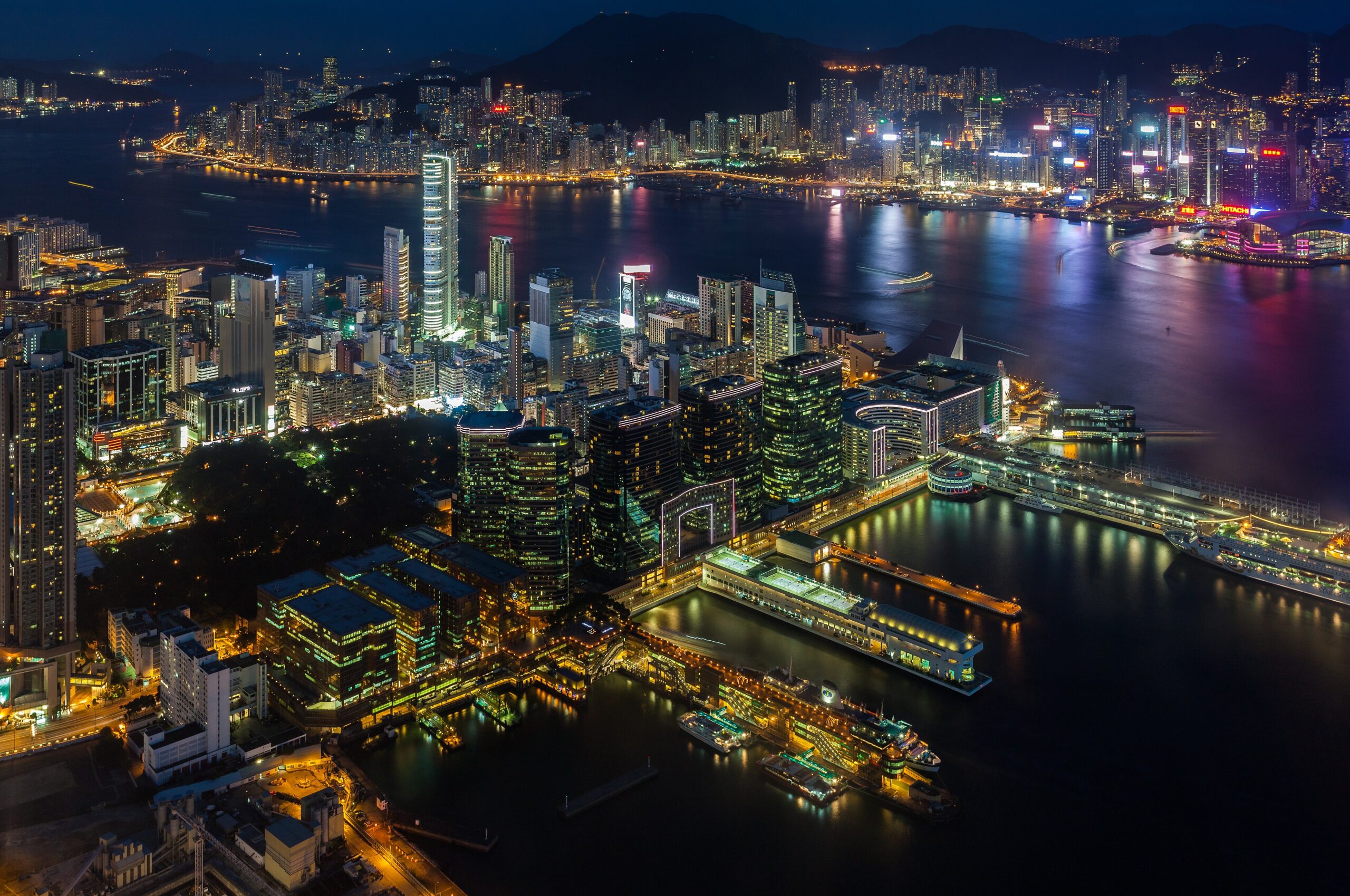
Hong Kong is a city of many personalities: mainly Chinese, with a clear British legacy, and a global financial centre that has drawn visitors for more than a century. The classic sights are on Hong Kong Island, with the skyscrapers and colonial buildings of Central and the view from Victoria Peak, and across the harbour in Kowloon, with the waterfront of Tsim Sha Tsui and the street markets of Mong Kok. Food is a reason to come in itself, from dim sum to the fusion fast food of the cha chaan teng.
Beyond the city, much of the territory is country park: mountains, rocky islands and beaches. Lantau Island has the Tian Tan Buddha, reached by the Ngong Ping cable car, and islands such as Lamma and Cheung Chau are weekend escapes known for seafood. Hong Kong is part of China but keeps its own immigration, currency and laws, and the MTR makes getting around easy. Autumn, from September to November, is the most comfortable season.
- Victoria Peak: The classic view over the harbour, reached by the historic Peak Tram.
- Central: Skyscrapers and colonial buildings at the heart of Hong Kong Island.
- Tsim Sha Tsui: Kowloon's waterfront, with the Avenue of Stars and views of the island.
- Tian Tan Buddha: The great bronze Buddha on Lantau Island, by the Ngong Ping cable car.
- Dim sum: Cantonese small dishes for breakfast and lunch, served with tea.
- The outlying islands: Lamma and Cheung Chau, for seafood and a slower pace.
Places to visit
- Island
- Mountain
- Historic site
- Area
- District
Beyond the cities
- Central (district): The centre of finance and government, with the tallest towers and the main colonial buildings.
- Victoria Peak (mountain): The highest point on Hong Kong Island, with the best views.
- Tsim Sha Tsui (district): Kowloon's waterfront district of budget hotels, upscale shops and harbour views.
- Mong Kok (district): A crowded shopping district in Kowloon.
- Lantau Island (island): A large island of mountains and beaches, with the airport and Disneyland.
- Tian Tan Buddha (site): A giant bronze Buddha at Ngong Ping, on Lantau.
- Lamma Island (island): An outlying island known for its seafood.
- Cheung Chau (island): A small island of seafood restaurants, windsurfing and day trippers.
- Sai Kung (area): A district of the New Territories, with a seafood street and live fish tanks.
Regions
- Hong Kong Island: The original British settlement, the centre of finance and government, and the Peak.
- Kowloon: The peninsula facing the island: malls, street markets and some of the densest neighbourhoods in the world.
- New Territories: Villages, small farms, towns and mountainous country parks.
- Lantau Island: Mountains and beaches, the airport, Disneyland and the Ngong Ping cable car.
- Outlying Islands: Weekend escapes such as Lamma and Cheung Chau.
Things to do
See
- Avenue of Stars Tsim Sha Tsui: A seaside promenade honouring Hong Kong cinema, with views across the harbour.
- Tian Tan Buddha and the cable car Lantau Island: Ride the Ngong Ping cable car to the great bronze Buddha.
Do
- The Peak Tram Victoria Peak: A steep historic tramway up to the Peak; queues can be long, and buses and minibuses are a cheaper alternative.
- A ride on the trams Hong Kong Island: Double-decker "ding ding" trams along the north shore; sit upstairs for the view.
- Horse racing: Races on Wednesdays and weekends, except from mid-July to mid-September.
- Clockenflap: Hong Kong's largest music festival, in November on the Central Harbourfront.
Eat
- Dim sum: Shrimp dumplings, char siu buns and rice noodle rolls, at breakfast and lunch.
- A cha chaan teng: Local cafés serving milk tea, egg tarts and East-West fusion dishes.
- Seafood on the islands Lamma, Cheung Chau, Sai Kung: Pick from live tanks in seafood restaurants.
After dark
- Nightlife Lan Kwai Fong, Wan Chai, Knutsford Terrace: The three main drinking areas; some clubs have dress codes.
Itineraries
Four days in Hong Kong (4 days)
- Central (2 nights): The Peak Tram, the trams of the north shore and the towers of Central.
- Tsim Sha Tsui (1 night): The harbour front and the markets of Mong Kok.
- Lantau Island (1 night): The cable car to the Tian Tan Buddha.
Islands and seafood in 3 days (3 days)
- Lamma Island (1 night): Seafood and a slower pace.
- Cheung Chau (1 night): Beaches and windsurfing.
- Sai Kung (1 night): The seafood street of the New Territories.
Holidays and events
- 1 January 2026 · New Year's Day
- 17 February 2026 · Lunar New Year
- 18 February 2026 · Second day of Lunar New Year
- 19 February 2026 · Third day of Lunar New Year
- 3 April 2026 · Good Friday
- 4 April 2026 · Holy Saturday
- 6 April 2026 · Ching Ming Festival
- 7 April 2026 · Easter Monday
- 1 May 2026 · Labour Day
- 25 May 2026 · Buddha's Birthday
- 19 June 2026 · Dragon Boat Festival
- 1 July 2026 · Hong Kong Special Administrative Region Establishment Day
- 26 September 2026 · Day following the Mid-Autumn Festival
- 1 October 2026 · National Day
- 19 October 2026 · Chung Yeung Festival
- 25 December 2026 · Christmas Day
- 26 December 2026 · Boxing Day
Getting around
| Main airports | HKG |
|---|
The MTR is the fastest way to get around: clean, safe and affordable, with signs in Chinese and English. Buy an Octopus card, a prepaid card for the MTR, buses, trams, minibuses and ferries that also works in many shops. Double-decker buses reach almost everywhere, and the trams of Hong Kong Island are a cheap way to sightsee.
Taxis come in three colours, red, green and blue; when in doubt, take a red one. Seat belts are compulsory, and drivers can be rude or overcharge, so keep the receipt. Eating and drinking are strictly prohibited on the MTR.
Flying to Hong Kong? PartnerCompare fares and find the cheapest datesSearch flightsWhere to stay
- Hotels: Over 50,000 rooms, from luxury to basic; prices are closer to London or New York than to the rest of Asia.
- Guesthouses: Tiny budget rooms along Nathan Road, for example in Chungking Mansions; read reviews, as bed bugs have been reported.
- Hostels: Dorm beds, with very little space.
| Tourist tax | A 3% hotel accommodation tax is added to the room price. |
|---|
Space is the real luxury: cheap rooms often have just enough room for the bed. Budget on Hong Kong being one of the more expensive places to sleep in Asia.
Eat and drink
Dishes to try
- Dim sum: Steamed shrimp dumplings (har gau), char siu buns and rice noodle rolls, with tea.
- Wonton noodles: Prawn dumplings in a noodle soup.
- Congee: Rice porridge, often for breakfast.
- Cha chaan teng dishes: Hong Kong-style French toast, macaroni soup with ham, baked rice with cheese.
- Egg tarts: A café classic.
Drinks
- Hong Kong milk tea: Strong tea filtered through a cloth bag, known as "silk-stocking" milk tea.
- Iced lemon tea: The summer favourite.
- Chinese tea: Served in practically every eatery.
| Tipping | Not customary. Mid-range and upmarket restaurants add a 10% service charge; Chinese restaurants may charge a little for tea and towels. Round up taxi fares. |
|---|
Hong Kong food is close to that of neighbouring Guangdong, with British touches such as cakes and pastries, and cuisines from all over China and the world. Alcohol is expensive: half a pint of beer cost about HK$70 in a bar in 2025.
Entry requirements and visas
| Passport validity | At least 1 month after the date you leave Hong Kong |
|---|
| Passport | Entry | Max stay | Notes |
|---|---|---|---|
| United Kingdom | Visa free | 180 days | Up to 6 months without a visa for British citizens. |
| Canada | Visa free | 90 days | Up to 90 days without a visa. |
Other nationalities: check the official source below.
Hong Kong has its own immigration system, separate from mainland China: most Western visitors need no visa, but you need a Chinese visa for the mainland, and a multiple-entry one if you plan to go back and forth. Hong Kong no longer accepts BN(O) passports. All arrivals go through temperature screening, and Canada warns that officials may check the content of electronic devices, especially at the border with the mainland.
E-cigarettes and heated tobacco products may not be brought in, and since 30 April 2026 possessing one in a public place is illegal. CBD products are classed as dangerous drugs. You need a yellow fever certificate if you arrive from a country with yellow fever risk. Rules depend on your passport: check the official link before you book.
Money and payments
| Currency | Hong Kong Dollar (HKD) |
|---|
The currency is the Hong Kong dollar (HKD, $), pegged to the US dollar at between HK$7.75 and 7.85. Hong Kong dollars are also accepted in Macau at par. Big banks charge a fixed commission to change money; exchange stalls in tourist areas usually do not, but rates at the airport, stations and hotels are poor. The Octopus card pays for transport and for many small purchases.
Costs and budget
- Half a pint of beer in a bar (2025): about HK$70
- Hotel accommodation tax: 3% of the room price
- Emergency department visit for a tourist: HK$570
Accommodation is the big expense, with prices closer to London and New York than to the rest of Asia. Transport is cheap, and local cafés and dim sum restaurants cover every budget.
Health
| Required vaccines | Yellow fever: certificate if you arrive from a country with transmission risk |
|---|---|
| Recommended vaccines | Routine vaccines, including measles (MMR), Hepatitis A, Hepatitis B, Typhoid, Japanese encephalitis, for long stays in rural areas, Rabies: ask a travel clinic |
Medical care is excellent but expensive for visitors, who pay full cost; get insurance that covers it. Call 999 for an ambulance. Prescription medicines can be obtained only through a local doctor. Check vaccines with a travel health professional at least 6 to 8 weeks before you go; dengue and chikungunya occur.
Summer heat and humidity are intense, and heat stroke is common on hikes: carry water and rest often. The jump from 35 °C outside to air-conditioned malls can make you ill, so carry a sweater even in summer.
This is general information, not medical advice: check with a travel health professional before you go.
Safety
- United States: Level 2: Exercise Increased Caution (2026-10-20)
- Canada: Exercise a high degree of caution (2026-10-20)
- United Kingdom: No advice against travel (2026-10-20)
Hong Kong is one of the safest cities in the world: violent crime is low, though pickpockets work in crowds and on public transport. Do not leave drinks unattended. In country parks, stay on marked trails. Typhoons can hit from June to September, sometimes October.
Both the UK and Canada warn that the 2020 National Security Law and the 2024 Safeguarding National Security Ordinance can be interpreted broadly, apply to everyone and can cover statements made online or outside Hong Kong; people have been prosecuted for publishing criticism of the authorities. Protests are now rare: if you are near one, move away. You can be fined on the spot for littering, spitting or jaywalking.
Customs and etiquette
Hong Kong follows British habits on queues: never jump one, even to ask a question. Eating and drinking are banned on the MTR, talking loudly on the phone on public transport is frowned upon, and smokers are expected to ask before lighting up near others. Cover your mouth when coughing and wear a mask if you have a fever.
"Mm goi" is the all-purpose word for "excuse me" and "thank you". Take your shoes off when entering a home. Littering and spitting are fined.
Language
| Official languages | Chinese, English |
|---|---|
| English | Common |
| Excuse me / Thank you (for a service) | Mm goi |
|---|
What to pack
- Comfortable shoes: There are few benches, and you will spend most of the day on your feet.
- A light sweater: Air conditioning indoors is cold after the summer heat outside.
- Plug adapter for type G: Hong Kong uses British three-pin sockets at 220 V.
- No e-cigarettes or CBD products: Bringing them in is illegal.
- Water and sun protection for hikes: Heat stroke is common on the trails.
Quick reference
Country facts
| Population | 7,498,900 (2025) |
|---|---|
| Area | 1,050 km² |
| Time zone | Asia/Hong_Kong (UTC+8) |
| Calling code | +852 |
| Driving side | left |
Electricity and plugs
| Plug types | G |
|---|---|
| Voltage | 220 V |
| Frequency | 50 Hz |
Staying connected
| Roaming | Unlike mainland China, most websites, including Google and Facebook, work in Hong Kong, although some sites critical of the government have been blocked. |
|---|---|
| Wi-Fi | The free government network Wi-Fi.HK has hotspots across the city. |
Useful apps
- Octopus: Prepaid card for transport and small purchases
Emergency numbers
| Emergency | 999 |
|---|
Frequently asked questions
Do I need a visa for Hong Kong?
Not for UK citizens (up to 6 months) or Canadians (up to 90 days). A separate Chinese visa is needed for the mainland. Check the official link before you book.
Do Google and Facebook work in Hong Kong?
Yes. Unlike mainland China, most foreign websites work, although some sites critical of the government have been blocked.
What is the Octopus card?
A prepaid card for the MTR, buses, trams, ferries and many shops, sold at the airport.
Do I need to tip in Hong Kong?
No. Many restaurants add a 10% service charge, and people round up taxi fares.
When is the best time to visit Hong Kong?
Autumn, from September to November, is the most comfortable. Summer is hot and humid, with typhoons possible from June to September.
What plugs does Hong Kong use?
British type G three-pin sockets, at 220 V and 50 Hz.
Sources This guide was last checked on · 15 sources
- Wikivoyage: Hong Kong · Overview, Places to visit, Things to do, Itineraries, Getting around, Where to stay, Eat and drink, Entry requirements and visas, Money and payments, Costs and budget, Health, Safety, Customs and etiquette, Language, What to pack, Electricity and plugs, Staying connected, Frequently asked questions
- Wikidata: Hong Kong · Overview, Places to visit, Money and payments, Country facts, Electricity and plugs
- Nager.Date: public holidays in Hong Kong, 2026 · Holidays and events
- UK FCDO: Hong Kong entry requirements · Getting around, Entry requirements and visas, Health, What to pack, Frequently asked questions
- Government of Canada: Hong Kong travel advice (updated 14 October 2026) · Entry requirements and visas, Health, Safety, Frequently asked questions
- ISO 4217 (SIX), published 2026-09-17 · Money and payments
- UK FCDO: Hong Kong health · Health
- US CDC: Travelers' health, Hong Kong · Health
- US Department of State: Hong Kong travel advisory · Safety
- UK FCDO: Hong Kong travel advice · Safety
- UK FCDO: Hong Kong safety and security · Safety, Customs and etiquette, Frequently asked questions
- World Bank, SP.POP.TOTL · Country facts
- World Bank, AG.LND.TOTL.K2 · Country facts
- IANA Time Zone Database, zone.tab · Country facts
- UK FCDO: Hong Kong getting help · Emergency numbers
Suggest an update
Travel rules, prices and timetables change. If something in this guide is out of date, tell us: we check every suggestion against an official source before changing the page.