

- Local time
- 09:52
- Currency
- Singapore Dollar (SGD)
- Capital
- Singapore
- Calling code
- +65
- Drive on the
- left
Overview
A small, multicultural city-state with hawker food, big gardens and easy public transport. A good stopover or a base for Southeast Asia.
Singapore is a country of about six million people on a small island, and after Monaco it is the most densely populated country in the world. Even so, more than half of its area is green, with over 50 major parks and four nature reserves. Modern Singapore began as a British trading post in 1819 and became independent on 9 August 1965. Chinese, Malay, Indian and Eurasian communities live side by side, and you can cross the whole country in about an hour. English is the most common of the four official languages, so getting around is easy.
For many visitors the food is the main reason to come: hawker centres serve Chinese, Malay and Indian dishes at low prices, and every stall displays a hygiene grade. Rules are strict in general too. Drug offences carry very heavy penalties, vapes are banned, and eating or drinking on the metro brings a fine, so read the safety advice before you go. It is hot and humid all year, with rain almost every day. Most of Southeast Asia's main destinations are under two hours away by plane.
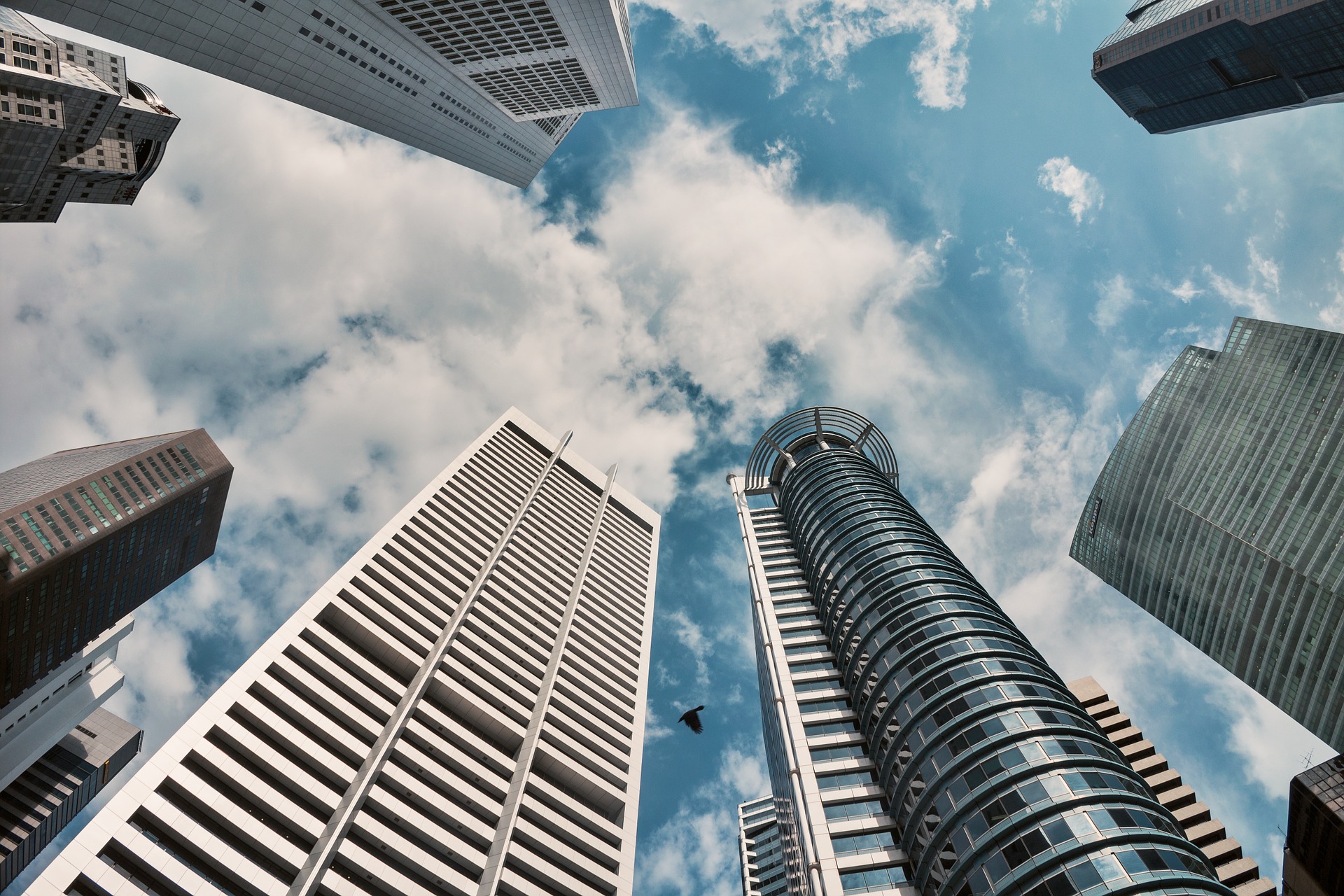
- Marina Bay: The skyline, Marina Bay Sands and the Gardens by the Bay.
- Hawker centres: The cheapest and most popular places to eat, with every stall graded for hygiene.
- Chinatown, Little India and Kampong Glam: Historic Chinese, Indian and Malay quarters with temples, the Masjid Sultan, shophouses and food stalls.
- Singapore Botanic Gardens: The country's only UNESCO World Heritage Site.
- Mandai: The Singapore Zoo, the Night Safari, Bird Paradise and River Wonders.
- Sentosa and Pulau Ubin: Resort beaches in the south and a rural island off the north-east coast.
Places to visit
- City
- Coast
- Island
- Park
- Historic site
- District
Cities
- Singapore: A city-state: the city and the country are the same, and every place in this guide is a short trip from the centre.
Beyond the cities
- Riverside (Civic District) (district): The colonial core along the Singapore River, with museums, theatres and the bars and restaurants of Boat Quay and Clarke Quay.
- Marina Bay (district): The modern skyline: Marina Bay Sands, the Gardens by the Bay, the Singapore Flyer and the Esplanade theatres.
- Chinatown (district): The Chinese heritage quarter, with restored shophouses, the Sri Mariamman Temple and cocktail bars on Keong Saik Road.
- Little India (district): The Indian quarter north of the centre, with the Tekka Centre food stalls and Mustafa, open until 2 am.
- Kampong Glam (district): The old Malay district near Bugis, around Arab Street and the Masjid Sultan mosque, busiest at night.
- Orchard Road (district): Air-conditioned shopping malls one after another, with most of the luxury brands.
- Katong (district): An East Coast neighbourhood of Peranakan and Eurasian culture and the home of Katong laksa.
- Balestier (district): Budget hotels and the Burmese Buddhist Temple, close to the centre.
- Sentosa (island): A former military island turned resort, with three beaches, Universal Studios and a casino.
- Pulau Ubin (island): A small island off the north-east coast, reached by bumboat, the last piece of rural Singapore.
- Gardens by the Bay (park): Futuristic gardens behind Marina Bay Sands.
- Singapore Botanic Gardens (park): The only UNESCO World Heritage Site in Singapore.
- Bukit Timah Nature Reserve (park): Real rainforest, with more plant species than the whole of North America and wild monkeys.
- Southern Ridges (park): A walk of about 9 km through the hills and forest of the south, with the 36 m high Henderson Waves bridge.
- East Coast Park (coast): Over 15 km of seafront for swimming, cycling and barbecues, close to the seafood restaurants of the East Coast.
- Singapore Zoo (Mandai) (site): The Mandai Wildlife Reserve in the north: the zoo, the Night Safari, Bird Paradise and River Wonders.
Regions
- Riverside (Civic District): Museums, statues and theatres of the colonial core, with restaurants and nightlife along the river.
- Orchard Road: The shopping street, with the Bras Basah arts district at its eastern end.
- Marina Bay: Marina Bay Sands, the Gardens by the Bay, the Marina Barrage, the Singapore Flyer and the Esplanade.
- Bugis and Kampong Glam: The old Malay district, good for shopping by day and lively at night.
- Chinatown: The area Raffles set aside for Chinese settlers, now a heritage quarter with restored shophouses.
- Little India: The Indian quarter just north of the city centre.
- Sentosa and Harbourfront: The resort island, Mount Faber, the Southern Ridges and the Southern Islands reached by ferry.
- East Coast: Mostly residential, with Changi Airport, long beaches, famous eateries, Geylang Serai and Pulau Ubin.
- North and West: The residential and industrial areas of Woodlands and Jurong, and the Mandai zoos.
- Balestier, Newton, Novena and Toa Payoh: Budget hotels and Burmese temples, and Toa Payoh, one of the first planned housing estates.
Things to do
See
- Gardens by the Bay Marina Bay: Futuristic gardens behind Marina Bay Sands; at the Mid-Autumn Festival they fill with lanterns.
- Singapore Botanic Gardens: The only UNESCO World Heritage Site in the country.
- Mandai Wildlife Reserve North and West: The Singapore Zoo, the Night Safari, Bird Paradise and River Wonders; the Mandai Boardwalk along the reservoir is free.
- Places of worship Chinatown, Kampong Glam, Balestier: The Hindu Sri Mariamman Temple, the Masjid Sultan, the Burmese Buddhist Temple and the Kong Meng San Phor Kark See Monastery welcome visitors outside service times.
Do
- Walk the Singapore River Riverside (Civic District): From the Merlion past Boat Quay and Clarke Quay, then around Marina Bay; bumboats also cruise the river.
- Southern Ridges Walk Sentosa and Harbourfront: About 9 km through hills and forest, crossing the 36 m high Henderson Waves bridge; start early to beat the heat.
- Day trip to Pulau Ubin Pulau Ubin: Take a bumboat from Changi Point Ferry Terminal to the island closest to the rural Singapore of the past.
Eat
- Eat at a hawker centre Tiong Bahru Market, Old Airport Road, Lau Pa Sat: Locals rate the neighbourhood centres above the tourist ones. Queue at the stalls with lines, bring cash and return your tray.
Shop
- Orchard Road and food souvenirs Orchard Road: Malls with the luxury brands; the favourite souvenirs are food, such as bak kwa smoked pork, salted egg chips and pineapple tarts.
After dark
- The three quays at night Riverside (Civic District): Boat, Clarke and Robertson Quay hold most of the nightlife; some clubs stay open until morning. Friday is the big night.
Itineraries
Three days in the city centre (3 days)
- Riverside (Civic District) (3 nights): Your base: museums by day, the river walk and the quays in the evening.
- Marina Bay (0 nights): The Gardens by the Bay and the skyline.
- Chinatown (0 nights): Temples, shophouses and a hawker lunch.
- Little India (0 nights): The Tekka Centre and the shops.
- Kampong Glam (0 nights): Masjid Sultan and Arab Street in the evening.
- Singapore Botanic Gardens (0 nights): An early morning walk before the heat.
Green Singapore in 4 days (4 days)
- Riverside (Civic District) (4 nights): Base for the whole trip; every stop below is a day out by MRT, bus or boat.
- Southern Ridges (0 nights): The walk and the Henderson Waves bridge.
- Bukit Timah Nature Reserve (0 nights): Rainforest and monkeys; bring mosquito repellent.
- Singapore Zoo (Mandai) (0 nights): The zoo by day and the Night Safari after dark.
- Pulau Ubin (0 nights): Bumboat from Changi Point to rural Singapore.
- East Coast Park (0 nights): Finish with seafood and chilli crab on the East Coast.
Sentosa and the east in 3 days (3 days)
- Sentosa (2 nights): Siloso, Palawan and Tanjong beaches and Universal Studios.
- Southern Ridges (0 nights): Across the water from Sentosa, via Mount Faber.
- Katong (1 night): Peranakan and Eurasian culture and Katong laksa, on the side of the island with Changi Airport.
Climate and best time to visit
| Jan | Feb | Mar | Apr | May | Jun | Jul | Aug | Sep | Oct | Nov | Dec | |
|---|---|---|---|---|---|---|---|---|---|---|---|---|
| Max °C | 31 | 32 | 32 | 32 | 32 | 32 | 31 | 31 | 32 | 32 | 31 | 31 |
| Min °C | 24 | 25 | 25 | 25 | 26 | 26 | 25 | 25 | 25 | 25 | 25 | 24 |
| Rain mm | 222 | 105 | 152 | 164 | 164 | 135 | 147 | 147 | 125 | 168 | 252 | 332 |
Singapore lies just north of the Equator and has no real seasons: it is hot and humid all year. Days reach about 30 to 32 °C and nights stay around 24 to 26 °C. Rain falls on most days, usually in short, heavy showers and thunderstorms that rarely last more than an hour, so carry an umbrella for both sun and rain. The wettest period is the northeast monsoon from November to January, with about 332 mm of rain in December; February is the driest month, with about 105 mm.
You can visit at any time. February to May avoids both the wettest months and the haze: from June to October smoke from land-clearance fires in Indonesia can bring high pollution, which may also disrupt flights, so check the government's Pollutant Standards Index. The heat is tiring for visitors from colder countries: do as locals do and plan outdoor sightseeing for the early morning and the evening.
Holidays and events
- 1 January 2026 · New Year's Day
- 17 February 2026 · Chinese New Year
- 18 February 2026 · Chinese New Year
- 21 March 2026 · Hari Raya Puasa
- 3 April 2026 · Good Friday
- 1 May 2026 · Labour Day
- 27 May 2026 · Hari Raya Haji
- 1 June 2026 · Vesak Day
- 10 August 2026 · National Day
- 9 November 2026 · Deepavali
- 25 December 2026 · Christmas Day
Getting there and around
| Main airports | SIN |
|---|
Getting there
By air: Changi Airport (SIN) handles all jet flights, with four terminals and the Jewel complex with the Rain Vortex indoor waterfall. A taxi or a Grab or Gojek ride to the city is the fastest option. The MRT takes about 45 minutes to the centre, with a change at Tanah Merah, and connecting trains run until about 11:15 pm. Singapore is a hub for flights across Asia and to Europe, Australia and North America.
From Malaysia: coaches take about 3 hours from Malacca, 5 from Kuala Lumpur and 10 from Penang; there is no central bus station, so check where your company leaves from, and book early for Friday and Sunday evenings and holidays. Public buses cross the Causeway to Johor Bahru, for example from Kranji MRT. At both border posts you get off with all your luggage: allow at least 30 minutes, and up to 2 hours at the end of long holidays. The Shuttle Tebrau train links Woodlands with JB Sentral in Johor Bahru; your passport is your ticket, and seats sell out at commuter times. Wikivoyage expects this service to end after a new cross-border rapid transit link opens in 2027. You cannot legally walk across the Causeway or the Second Link. By sea: ferries to the Indonesian islands of Batam and Bintan leave from HarbourFront and Tanah Merah ferry terminals; in September 2026 a one-way ticket to Batam cost about S$19 to 25.
Getting around
The MRT metro is cheap, fast and reaches most sights; buses fill the gaps and stop only on request, so flag them down. Pay by tapping a contactless Visa, Mastercard or American Express card, or your phone, at the start and the end of every ride: a small daily fee applies to foreign cards. You can also buy an EZ-link or NETS prepaid card at stations and 7-Eleven stores. Cash is not accepted on the MRT. Eating and drinking, even water, is banned on trains, buses and in stations, and fines are heavy. Taxis are metered and honest, but surcharges apply at peak times, from airports and for card payments; in the central business district they pick up only at taxi stands. Grab and Gojek are widely used. Bumboats cruise the Singapore River and run from Changi Point to Pulau Ubin; ferries to the southern islands leave from Marina South Pier.
You do not need a car. Traffic drives on the left and rules are strictly enforced. UK visitors can drive on their licence for 30 days, then need a 1949 International Driving Permit; Canada's advice says you must carry an international driving permit. Drink-driving brings prison sentences. Vehicles often do not give way to pedestrians, and jaywalking is illegal. Cyclists must wear a helmet on public roads.
Flying to Singapore? PartnerCompare fares and find the cheapest datesSearch flightsWhere to stay
- Hostels: Mainly in Little India, Bugis, Clarke Quay and the East Coast; some of the cheapest have bedbugs, so read reviews.
- Budget hotel chains: Small, clean rooms, many in Geylang, Balestier and Little India; in September 2026 Hotel 81 rooms started at S$69 for two.
- Mid-range and boutique hotels: Older functional hotels near the western end of the river, and boutique hotels in renovated shophouses there and in Chinatown.
- Luxury hotels: The Raffles Hotel and the international brands, clustered at Marina Bay and Orchard Road; Sentosa for a beach resort feel.
- Camping: Only at designated sites, with a free permit applied for at least 14 days ahead by someone with a Singapore ID.
Accommodation is expensive for Southeast Asia, and during the Formula One race or big conventions it can sell out completely. Wikivoyage suggests the Riverside as the best base, or Orchard Road if you came to shop. Advertised hotel rates usually exclude a 10% service charge and 9% GST: add about 19% to the price shown. Hotels must check your passport and electronic visit pass at check-in, so keep it saved offline or have mobile data. Short-term rentals of private homes, such as many listings on Airbnb, are illegal in Singapore.
Eat and drink
Dishes to try
- Hainanese chicken rice: Steamed or roasted chicken on rice cooked in chicken broth with ginger and garlic, with chilli sauce.
- Chilli crab: Whole crab in a thick, tangy chilli sauce, a speciality of the East Coast seafood restaurants; black pepper crab is the less messy option. Crab is sold at market price by weight, so ask first.
- Laksa: Rice noodles in a rich, spicy coconut curry broth with cockles or shrimp; the Katong version is milder.
- Char kway teow: Noodles fried in a thick, sweet soy sauce with fishcake, Chinese sausage and cockles or shrimp.
- Satay: Grilled skewers of chicken, mutton or beef with a spicy peanut sauce.
- Nasi lemak: The Malay breakfast: rice cooked in coconut milk with anchovies, peanuts, cucumber and sambal.
- Roti prata: Flaky fried flatbread dipped in curry, plain, with egg, or stuffed as murtabak.
- Kaya toast: Toast with egg and coconut jam, eaten with runny eggs and strong, sweet coffee for breakfast.
Drinks
- Kopi and teh: Coffee and tea usually come with sugar and condensed milk unless you ask: kopi-O kosong is black with no sugar, and peng means with ice.
- Teh tarik: Pulled, frothy milk tea from hawker centres and coffeeshops.
- Tiger beer: The local lager; alcohol is heavily taxed and expensive.
- Singapore Sling: The gin cocktail invented at the Long Bar of the Raffles Hotel in 1915, drunk mostly by visitors.
- Bubble tea: Sweet milky tea with tapioca pearls, sold in every mall.
| Tipping | Not expected. Restaurants and hotels often add a 10% service charge plus 9% GST, shown as ++ after the price; nett prices include everything. Never offer a tip or gift to a government employee: it counts as bribery. |
|---|
The cheapest and most typical place to eat is a hawker centre: every stall must display a hygiene grade from A to D, and food courts in malls serve the same dishes at higher prices with air conditioning. Many hawker and coffeeshop stalls do not take cards, so carry cash. Locals reserve a table by leaving a packet of tissues on it, and you must return your tray to the rack, or risk a fine. Old Airport Road Food Centre and Tiong Bahru Market are local favourites; Lau Pa Sat, Newton and Gluttons Bay are the most popular with tourists, but beware of pushy touts there.
Vegetarians eat well at Indian stalls and Chinese Buddhist vegetarian stalls, and halal food carries a MUIS certificate. A severe shellfish allergy is a problem, because shrimp paste is used in many dishes. It is illegal to drink alcohol in public places, outside licensed venues, from 10:30 pm to 7 am, and in Little India and Geylang public drinking is also banned all weekend and on public holidays. The legal drinking age is 18.
Entry requirements and visas
| Passport validity | At least 6 months after the date you arrive (UK and Canada advice); Canada says this also applies to passengers in transit |
|---|
| Passport | Entry | Max stay | Notes |
|---|---|---|---|
| United Kingdom | Visa free | Tourism or business. The immigration officer decides how long you can stay, normally between 30 and 90 days. | |
| Canada | Visa free | 30 days | Tourist visa not required for stays of up to 30 days; extensions may be approved by the Immigration and Checkpoints Authority. |
Other nationalities: check the official source below.
Many visitors enter Singapore without a visa, but everyone must complete the electronic SG Arrival Card in the 3 days before arrival, with travel details and a health declaration; a false declaration is illegal. Your iris, face and fingerprints are scanned when you enter and leave, and passports are no longer stamped: your terms of entry arrive by email. Officials may ask for a return or onward ticket and proof of funds. Since 30 January 2026, Canada notes, airlines can be told not to board travellers who were refused entry before, have less than 6 months on their passport or lack required vaccine documents. You need a yellow fever certificate if you arrive from, or recently passed through, a country with yellow fever risk. Overstaying can lead to fines, prison, caning and deportation.
Customs are strict. You can be tested for drugs on arrival, even in transit, and charged for drugs taken in another country. Vapes and e-cigarettes are banned, tobacco that is chewed or injected is illegal to bring in, and Wikivoyage reports that you cannot bring in cigarettes either. Chewing gum to sell, replica guns and many weapons are also prohibited. Some medicines, including sedatives and strong painkillers, need approval from the Health Sciences Authority before you travel. Wikivoyage reports that you must declare cash over S$20,000 or its equivalent. Rules depend on your passport and can change: check with the Singapore embassy or the official link before you book.
Money and payments
| Currency | Singapore Dollar (SGD) |
|---|---|
| Cards | Widespread |
The currency is the Singapore dollar (SGD, S$), and prices in shops are usually written simply with $. Cards are widely accepted, and contactless payment with Apple Pay or Google Pay is common: just ask to tap. The main exceptions are hawker stalls and coffeeshops, where you may need cash. ATMs of DBS, UOB and OCBC are in every mall and MRT station and work with the Plus and Cirrus networks. Brunei dollars are legally usable at par, but many small shops refuse them.
Money changers in shopping malls usually give better rates than banks; rates at the airport and ferry terminals are a little worse, and hotels and department stores give poor rates. Shop prices include the 9% GST, but restaurant and hotel prices marked ++ do not. Visitors can claim a GST refund on larger purchases in participating shops. Card and ATM fraud happens: cover the keypad, use ATMs in well-lit public areas or inside a bank or business, and check prices before you buy, since some shops overcharge foreigners.
Health
| Required vaccines | Yellow fever, only if you arrive from, or have transited for more than 12 hours through, a country with risk of yellow fever |
|---|---|
| Recommended vaccines | Routine vaccines, including measles (MMR), Hepatitis A, Hepatitis B, Typhoid, for long stays or visiting friends and relatives, Rabies, only for some activities: dogs with rabies are not common in Singapore, Japanese encephalitis, only for long stays: Canada rates the risk as very low, Mpox, for travellers at risk of sexual exposure |
| Malaria | None |
| Tap water | Safe |
There is no malaria, and tap water is safe to drink. Mosquitoes spread dengue, Zika and chikungunya, so use repellent, especially in the nature reserves. If you are pregnant, talk to your doctor about Zika before you go. Hand, foot and mouth disease is common and mainly affects young children. From June to October haze from fires in Indonesia can make the air unhealthy: follow the government's Pollutant Standards Index. See a travel health professional about vaccines at least 8 weeks before you leave.
Healthcare is of a high standard and English is spoken in all hospitals, but it is expensive and you pay up front, so get insurance that covers hospital stays and medical evacuation. For minor problems, general practitioners in shopping malls see patients without an appointment. Some medicines legal at home are controlled in Singapore: check with the Health Sciences Authority and carry your prescription. For an ambulance, call 995; you are charged for the call-out if it is not a real emergency.
This is general information, not medical advice: check with a travel health professional before you go.
Safety
- United States: Level 1: Exercise Normal Precautions (2026-10-20)
- Canada: Take normal security precautions (2026-10-20)
- United Kingdom: No advice against travel (2026-10-20)
Violent crime and theft are rare, but pickpocketing and bag snatching happen at airports, hotels, on public transport and in tourist areas: keep your passport secure and do not leave bags unattended. Online and phone scams are common, often by people posing as officials or bank staff. Scams based on false claims of molestation have also been reported. Terrorist attacks cannot be ruled out, so stay aware in crowded places. Flash floods occur in heavy rain, mainly in the November to January monsoon.
The biggest risk for visitors is breaking a law that is minor at home. Drug penalties are severe: possession of even small amounts can lead to prison, caning or the death penalty, including in transit at the airport. Littering brings on-the-spot fines and vandalism can be punished with caning. Drunk and disorderly behaviour can lead to arrest. Demonstrations need a police permit, and foreigners who are not permanent residents may not attend outdoor demonstrations at all, so keep away from gatherings. Displaying the flags of other countries in public is illegal without an exemption. Never offer money to an official. If you are arrested you may not be allowed to see a lawyer while you are questioned, and under investigation the police keep your passport. Same-sex sexual activity is legal, but same-sex marriages and partnerships are not recognised. The police may ask to see your passport at any time: carry ID.
Customs and etiquette
Singapore is relaxed about everyday manners: shorts, flip-flops and revealing clothes are fine almost everywhere except smart bars, government buildings and some clubs. People are more conservative than in the West about public affection, though: holding hands is fine, kissing in public is not, and women may not go topless even on the beach. Canada lists inappropriate displays of affection and foul language among acts that can bring a fine, prison or caning. In places of worship cover shoulders and knees and often take off your shoes; the big temples lend shawls and sarongs. In Chinese temples do not point at statues of deities with your index finger. During the Hungry Ghost Festival, leave the front row at street shows empty: it is kept for the spirits.
Take off your shoes when you enter a home. If you bring a gift, avoid white flowers, knives and clocks, and do not open a gift in front of the person who gave it. If you eat with your hands, use only the right one, and never stand chopsticks upright in rice. Saving face matters, so avoid pointing out other people's mistakes in public. Wikivoyage reports that making disparaging remarks against any ethnicity or religion is a criminal offence. You must be 21 to smoke. Smoking is banned in public parks, on all beaches and along Orchard Road, so smoke only in designated areas. During Ramadan, be discreet about eating, drinking and smoking in public in the daytime. Jehovah's Witness meetings, public or private, are illegal, and so is possessing any Jehovah's Witness publication, including their bible; the UK says similar measures apply to the Unification Church and the Shincheonji Church of Jesus.
Language
| Official languages | English, Malay, Chinese, Tamil |
|---|---|
| English | Widespread |
| Thank you | Terima kasih (Malay) TREE-muh KAH-seh |
|---|---|
| Please (asking for help) | Tolong (Malay) TOH-long |
| Yes / No | Ya / Tidak (Malay) YUH / TEE-dah |
| Excuse me | Maaf (Malay) mah-AHF |
| How are you? | Apa khabar? (Malay) AH-puh KAH-bar |
| Help! | Tolong! (Malay) TOH-lohng |
| Take away (at a food stall) | Ta pao, 打包 |
| Black coffee, no sugar | Kopi-O kosong |
| With ice | Peng, as in kopi-peng |
| To eat | Makan (Malay) |
What to pack
- Passport, with a copy kept apart: The police can ask for it at any time, and hotels check it with your electronic visit pass.
- Phone with mobile data: For the SG Arrival Card, the visit pass email you show at check-in, and ride and transit apps.
- Contactless card: Pays for the MRT, buses and most shops; keep some cash for hawker stalls.
- Umbrella and light clothes: Daily showers and strong sun; linen or synthetic fabrics dry faster than cotton in the humidity.
- Insect repellent: Dengue and Zika are spread by mosquitoes, especially in the nature reserves.
- Prescriptions and any import approval: Some medicines need approval from the Health Sciences Authority.
- Type G plug adaptor: Sockets are the British three-pin type, 230 V; adaptors are also sold in hardware stores.
- Leave vapes and cigarettes at home: Vapes and e-cigarettes are banned and confiscated, and you can be fined. Wikivoyage reports that you cannot bring cigarettes in either.
Quick reference
Country facts
| Capital | Singapore |
|---|---|
| Population | 6,111,175 (2025) |
| Area | 725 km² |
| Time zone | Asia/Singapore (UTC+8) |
| Calling code | +65 |
| Driving side | left |
Electricity and plugs
| Plug types | G |
|---|---|
| Voltage | 230 V |
| Frequency | 50 Hz |
Staying connected
| SIM and eSIM | Prepaid SIM cards from Singtel, Simba, StarHub and M1 are sold at 7-Eleven stores, phone shops, money changers and Changi Airport; you need your passport to register. |
|---|---|
| Roaming | Coverage is excellent, with 4G and 5G everywhere. In the north, near Malaysia (Woodlands, Pulau Ubin), your phone may switch to a Malaysian network and charge roaming: check the network or turn roaming off. |
| Wi-Fi | Free in hotels and in many malls and at the Gardens by the Bay. The free national network Wireless@SG covers places such as MRT stations but needs the Wireless@SGx app; many public networks ask for a phone number and a verification text. |
Useful apps
- Grab and Gojek: Ride-hailing; compare fares between apps, as the cheapest one changes through the day.
- CDG Zig: Book and pay for ComfortDelGro taxis.
- MyTransportSG, Citymapper or Google Maps: Live bus arrivals and the fastest route by MRT and bus.
- WhatsApp: The main messaging app, used by businesses and the government.
Emergency numbers
| Police | 999 |
|---|---|
| Ambulance | 995 |
| Fire | 995 |
Frequently asked questions
Do I need a visa for Singapore?
Many visitors do not: UK and Canadian citizens can visit without a visa. Everyone must fill in the SG Arrival Card online in the 3 days before arrival. Rules depend on your passport, so check the official link before you book.
Is tap water safe to drink in Singapore?
Yes. Tap water is safe, and in the heat you should drink plenty of it.
Can I bring chewing gum or a vape to Singapore?
Leave vapes and e-cigarettes at home: they are banned and confiscated, and you can be fined. Wikivoyage reports that you cannot bring in cigarettes either. Importing non-medical chewing gum is illegal, and Canada lists importing, selling or chewing gum among offences with strict penalties. Wikivoyage reports that customs officers usually ignore a few sticks for personal use.
When is the best time to visit Singapore?
Any time of year: it is hot and humid with frequent showers in every month. February to May avoids the wettest months, November to January, and the haze that can come from June to October.
Do I need cash in Singapore?
Very little. Cards and phone payments work almost everywhere, including on the MRT and buses, but many hawker stalls and coffeeshops take cash only.
How do I get from Changi Airport to the city?
A taxi or a Grab or Gojek ride is fastest. The MRT takes about 45 minutes, with a change at Tanah Merah, and you can pay with a contactless card.
More Travel Stories from Asia

 Laos
 Cambodia
Sources This guide was last checked on · 18 sources
- Wikivoyage: Singapore · Overview, Places to visit, Things to do, Itineraries, Climate and best time to visit, Getting there and around, Where to stay, Eat and drink, Entry requirements and visas, Money and payments, Health, Safety, Customs and etiquette, Language, What to pack, Electricity and plugs, Staying connected, Frequently asked questions
- Wikidata: Singapore · Overview, Places to visit, Money and payments, Country facts, Electricity and plugs
- WMO World Weather Information Service: Singapore · Climate and best time to visit
- UK FCDO: Singapore health · Climate and best time to visit, Health
- Nager.Date: public holidays in Singapore, 2026 · Holidays and events
- UK FCDO: Singapore safety and security · Getting there and around, Eat and drink, Safety, Customs and etiquette, What to pack
- Government of Canada: Singapore travel advice (updated 15 October 2026) · Getting there and around, Entry requirements and visas, Money and payments, Health, Safety, Customs and etiquette, What to pack, Frequently asked questions
- UK FCDO: Singapore entry requirements (updated 19 March 2026) · Where to stay, Entry requirements and visas, Health, What to pack, Frequently asked questions
- CDC Travelers' Health: Singapore · Entry requirements and visas, Health
- ISO 4217 (SIX), published 2026-09-17 · Money and payments
- US Department of State: Singapore travel advisory · Safety
- UK FCDO: Singapore travel advice · Safety
- UK FCDO: Singapore warnings and insurance · Safety
- Wikivoyage: Malay phrasebook · Language
- World Bank, SP.POP.TOTL · Country facts
- World Bank, AG.LND.TOTL.K2 · Country facts
- IANA Time Zone Database, zone.tab · Country facts
- UK FCDO: Singapore getting help · Emergency numbers
Suggest an update
Travel rules, prices and timetables change. If something in this guide is out of date, tell us: we check every suggestion against an official source before changing the page.