


- Local time
- 09:37 (capital)
- Currency
- Indonesian Rupiah (IDR)
- Capital
- Jakarta
- Calling code
- +62
- Drive on the
- left
Overview
Indonesia stretches across 17,000 islands: Bali's beaches and temples, the Borobudur temple and volcanoes of Java, Komodo dragons, Lake Toba and some of the world's best diving.
Indonesia is a huge tropical archipelago on both sides of the Equator, one of the most ecologically diverse countries in the world, with over 17,000 islands. Most visitors start in Bali, with its beaches, nightlife and Hindu culture, or in Java, where Yogyakarta is the gateway to the great Buddhist temple of Borobudur and the Hindu ruins of Prambanan, and Bromo offers famous volcanic sunrises.
Further afield are the Komodo dragons and the marine life of Komodo National Park, Lake Toba in Sumatra, the largest volcanic lake in the world, the funeral traditions of Tana Toraja in Sulawesi and the reefs of Bunaken. Lombok, east of Bali, has the laid-back Gili Islands and Mount Rinjani. Distances are long and many trips need a flight or a ferry. Indonesia is a mostly Muslim, conservative country, with Hindu Bali and Christian communities in several regions.
- Bali: Beaches, nightlife and Hindu temples, Indonesia's most visited island.
- Borobudur and Prambanan: A vast Buddhist temple and Hindu ruins near Yogyakarta.
- Bromo: Volcanic scenery and one of the world's best-known sunrise viewpoints.
- Komodo National Park: Home of the Komodo dragon and a rich marine ecosystem.
- Lombok and the Gili Islands: Laid-back islands east of Bali, under Mount Rinjani.
- Lake Toba: The largest volcanic lake in the world, in the Batak lands of Sumatra.
Places to visit
- City
- Island
- Park
- Historic site
- Area
Cities
- Jakarta: The congested capital and largest city.
- Yogyakarta: Central Java's cultural hub and the base for Borobudur and Prambanan.
- Kuta: Bali's beach and nightlife centre.
- Bandung: A university town in the cooler highlands of Java.
- Medan: The main city of Sumatra and the gateway to Lake Toba.
- Makassar: The gateway to Sulawesi and home of the Bugis seafarers.
- Palembang: A Sumatran port city and former capital of the Srivijaya kingdom.
- Banjarmasin: A cultural hub of Kalimantan.
Beyond the cities
- Borobudur (site): One of the largest Buddhist temples in the world, often visited with Prambanan.
- Bromo-Tengger-Semeru National Park (park): Dramatic volcanic scenery and a famous sunrise.
- Komodo National Park (park): Komodo dragons and an important marine ecosystem.
- Lombok (island): East of Bali, with the Gili Islands and Mount Rinjani.
- Lake Toba (area): The largest volcanic lake in the world.
- Bunaken (island): One of the best diving destinations in Indonesia.
- Tana Toraja (area): A highland area of Sulawesi known for its funeral rites.
- Kerinci Seblat National Park (park): A vast Sumatran forest with tigers, elephants and rafflesia flowers.
Regions
- Java: Jakarta, Bandung, Yogyakarta, Borobudur and Bromo: the most populated island.
- Bali: The Hindu island of beaches and temples.
- Sumatra: Medan, Lake Toba and large forests.
- Nusa Tenggara: Lombok, the Gili Islands and Komodo.
- Sulawesi: Makassar, Tana Toraja and Bunaken.
- Kalimantan: The Indonesian part of Borneo.
- Maluku: Islands in the east, including Ambon.
- Papua: The remote far east; travel needs a permit, and Canada advises against non-essential travel to most of it.
Things to do
See
- Borobudur and Prambanan near Yogyakarta: The great Buddhist temple and the Hindu ruins, often seen together.
- Sunrise at Bromo Bromo-Tengger-Semeru National Park: Volcanic landscapes at dawn.
- Komodo dragons Komodo National Park: See the giant lizards and dive the park's waters.
- Funeral traditions of Tana Toraja Sulawesi: Highland villages known for extraordinary funeral rites.
Do
- Diving at Bunaken Bunaken: One of the top dive sites in the country.
- The Gili Islands Lombok: Tiny, laid-back islands off Lombok.
- Lake Toba Sumatra: A huge crater lake in the Batak lands.
Eat
- Nasi padang: The spicy Minangkabau buffet, found across the country.
Drink
- Jus alpukat: Avocado juice with chocolate, an Indonesian speciality.
Itineraries
Java and Bali in 9 days (9 days)
- Jakarta (1 night): Arrive in the capital.
- Yogyakarta (3 nights): By train: Borobudur and Prambanan.
- Bromo-Tengger-Semeru National Park (1 night): The volcano at sunrise.
- Kuta (4 nights): Bali, via the train to Banyuwangi and the ferry.
Bali and Lombok in 8 days (8 days)
- Kuta (3 nights): Beaches and nightlife in Bali.
- Lombok (5 nights): The Gili Islands and the slopes of Mount Rinjani.
Lake Toba in 4 days (4 days)
- Medan (1 night): The gateway city of Sumatra.
- Lake Toba (3 nights): The great volcanic lake.
Climate and best time to visit
| Jan | Feb | Mar | Apr | May | Jun | Jul | Aug | Sep | Oct | Nov | Dec | |
|---|---|---|---|---|---|---|---|---|---|---|---|---|
| Max °C | 30 | 30 | 32 | 33 | 33 | 31 | 32 | 32 | 33 | 33 | 31 | 32 |
| Min °C | 24 | 24 | 25 | 25 | 25 | 25 | 25 | 25 | 26 | 26 | 25 | 25 |
| Rain mm | 385 | 310 | 100 | 258 | 133 | 83 | 31 | 34 | 29 | 33 | 175 | 84 |
Indonesia is warm all year, with daytime temperatures of about 26 to 32 °C and only two seasons. In most of the country, including Java and Bali, the dry season runs from April to October and the wet season from November to March. In Jakarta, January and February bring over 300 mm of rain each, while July to October have about 30 mm a month.
June to September are the driest months in Jakarta. In the dry season, smoke from forest fires can cover parts of Sumatra and Kalimantan, especially from June to August, and sometimes closes airports. Bring a jacket for the highlands, which are much cooler.
Holidays and events
- 1 January 2026 · New Year's Day
- 3 April 2026 · Good Friday
- 5 April 2026 · Easter Sunday
- 1 May 2026 · Labour Day
- 14 May 2026 · Ascension Day
- 1 June 2026 · Pancasila Day
- 17 August 2026 · Independence Day
- 25 December 2026 · Christmas Day
Getting there and around
| Main airports | DPS, CGK |
|---|---|
| International driving permit | Required |
Getting there
By air: most visitors land at Ngurah Rai in Bali or Soekarno-Hatta in Jakarta; Bandung, Yogyakarta, Surabaya and Medan have flights from Singapore and Malaysia. There are direct flights to Jakarta from Amsterdam, London and Istanbul, and Australia is 4 to 7 hours away. By sea: ferries link Singapore and Peninsular Malaysia with Batam, Bintan and ports in Sumatra.
Getting around
Domestic flights are the practical way between islands; Garuda Indonesia, Lion Air and Citilink cover the country. Trains run across most of Java: the Whoosh high-speed line links Jakarta and Bandung in about 30 minutes, and ordinary trains continue to Yogyakarta and Surabaya. Ferries connect many islands, but safety standards vary and boats can be overloaded: check life jackets and avoid travelling after dark.
The apps Gojek and Grab cover more than 200 cities for cars and motorbike taxis; Bluebird is the main traditional taxi company. Use only registered taxis and check the driver matches the app. You need an International Driving Permit to drive, traffic discipline is very poor and motorbike accidents are common in Bali: wear a helmet, or hire a car with a driver.
Flying to Indonesia? PartnerCompare fares and find the cheapest datesSearch flightsWhere to stay
- Losmen (guesthouses): The backpacker standard: fan-cooled rooms, often with shared bathrooms and a bak mandi water tank for washing.
- Budget hotels: Found even in small towns, near bus terminals and tourist areas.
- Resorts and five-star hotels: In Bali and Jakarta, some of them extremely luxurious.
- Homestays: Small rented rooms, called penginapan.
| Tourist tax | Foreign tourists arriving in Bali pay the Love Bali tourist levy, 150,000 rupiah as of September 2026, on top of the visa fee. Canada says to pay it on the levy website; the UK says online or on arrival. |
|---|
Online ratings of guesthouses often reflect the charm of the hosts more than the rooms: read the reviews. Never climb into a bak mandi: you ladle the water over yourself.
Eat and drink
Dishes to try
- Nasi goreng: Fried rice, the dish many backpackers never move beyond.
- Nasi padang: The spicy, richly seasoned Minangkabau cuisine, served buffet-style everywhere.
- Sundanese dishes: Fresh raw vegetables and herbs from West Java.
- Nasi kuning: Turmeric rice, shaped into a ceremonial cone (tumpeng) for celebrations.
Drinks
- Jus alpukat: Avocado juice with chocolate milk or syrup.
- Air kelapa: Coconut water, sold on almost every beach.
- Kopi and teh: Coffee and tea, usually with lots of sugar.
| Tipping | Not expected, though hoped for in the tourist areas of Java and Bali. If you tip, hand the money discreetly with the right hand. |
|---|
"Indonesian food" usually means the simply seasoned cooking of central and eastern Java, flavoured with peanuts, chilli and coconut sugar, but every region has its own cuisine; Balinese and Batak cooking use pork. Eat with your right hand, never the left. Ask for drinks "dingin" if you want them cold. Do not drink tap water; bottled water is available everywhere.
Entry requirements and visas
| Passport validity | At least 6 months after the date you arrive, with blank pages for stamps |
|---|
| Passport | Entry | Max stay | Notes |
|---|---|---|---|
| United Kingdom | Visa on arrival | 30 days | Single-entry visa on arrival for IDR 500,000, extendable once; e-visa options online at least a week ahead. |
| Canada | Visa on arrival | 30 days | Visa in advance or on arrival at selected ports; an onward ticket is required. |
Other nationalities: check the official source below.
Visitors from the UK and Canada need a visa: a 30-day visa on arrival, sold at most main airports and seaports and extendable once for 30 days, or an e-visa applied for online before you travel. You need proof of an onward or return journey. The visa on arrival does not cover influencer or commercial content work. Overstaying costs 1 million rupiah a day.
Fill in the free All Indonesia customs and health declaration within 72 hours before arrival, and avoid paid look-alike websites. Visitors to Bali pay the Love Bali tourist levy. Travel to Papua needs a permit. Bringing in any cannabis product, including CBD, is a serious crime. You need a yellow fever certificate if you arrive from a country with yellow fever. Rules depend on your passport: check the official link before you book.
Money and payments
| Currency | Indonesian Rupiah (IDR) |
|---|
The currency is the rupiah (IDR, Rp). Prices often drop the last three zeros, so "25" on a menu means Rp 25,000. US dollars are used for large purchases, but by law goods and services must be priced and paid in rupiah. ATMs are common in cities and tourist areas, though each withdrawal gives only 25 to 30 notes. Change money only at licensed exchanges, which show a Bank of Indonesia logo and a QR code: unlicensed changers may short-change you. Cards are not widely accepted outside large cities and tourist areas, so carry cash in remote areas. Card fraud is common, so keep your card in sight.
Health
| Required vaccines | Yellow fever: certificate if you arrive from a country where it occurs |
|---|---|
| Recommended vaccines | Routine vaccines, including measles (MMR) and polio, Hepatitis A, Hepatitis B, Typhoid, Japanese encephalitis, for long stays or rural trips, Rabies: ask a travel clinic, Mpox, for travellers at risk of sexual exposure |
| Malaria | Some areas |
| Tap water | Not safe |
Malaria is present in eastern Indonesia, including Labuan Bajo and the Komodo islands, and in rural areas of Lombok, Sumatra, Sulawesi and Kalimantan, but not in Jakarta, Ubud, the resort areas of Bali or the Gili Islands. Dengue, chikungunya and Zika are spread by mosquitoes. Check vaccines and antimalarials with a travel health professional at least 6 to 8 weeks before you go. Rabies is present in street dogs in Bali and elsewhere and in the monkeys around temples: get treatment at once after any bite or scratch.
Tap water is not safe to drink. Air quality in big cities can be unhealthy, and volcanic ash and wildfire haze, from May to November, add to it. Local medical care can be poor and good care is expensive, so get insurance that covers evacuation. Call 118 for an ambulance.
This is general information, not medical advice: check with a travel health professional before you go.
Safety
- United States: Level 2: Exercise Increased Caution (2026-10-20)
- Canada: Exercise a high degree of caution (2026-10-20)
- United Kingdom: No advice against travel (2026-10-20)
The UK warns that terrorists are likely to try to carry out attacks, with a higher risk around major holidays; stay alert in crowds and avoid protests. Canada advises against non-essential travel to Indonesian Papua, except the Raja Ampat islands and the city of Sorong, and the UK gives regional advice for Aceh, Central Sulawesi, Maluku and Papua. Aceh applies Sharia law, including to non-Muslims, with public caning for alcohol, gambling and sex outside marriage.
Rape and sexual assault are reported often in Bali and Lombok, and drinks have been spiked in Bali, Lombok and the Gili Islands: watch your drink, and use only registered taxis. Bag snatching is common in Bali. Drug laws are extremely strict, with long prison terms or the death penalty, and police raid venues popular with foreigners. Volcanic eruptions, earthquakes, tsunamis and floods are regular hazards: respect exclusion zones around volcanoes.
Customs and etiquette
Indonesia is generally conservative: dress modestly, keeping legs and necklines covered outside the beaches of Bali and Lombok, where bikinis are accepted (never topless). Use only your right hand to eat, give and receive. During Ramadan, do not eat, drink or smoke in public in daytime. On Nyepi, the Balinese New Year, everyone in Bali must stay indoors in silence, and the airport closes for the day.
Foreigners attract curiosity: people may stare, ask questions or want photos with you, which is meant kindly. Swastika-like symbols in temples are religious and have nothing to do with Nazism. Always carry your passport. Some medicines legal at home, such as those containing codeine or morphine, are controlled substances in Indonesia and need prior permission from the Ministry of Health. The new criminal code allows penalties for cohabitation and sex outside marriage if a close relative complains.
Language
| Official languages | Indonesian |
|---|
| Cold (for drinks) | Dingin |
|---|
What to pack
- Proof of onward travel: Needed for the visa on arrival.
- All Indonesia declaration QR code: Shown to immigration and customs on arrival.
- Insect repellent: Malaria and dengue are present.
- A jacket for the highlands: Mountain areas such as Bromo are much cooler.
- Modest clothes: Needed outside the beach areas and at religious sites.
- Plug adapter for types C and F: Indonesia uses European two-pin sockets.
Quick reference
Country facts
| Capital | Jakarta |
|---|---|
| Population | 285,721,236 (2025) |
| Area | 1,892,410 km² |
| Time zone | Asia/Jakarta (UTC+7), Asia/Pontianak (UTC+7), Asia/Makassar (UTC+8), Asia/Jayapura (UTC+9) |
| Calling code | +62 |
| Driving side | left |
Electricity and plugs
| Plug types | C, F |
|---|---|
| Frequency | 50 Hz |
Staying connected
| SIM and eSIM | Tourist SIM plans sold at the airport are easy and cheap by Western standards; local plans cost less and are topped up at minimarts. Phones used with a local SIM for more than 90 days must be registered with customs (IMEI). |
|---|
Useful apps
- Gojek: Cars, motorbike taxis and deliveries
- Grab: Cars and motorbike taxis
- Bluebird: Traditional taxis
Emergency numbers
| Police | 110 |
|---|---|
| Ambulance | 118 |
| Fire | 112 |
Frequently asked questions
Do I need a visa for Indonesia?
Yes, but UK and Canadian citizens can get a 30-day visa on arrival, or an e-visa online. Check the official link before you book.
Is there a tourist tax in Bali?
Yes, the Love Bali tourist levy, 150,000 rupiah as of September 2026, paid on top of the visa.
When is the best time to visit Indonesia?
The dry season, roughly April to October in Java and Bali; in Jakarta, June to September are the driest months.
Can I drink the tap water in Indonesia?
No. Bottled water is available everywhere, even in rural areas.
Is Bali closed on Nyepi?
Yes. On the Balinese New Year everyone must stay indoors, and the airport closes for the whole day.
How do I get around Bali and Jakarta?
Use the apps Gojek or Grab, or registered taxis such as Bluebird, and check that the driver matches the app.
More Travel Stories from Asia

 Laos
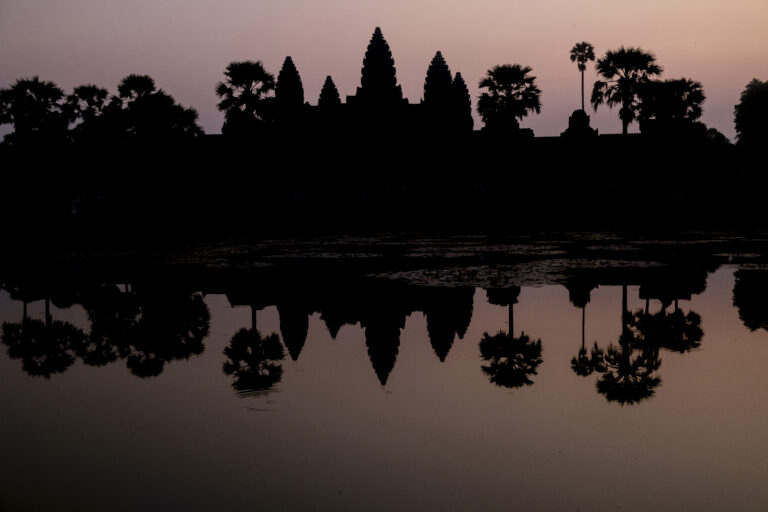
 Cambodia
Sources This guide was last checked on · 18 sources
- Wikivoyage: Indonesia · Overview, Places to visit, Things to do, Itineraries, Climate and best time to visit, Getting there and around, Where to stay, Eat and drink, Entry requirements and visas, Money and payments, Health, Safety, Customs and etiquette, Language, What to pack, Electricity and plugs, Staying connected, Frequently asked questions
- Wikidata: Indonesia · Overview, Places to visit, Money and payments, Country facts, Electricity and plugs
- WMO World Weather Information Service: Jakarta · Climate and best time to visit, Frequently asked questions
- UK FCDO: Indonesia health · Climate and best time to visit, Health, What to pack, Frequently asked questions
- Nager.Date: public holidays in Indonesia, 2026 · Holidays and events
- UK FCDO: Indonesia safety and security · Getting there and around, Money and payments, Safety, Customs and etiquette, What to pack
- UK FCDO: Indonesia entry requirements · Where to stay, Entry requirements and visas, Health, What to pack, Frequently asked questions
- Government of Canada: Indonesia travel advice (updated 13 October 2026) · Entry requirements and visas, Money and payments, Health, Safety, Customs and etiquette, Frequently asked questions
- ISO 4217 (SIX), published 2026-09-17 · Money and payments
- US CDC: Travelers' health, Indonesia · Health
- US Department of State: Indonesia travel advisory · Safety
- UK FCDO: Indonesia travel advice · Safety
- UK FCDO: Indonesia regional risks · Safety
- UK FCDO: Indonesia warnings and insurance (updated 18 September 2026) · Safety
- World Bank, SP.POP.TOTL · Country facts
- World Bank, AG.LND.TOTL.K2 · Country facts
- IANA Time Zone Database, zone.tab · Country facts
- UK FCDO: Indonesia getting help · Emergency numbers
Suggest an update
Travel rules, prices and timetables change. If something in this guide is out of date, tell us: we check every suggestion against an official source before changing the page.