

- Local time
- 20:59
- Currency
- Euro (EUR)
- Capital
- Luxembourg
- Calling code
- +352
- Drive on the
- right
Overview
A small, wealthy grand duchy of castles, forest trails and Moselle wines, with a cliff-top capital and free public transport. Euro and Schengen.
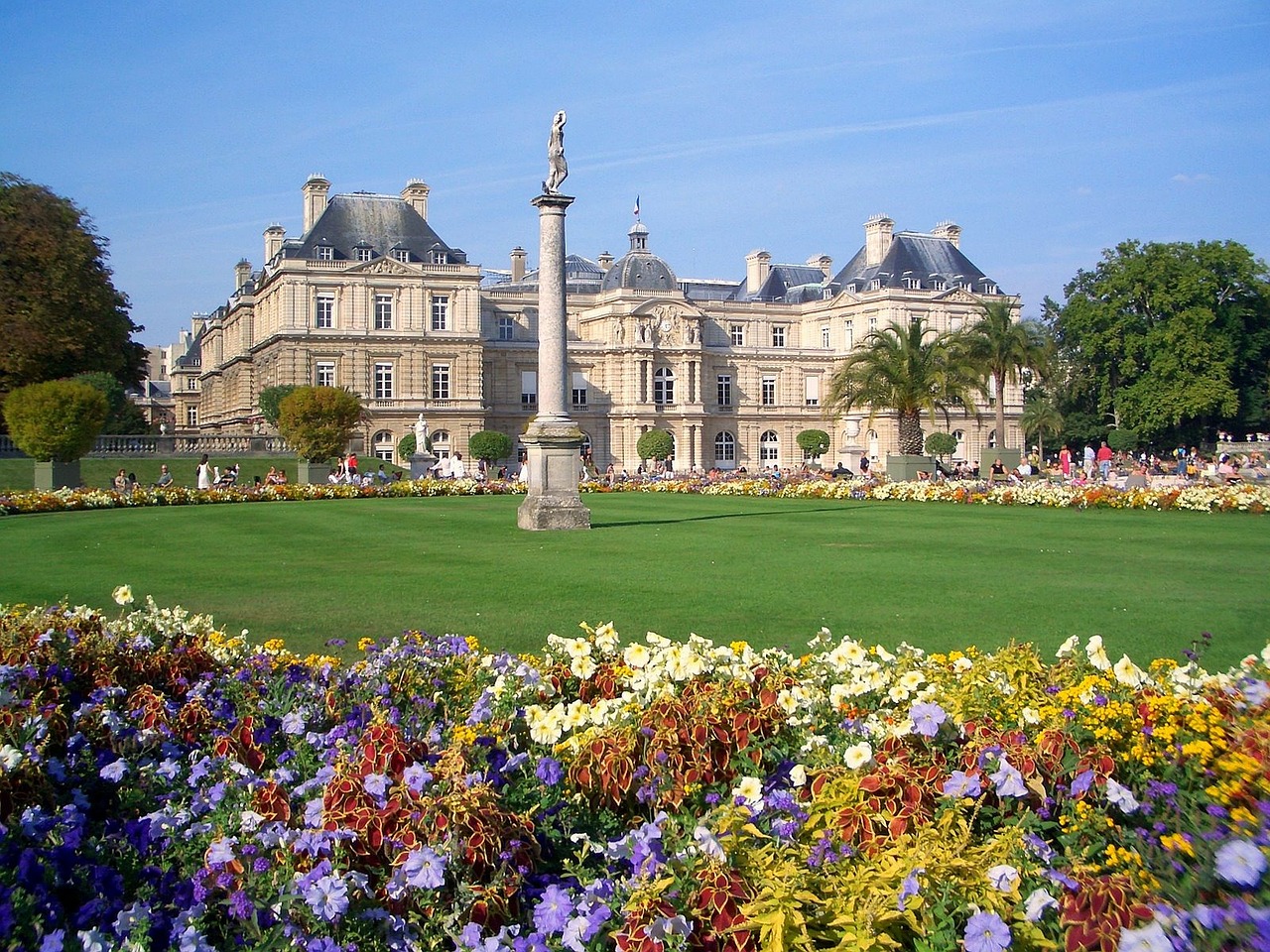
Luxembourg is one of the smallest countries in Europe, at the meeting point of the Germanic and Latin worlds, with more nature than its size suggests. The capital sits high on a cliff above the deep valleys of the Alzette and Pétrusse, and several parts of its old town are listed by UNESCO. Outside the city, settlements are small: castle towns such as Vianden and Clervaux, the forests and rocks of the Müllerthal around Echternach, and the wine villages of the Moselle valley in the east.
The country is compact, so almost every town is within an hour by bus or train, and since 2020 most public transport has been free. Prices are high, noticeably above France and Germany, and many visitors save by sleeping across the border, in Trier for example. Luxembourg uses the euro and is part of the Schengen area; the village that gave the agreement its name lies on the border with France and Germany.
- Luxembourg City: A capital on a cliff, with UNESCO-listed old quarters, fortifications and the Bock casemates.
- Vianden: A village in the Our valley below a large medieval castle.
- Echternach and the Müllerthal: The oldest town, with its basilica, and the forests and streams of "Little Switzerland".
- The Moselle valley: The wine route from Remich, with tasting festivals in autumn.
- Clervaux: A small castle town, home to The Family of Man photo exhibition.
Places to visit
- City
- Town
- Historic site
- Area
Cities
- Luxembourg City: The capital, divided by two deep river valleys, with a UNESCO-listed old town.
- Esch-sur-Alzette: The second city, a former mining town that is now home to the university.
- Echternach: The oldest town, with the basilica that holds the crypt of St Willibrord.
- Vianden: A small town below a large castle in the Our valley.
- Clervaux: A castle town, home to The Family of Man photo exhibition.
- Diekirch: A town known for its Second World War history and museum.
- Ettelbruck: The transport hub of the north.
- Mondorf-les-Bains: A spa town with a casino on the French border.
Beyond the cities
- Müllerthal (area): "Little Switzerland": forests, streams and rocks, best explored on foot or by bike.
- Esch-sur-Sûre (town): A very small town around a hilltop castle, near the Upper Sûre lake.
- Upper Sûre Lake (area): A reservoir lake near Esch-sur-Sûre.
- Remich (town): The start of the wine route along the Moselle.
- Schengen (town): The village that gave its name to the Schengen agreement, on the border with France and Germany.
- Vianden Castle (site): A medieval fortress in the Our valley, surrounded by forest.
Regions
- Central Luxembourg: The capital and its surroundings.
- Land of the Red Rocks: One of the five tourist regions.
- Éislek: One of the five tourist regions.
- Moselle Valley: Vineyards and wine villages along the Moselle, with Remich and Schengen.
- Mullerthal: Echternach and the forests and rocks of "Little Switzerland".
Things to do
See
- The old town of Luxembourg City Luxembourg City: Notre Dame Cathedral, the Grand Ducal Palace, the Place d'Armes and the cobbled lanes around them.
- Bock casemates and the Chemin de la Corniche Luxembourg City: The casemates, Neumünster Abbey and the views from the Corniche walk.
- Vianden Castle Vianden: A medieval castle above the town; visit Victor Hugo's house too, and expect crowds in summer.
- Echternach basilica Echternach: The burial place of St Willibrord; on Whit Tuesday the town fills with dancers in his honour.
- The Family of Man Clervaux: The photo exhibition in the castle town.
- Second World War history Diekirch: The museum in Diekirch tells the story of the Battle of the Bulge.
Do
- Hiking in the Müllerthal Müllerthal: Forests, streams and caves; trails and GPS tracks are on Géoportail.lu.
- Cycling: Good roads and varied landscapes make Luxembourg good cycling country.
Drink
- Wine route along the Moselle Remich: White wines such as Riesling, Auxerrois and Pinot Gris; many villages hold tasting festivals in autumn.
Itineraries
Luxembourg City and the north in 4 days (4 days)
- Luxembourg City (2 nights): The old town, the casemates and the Corniche.
- Vianden (1 night): The castle and the Our valley.
- Clervaux (1 night): The Family of Man, on the train line north.
Müllerthal and the Moselle in 4 days (4 days)
- Echternach (2 nights): The basilica and hikes in the Müllerthal.
- Remich (2 nights): Wine villages along the Moselle and a visit to Schengen.
Climate and best time to visit
| Jan | Feb | Mar | Apr | May | Jun | Jul | Aug | Sep | Oct | Nov | Dec | |
|---|---|---|---|---|---|---|---|---|---|---|---|---|
| Max °C | 3 | 5 | 9 | 13 | 18 | 21 | 23 | 23 | 18 | 13 | 7 | 4 |
| Min °C | -2 | -1 | 2 | 4 | 8 | 11 | 13 | 13 | 10 | 6 | 2 | -1 |
| Rain mm | 77 | 63 | 69 | 58 | 79 | 80 | 71 | 75 | 76 | 87 | 76 | 87 |
Luxembourg has a temperate, oceanic climate and rain spread across the year: in the capital every month gets between about 60 and 90 mm. Winters are cool, with average maximums of 3 to 5 °C from December to February and nights around freezing; the north is a few degrees colder and gets heavy snow. In July and August the average maximum is about 23 °C, with a few days above 30 °C.
May to August is the sunniest time to go, and April and September can be mild too. July and August are the high season, with outdoor festivals; autumn brings the wine harvest in the Moselle valley.
Holidays and events
- 1 January 2026 · New Year's Day
- 3 April 2026 · Good Friday
- 6 April 2026 · Easter Monday
- 1 May 2026 · Labour Day
- 9 May 2026 · Europe Day
- 14 May 2026 · Ascension Day
- 25 May 2026 · Whit Monday
- 23 June 2026 · Sovereign's birthday
- 15 August 2026 · Assumption Day
- 1 November 2026 · All Saints' Day
- 25 December 2026 · Christmas Day
- 26 December 2026 · St. Stephen's Day
Getting there and around
| Main airports | LUX |
|---|
Getting there
By air: Luxembourg Findel airport (LUX), 6 km from the capital, has flights from many European cities with Luxair and other airlines, and connections via Amsterdam, Paris, Frankfurt and London. A free tram runs from the airport into the city every 8 minutes. Brussels-Charleroi (CRL) is about three hours away by Flibco bus, and Frankfurt (FRA) has one direct bus a day.
By train: direct trains run from Paris (2.5 hours via Metz), Metz (1 hour), Brussels (3 hours) and Trier (43 minutes); book trains from Paris in advance with SNCF. There is no direct train to Frankfurt. By bus: FlixBus, RegioJet and Flibco serve Luxembourg, often only once a day. By car: motorways from Metz, Brussels and Trier lead to the ring road around the capital. Germany has temporary checks at its land borders.
Getting around
Public transport is free almost everywhere since 29 February 2020: you need a ticket only for first class or for journeys across the border. Carry photo ID, because conductors can ask for it. Trains (CFL) radiate from the capital and are modern and punctual; in the north, change at Mersch, Ettelbruck, Wiltz or Clervaux for buses to smaller places. Buses reach every village, most at least hourly. The Mobilitéit website and app plan journeys across the whole network.
Driving: limits are 50 km/h in towns, 90 km/h outside and 130 km/h on motorways (110 km/h in the rain). Police enforce traffic laws strictly, with fixed and average speed cameras. The drink-drive limit is 0.05% (0.02% for new drivers). From October to April, and whenever there is snow or ice, cars need winter or all-season tyres, and you must carry a warning triangle and a high-visibility vest. The FCDO says you can use a UK photocard licence for one year, and that with a paper licence you may need to update it or get the correct version of the international driving permit; Canada says you can drive on a valid Canadian licence for up to 12 months and must carry an international driving permit. The FCDO says you must carry your driving licence, vehicle registration document, car insurance certificate, road tax and MOT certificate in the vehicle or face a fine. Rush-hour traffic from France, Belgium and Germany is heavy, and parking in the capital is paid everywhere. Use official taxis with a price list: rates rise in the evening and on Sundays.
Flying to Luxembourg? PartnerCompare fares and find the cheapest datesSearch flightsWhere to stay
- Hotels: Expensive in the capital because of banking and EU business.
- Youth hostel: The capital has a good one.
- Small independent hotels: Mostly in the countryside; hotels.lu books many of them.
Staying across the border, in Trier for example, and travelling in can be cheaper.
Eat and drink
Dishes to try
- Judd mat gaardebounen: The unofficial national dish: smoked pork neck with broad beans.
- Gromperekichelchen: Fried potato cakes with onion, shallot and parsley, sold at markets and funfairs.
- Bamkuch: A layered "tree cake" baked on a spit, served at weddings and baptisms.
Drinks
- Moselle white wine: Riesling, Auxerrois, Pinot Gris, Pinot Blanc, Rivaner and Elbling.
- Local beer: Lagers from Diekirch, Bofferding, Battin, Simon and Mousel, rarely found abroad.
- Eau-de-vie: Strong plum spirits, Mirabelle and Quetsch, drunk after dinner or in coffee.
Traditional cooking is based on pork and potatoes, with a strong German influence, but most restaurants serve French food in larger portions, and Italian food has been popular since the 1960s. The minimum legal drinking age is 16.
Entry requirements and visas
| Passport validity | Issued less than 10 years before you arrive, and valid at least 3 months after you leave the Schengen area |
|---|
| Passport | Entry | Max stay | Notes |
|---|---|---|---|
| EU / EEA | Freedom of movement | Free movement with a valid passport or national ID card. | |
| United Kingdom | Visa free | 90 days | 90 days in any 180-day period across the whole Schengen area. |
| Canada | Visa free | 90 days | 90 days in any 180-day period across the whole Schengen area. |
| United States | Visa free | 90 days | 90 days in any 180-day period across the whole Schengen area. |
| Australia | Visa free | 90 days | 90 days in any 180-day period across the whole Schengen area. |
Other nationalities: check the official source below.
- EES (Entry/Exit System): fingerprints and photo at the border, free
- ETIAS (travel authorisation, EUR 20): not in operation yet
Luxembourg is part of the Schengen area. Visitors from the UK, the US, Canada and Australia can stay up to 90 days in any 180-day period without a visa, counting the days spent in other Schengen countries. Non-EU visitors register fingerprints and a photo in the EU's Entry/Exit System (EES) on their first entry: allow extra time at the border, and at the airport when you leave.
At the border you may be asked for proof of accommodation, travel insurance, a return or onward ticket and enough money for your stay. The Canadian government also says that Canadian visitors must register their presence with the local municipality after arrival, or risk fines and difficulties when leaving. You cannot bring meat or milk products into the EU, and cash of €10,000 or more must be declared, even in transit. Carry your passport when you drive: it is easy to cross into a neighbouring country without noticing.
ETIAS, the online travel authorisation for visa-free visitors, is not in operation yet. Rules depend on your passport and can change: check the official link before you book.
Money and payments
| Currency | Euro (EUR) |
|---|
Luxembourg uses the euro (EUR). Prices are noticeably higher than in France and Germany, especially in the centre, while cigarettes, alcohol and fuel are relatively cheap. Luxembourg's own euro coins are rare, even there: most of your change will come from other countries.
Costs and budget
- Public transport: free (except first class and cross-border trips)
- Cheap hotel, per night (as listed on Wikivoyage in October 2026): often over €100
- Modest dinner with a drink (as listed on Wikivoyage in October 2026): close to €20
According to Eurostat, in 2024 the general price level in Luxembourg was about 132% of the EU average, food in shops about 125% and restaurants and hotels about 124%.
Free public transport helps, and sleeping across the border, in Trier for example, is cheaper.
Health
| Recommended vaccines | Routine vaccines, including measles (MMR), Hepatitis A: consider it, Hepatitis B, for unvaccinated travellers of all ages, Rabies, only if you will work with wildlife, Mpox, for travellers at risk of sexual exposure |
|---|---|
| Tap water | Safe |
No vaccinations are required to enter. Check the recommended ones with a travel health clinic 6 to 8 weeks before you go. The main risk in the countryside is ticks: in some areas a high share carry Lyme disease, so learn how to remove a tick and watch for symptoms after a bite.
Healthcare is excellent and available across the country. A European (EHIC) or UK (GHIC) card gives access to medically necessary state healthcare, but it does not replace travel insurance. Dial 112 for an ambulance, or ask for the SAMU to get a doctor with the ambulance. Tap water is safe.
This is general information, not medical advice: check with a travel health professional before you go.
Safety
- United States: Level 1: Exercise Normal Precautions (2026-10-20)
- Canada: Take normal security precautions (2026-10-20)
- United Kingdom: No advice against travel (2026-10-20)
Violent crime is rare, but pickpockets work on buses and in stations, especially Luxembourg's main station, and hotel lobbies near the airport are known for thefts. At night, crime is concentrated around the station district and Bonnevoie in the capital, and around stations in the southern towns; snatching of necklaces and watches has been reported, so keep jewellery out of sight. Beware of fake police officers who ask for on-the-spot fines. Report thefts at a police station within 24 hours. On public transport, carry photo ID: conductors can ask for it at any time.
In the Müllerthal and the Ardennes, steep drops of up to 30 m can be hidden a few steps from the paths, and rocks are slippery after rain: stay on marked trails and wear proper shoes. Fog and ice make roads dangerous in autumn and winter, and heavy rain, mostly in winter, can cause floods.
Customs and etiquette
Greet people in Luxembourgish with Moien, even if you continue in another language. Luxembourgers have a strong national identity: do not call them German, Belgian or French, and do not describe Luxembourgish as a dialect. They value privacy, modesty and calm, so avoid personal questions about money, religion or politics, and do not show impatience. The grand ducal family is held in high esteem.
Being drunk and disorderly in public is a criminal offence, and drug penalties, cannabis included, are severe.
Language
| Official languages | Luxembourgish, French, German |
|---|---|
| English | Widespread |
| Hello | Moien MOY-ehn |
|---|---|
| Good morning | Gudde Moien GOO-deh MOY-ehn |
| Please | Wann ech glift vahn etch glift |
| Thank you | Merci MEHR-see |
| Excuse me | Entschëllegt ent-shuh-LAYGT |
| Goodbye | Addi AHD-ee |
| Do you speak English? | Schwätzt du Englesch? shvahtst doo AYNG-lesh |
What to pack
- Passport or EU/EEA ID card: Conductors can ask for photo ID, and borders are easy to cross without noticing.
- Walking shoes with good grip: Trails in the Müllerthal and the Ardennes have slippery rocks and steep drops.
- Tick repellent: Ticks in the countryside can carry Lyme disease.
- A rain jacket: Rain falls in every month.
- EHIC or GHIC and travel insurance: The card covers only medically necessary state healthcare.
Quick reference
Country facts
| Capital | Luxembourg |
|---|---|
| Population | 686,970 (2025) |
| Area | 2,574 km² |
| Time zone | Europe/Luxembourg (UTC+1) |
| Calling code | +352 |
| Driving side | right |
Staying connected
| Roaming | With an EU or EEA SIM card you pay home prices for calls, texts and data (roam like at home). Others should check their provider's rates. |
|---|
Emergency numbers
| Police | 113 |
|---|---|
| Ambulance | 112 |
| Fire | 112 |
Frequently asked questions
Do I need a visa for Luxembourg?
Not for short trips with an EU, UK, US, Canadian or Australian passport: Luxembourg is in the Schengen area, so you can stay up to 90 days in any 180-day period. Check the official EU link before you book.
Is public transport really free in Luxembourg?
Yes, most of it has been free since 29 February 2020. You need a ticket only for first class or for journeys across the border.
Which language should I use in Luxembourg?
French is the most common in daily life, German is understood by everyone and English is almost universally understood. A Luxembourgish "Moien" is always appreciated.
Is Luxembourg expensive?
Yes, noticeably more than France and Germany, and even cheap hotels tend to cost over €100 a night, as listed on Wikivoyage in October 2026. Staying across the border, in Trier for example, can save money.
Can I drink the tap water?
Yes, tap water is safe.
When is the best time to visit Luxembourg?
May to August, the sunniest months; July and August are the high season, with outdoor festivals.
More Travel Stories from Europe
 Svalbard +1
Sources This guide was last checked on · 21 sources
- Wikivoyage: Luxembourg · Overview, Places to visit, Things to do, Itineraries, Climate and best time to visit, Getting there and around, Where to stay, Eat and drink, Money and payments, Costs and budget, Health, Safety, Customs and etiquette, Language, What to pack, Staying connected, Frequently asked questions
- Wikidata: Luxembourg · Places to visit, Money and payments, Country facts
- WMO World Weather Information Service: Luxembourg · Climate and best time to visit, Frequently asked questions
- Nager.Date: public holidays in Luxembourg, 2026 · Holidays and events
- UK FCDO: Luxembourg safety and security · Getting there and around, Safety, Customs and etiquette, What to pack
- Government of Canada: Luxembourg travel advice (updated 11 August 2026) · Getting there and around, Entry requirements and visas, Money and payments, Health, Safety, What to pack, Frequently asked questions
- UK FCDO: Luxembourg entry requirements · Entry requirements and visas, What to pack, Frequently asked questions
- European Union: ETIAS official website · Entry requirements and visas
- Your Europe (EU): Travel documents for EU nationals · Entry requirements and visas
- ISO 4217 (SIX), published 2026-09-17 · Money and payments
- Eurostat: price level indices, 2024 (EU27 = 100) · Costs and budget
- UK FCDO: Luxembourg health · Health
- US CDC: Travelers' health, Luxembourg · Health
- US Department of State: Luxembourg travel advisory · Safety
- UK FCDO: Luxembourg travel advice · Safety
- Wikivoyage: Luxembourgish phrasebook · Language
- World Bank, SP.POP.TOTL · Country facts
- World Bank, AG.LND.TOTL.K2 · Country facts
- IANA Time Zone Database, zone.tab · Country facts
- Your Europe: mobile roaming costs · Staying connected
- UK FCDO: Luxembourg getting help · Emergency numbers
Suggest an update
Travel rules, prices and timetables change. If something in this guide is out of date, tell us: we check every suggestion against an official source before changing the page.