

- Local time
- 12:39
- Currency
- Danish Krone (DKK)
- Capital
- Tórshavn
- Calling code
- +298
- Drive on the
- right
Overview
Eighteen green, wind-swept islands in the North Atlantic, with sea cliffs, seabirds, turf-roofed villages and hikes in ever-changing weather. A self-governing part of the Danish realm, outside the EU.
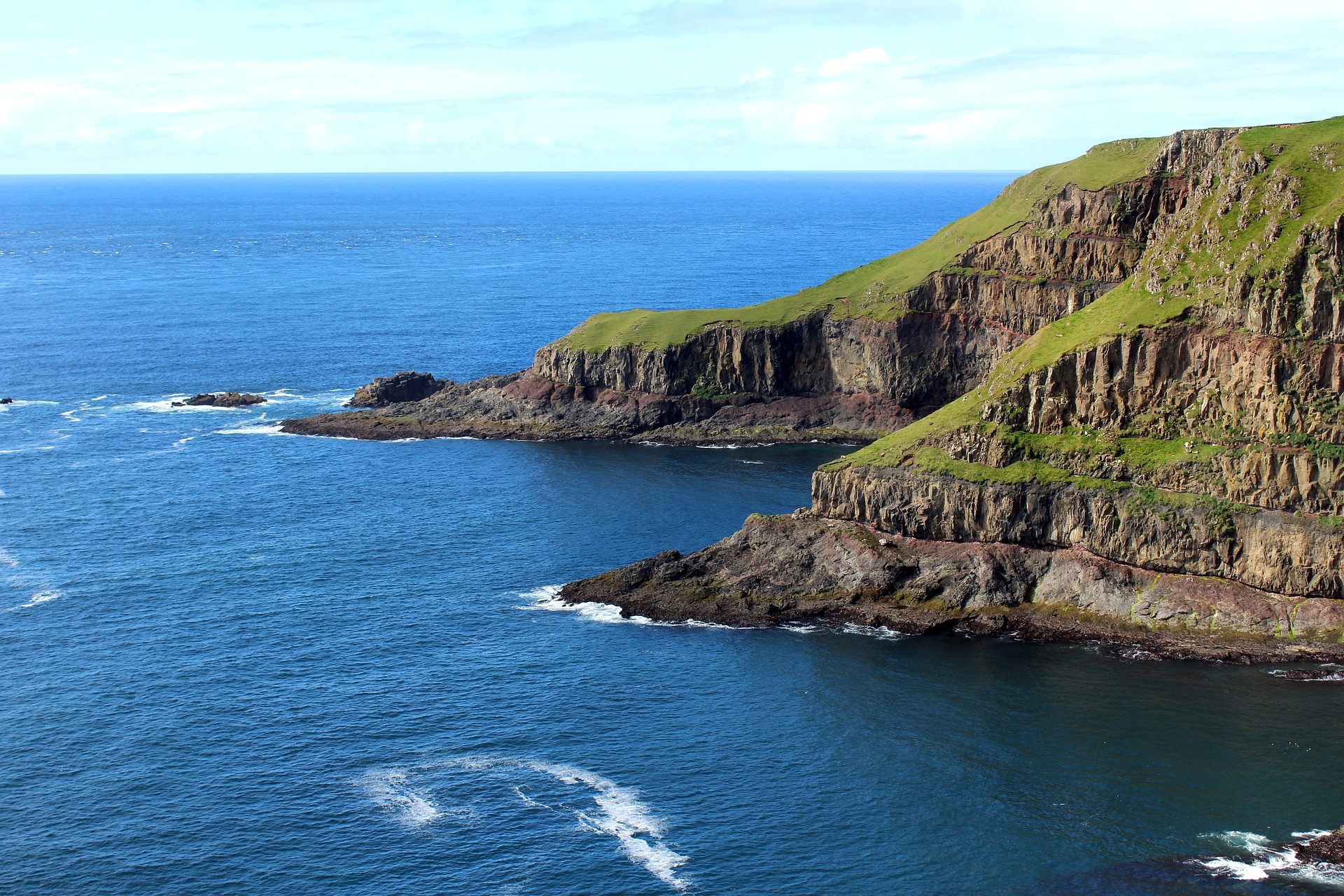
The Faroe Islands are an archipelago of 18 islands in the middle of the North Atlantic, a self-governing territory of the Kingdom of Denmark with its own language, parliament and flag. You are never more than 5 km from the sea. The islands are steep, green and treeless, grazed by some 70,000 sheep, with sea cliffs full of puffins and other seabirds in summer.
Villages of brightly painted or black houses with turf roofs sit by the water, linked by tunnels, bridges, causeways and ferries. Tórshavn, the capital, has most of the shops, bars and restaurants. The weather is mild for the latitude but changes by the hour, and summer fog can cancel flights. The season is short: most visitors come in July and August.
- Tórshavn: The small capital, with the old Tinganes quarter by the harbour.
- Gásadalur: A village on Vágar with a waterfall dropping from the cliffs into the sea.
- Vestmanna bird cliffs: Half-kilometre-high cliffs north of Vestmanna, seen by boat.
- Mykines: The remote western island, reached by a ferry you must book ahead.
- Slættaratindur: The highest mountain, 880 m, on Eysturoy.
- Risin og Kellingin: Two basalt sea stacks off the northern tip of Eysturoy.
Places to visit
- City
- Town
- Island
Cities
- Tórshavn: The capital and largest town, with nearly 20,000 people, shops and nightlife.
- Klaksvík: The main town of the Northern Islands and an industrial centre.
- Vágur: The largest town on Suðuroy, the southernmost island.
- Tvøroyri: Suðuroy's second town, with the ferry from Tórshavn.
Beyond the cities
- Gásadalur (town): An iconic village and waterfall on Vágar.
- Mykines (island): The far-western island; book the ferry in advance.
- Vestmanna (town): Departure point for the bird cliffs to the north.
- Eiði (town): Village near the Risin og Kellingin sea stacks.
- Kirkjubøur (town): A village on Streymoy near Tórshavn.
Regions
- Streymoy: The largest island, with Tórshavn, Vestmanna and Kirkjubøur.
- Eysturoy: Linked to Streymoy by a bridge: Slættaratindur, Eiði and Runavík.
- Vágar: The airport island, with Gásadalur and Sørvágsvatn; ferries to Mykines.
- Northern Islands: Klaksvík and the islands beyond, linked by causeways and ferries.
- Sandoyar: Sandoy and nearby islands, by ferry from Streymoy.
- Suðuroy: The southernmost island, with Vágur, Tvøroyri and the Beinisvørð cliff.
Things to do
See
- Sørvágsvatn Vágar: The largest lake, perched above sea cliffs.
- Beinisvørð Suðuroy: A 470 m sea cliff; keep away from the edge.
- Tinganes Tórshavn: The old town, where people still live: respect their privacy.
Do
- Hiking: Stick to prepared trails; some famous routes, such as Trælanípa and Mykines, charge a fee.
- Birdwatching: Puffins and other seabirds on the west-coast cliffs in summer.
- Sea kayaking: Kayaks are widely available for rent.
Drink
- Faroese beer: Føroya Bjór and Okkara, the two local breweries.
Shop
- Woollens Tórshavn: Faroese sweaters, hats and shawls.
Itineraries
Tórshavn, Vágar and Eysturoy in 6 days (6 days)
- Tórshavn (3 nights): Tinganes, a trip to Kirkjubøur and the Vestmanna bird cliffs.
- Gásadalur (1 night): On Vágar, near the airport; Mykines by booked ferry.
- Eiði (2 nights): Sea stacks and the climb of Slættaratindur.
Climate and best time to visit
The climate is maritime and very changeable: sunshine on one side of a mountain, rain on the other, and frequent summer fog. The Gulf Stream keeps it mild for the latitude, with average temperatures from about 3 °C in winter to 11 °C in summer; snow falls but does not last. In June the sun sets only briefly, while winter days have about five hours of daylight.
The tourist season runs from May to September, busiest in July and August; late May or early June is quieter. Fog can delay flights, so leave a spare day either side of your trip.
Holidays and events
- 1 January 2026 · New Year's Day
- 2 April 2026 · Maundy Thursday
- 3 April 2026 · Good Friday
- 5 April 2026 · Easter Sunday
- 6 April 2026 · Easter Monday
- 25 April 2026 · National Flag Day
- 1 May 2026 · General Prayer Day
- 14 May 2026 · Ascension Day
- 24 May 2026 · Pentecost
- 25 May 2026 · Whit Monday
- 5 June 2026 · Constitution Day
- 28 July 2026 · Saint Olav's Eve
- 29 July 2026 · Saint Olav's Day
- 24 December 2026 · Christmas Eve
- 25 December 2026 · Christmas Day
- 26 December 2026 · St. Stephen's Day
- 31 December 2026 · New Year's Eve
Getting around
| Main airports | FAE |
|---|
All the islands are connected by public transport: blue buses and car ferries run every day, though not often. A tourist Travel Card covers buses and most ferries for four or seven days. Car ferries cannot be booked: be at the pier 20 minutes early. The Mykines ferry must be booked in advance. Buses in Tórshavn are free.
Driving is on the right on good roads, with tolls on the sub-sea tunnels, paid at petrol stations or online within three days. Headlights and seat belts are compulsory, speeding penalties are severe, and off-road driving is banned. Sheep wander onto roads and shelter in tunnels: if you hit one, call the police in Tórshavn.
Flying to Faroe Islands? PartnerCompare fares and find the cheapest datesSearch flightsWhere to stay
- Hotels: Mostly in Tórshavn.
- Youth hostels: Spread across the islands, mostly in small rooms; arrange arrival in advance, as many have no reception.
- Campsites: Camping is legal only in designated places.
Eat and drink
Dishes to try
- Skerpikjøt: Mutton wind-dried for over a year and eaten raw.
- Ræst kjøt and ræstur fiskur: Meat or fish hung for months to mature before cooking.
- Seabirds: Puffin, sometimes stuffed and served with potatoes and berries.
- Rhubarb: Easy to grow and common in desserts.
Drinks
- Føroya Bjór and Okkara: The two Faroese breweries.
Traditional food is based on lamb and fish, but few restaurants serve it; Tórshavn has the widest choice. Alcohol is expensive: light beer is sold in shops, but stronger drinks only in the state monopoly shops (Rúsdrekkasøla) and licensed bars. The drinking age is 18.
Entry requirements and visas
| Passport validity | Valid at least 3 months beyond your departure |
|---|
| Passport | Entry | Max stay | Notes |
|---|---|---|---|
| EU / EEA | Visa free | 90 days | An ID card is enough, but carry a passport in case your flight is diverted to Scotland. |
Other nationalities: check the official source below.
The Faroe Islands belong to the Kingdom of Denmark but are not in the EU or the Schengen area. If you do not need a visa for Denmark, you can generally visit for up to 90 days without one. A Schengen visa for Denmark is not valid here: if you need a visa, tell the Danish embassy you are visiting the Faroes. Rules depend on your passport: check with the Danish authorities before you book.
Money and payments
| Currency | Danish Krone (DKK) |
|---|---|
| Cards | Widespread |
The currency is the Danish krone; the Faroes print their own króna notes at the same value, and Danish notes are used alike. Euros are not accepted in shops, and there are no exchange offices. Visa and Mastercard are accepted everywhere; American Express rarely. Change Faroese notes into Danish ones before you leave. Almost everything is expensive, and visitors from outside the EU and Scandinavia can reclaim VAT on purchases over 399 kr.
Health
| Recommended vaccines | Routine vaccines, including measles (MMR), Hepatitis A: consider it, Hepatitis B |
|---|---|
| Malaria | None |
| Tap water | Safe |
Hospitals with emergency services are in Tórshavn, Klaksvík and Tvøroyri, and helicopters handle emergencies on remote islands. Tap water is safe. Nordic and UK citizens are covered by their own national health insurance; others should take travel insurance. Dial 112.
This is general information, not medical advice: check with a travel health professional before you go.
Safety
The islands are safe, with little crime. The main danger is the weather: fog comes down fast on hikers and drivers, and conditions change quickly, so bring proper clothing and keep to marked trails. Sheep may jump in front of cars. Stay well back from cliff edges. Hare hunting takes place in November and December, mostly on Saturdays; Sundays are safe for hiking.
Customs and etiquette
Faroese people are helpful and hospitable, and they are not Danes: never say you are in Denmark. Independence is a sensitive, much-debated subject. The pilot whale hunt is seen by some islanders as part of their culture, and outsiders' comments about it can cause offence. Respect the privacy of people living in Tinganes. Many shops close early on Saturday and nearly everything shuts on Sunday.
Language
| Official languages | Faroese, Danish |
|---|---|
| English | Widespread |
| Hello | Halló HAH-loh |
|---|---|
| Please | Gerið so væl JER-eh soh veal |
| Thank you | Takk fyri takk FI-reh |
| Excuse me | Orsaka OR-sha-ka |
| Goodbye | Farvæl far-VEAL |
| Do you speak English? | Dugir tú eingilskt? DU-weer too AIN-djeelst |
What to pack
- Passport: Even EU citizens should carry one in case a flight is diverted to Scotland.
- Waterproofs and warm layers: Rain, wind and fog can arrive at any time of year.
- Hiking boots: Trails are steep and often wet.
- Sleeping mask: In June the sun sets only briefly.
- Card for payments: Visa and Mastercard work everywhere and there is nowhere to change euros.
Quick reference
Country facts
| Capital | Tórshavn |
|---|---|
| Population | 54,900 (2025) |
| Area | 1,370 km² |
| Time zone | Atlantic/Faroe (UTC+0) |
| Calling code | +298 |
| Driving side | right |
Staying connected
| SIM and eSIM | Coverage is widespread. Føroya Tele sells tourist SIM cards at the information desk in Vágar airport. |
|---|---|
| Roaming | The islands are outside the EU, so roaming is much more expensive; some Danish and Icelandic prepaid SIMs include a small allowance here. |
| Wi-Fi | Common on ferries and in Tórshavn, but usually password-protected. |
Frequently asked questions
Are the Faroe Islands in the EU or Schengen?
No. They belong to the Kingdom of Denmark but are outside both; a Schengen visa for Denmark is not valid here.
Can I pay in euros?
No, shops do not take euros and there are no exchange offices. Use the Danish or Faroese krone, or a Visa or Mastercard.
When is the best time to visit?
May to September; July and August are busiest. Leave a spare day in case fog delays your flight.
How do I get around without a car?
Buses and ferries reach every village daily, if not often. A four- or seven-day Travel Card covers most routes.
Can I drink the tap water?
Yes, it is safe.
More Travel Stories from Europe
 Portugal
Sources This guide was last checked on · 9 sources
- Wikivoyage: Faroe Islands · Overview, Places to visit, Things to do, Itineraries, Climate and best time to visit, Getting around, Where to stay, Eat and drink, Entry requirements and visas, Money and payments, Health, Safety, Customs and etiquette, Language, What to pack, Staying connected, Frequently asked questions
- Wikidata: Faroe Islands · Overview, Places to visit, Country facts
- Nager.Date: public holidays in Faroe Islands, 2026 · Holidays and events
- ISO 4217 (SIX), published 2026-09-17 · Money and payments
- CDC Travelers' Health: Faroe Islands · Health, Frequently asked questions
- Wikivoyage: Faroese phrasebook · Language
- World Bank, SP.POP.TOTL · Country facts
- World Bank, AG.LND.TOTL.K2 · Country facts
- IANA Time Zone Database, zone.tab · Country facts
Suggest an update
Travel rules, prices and timetables change. If something in this guide is out of date, tell us: we check every suggestion against an official source before changing the page.