

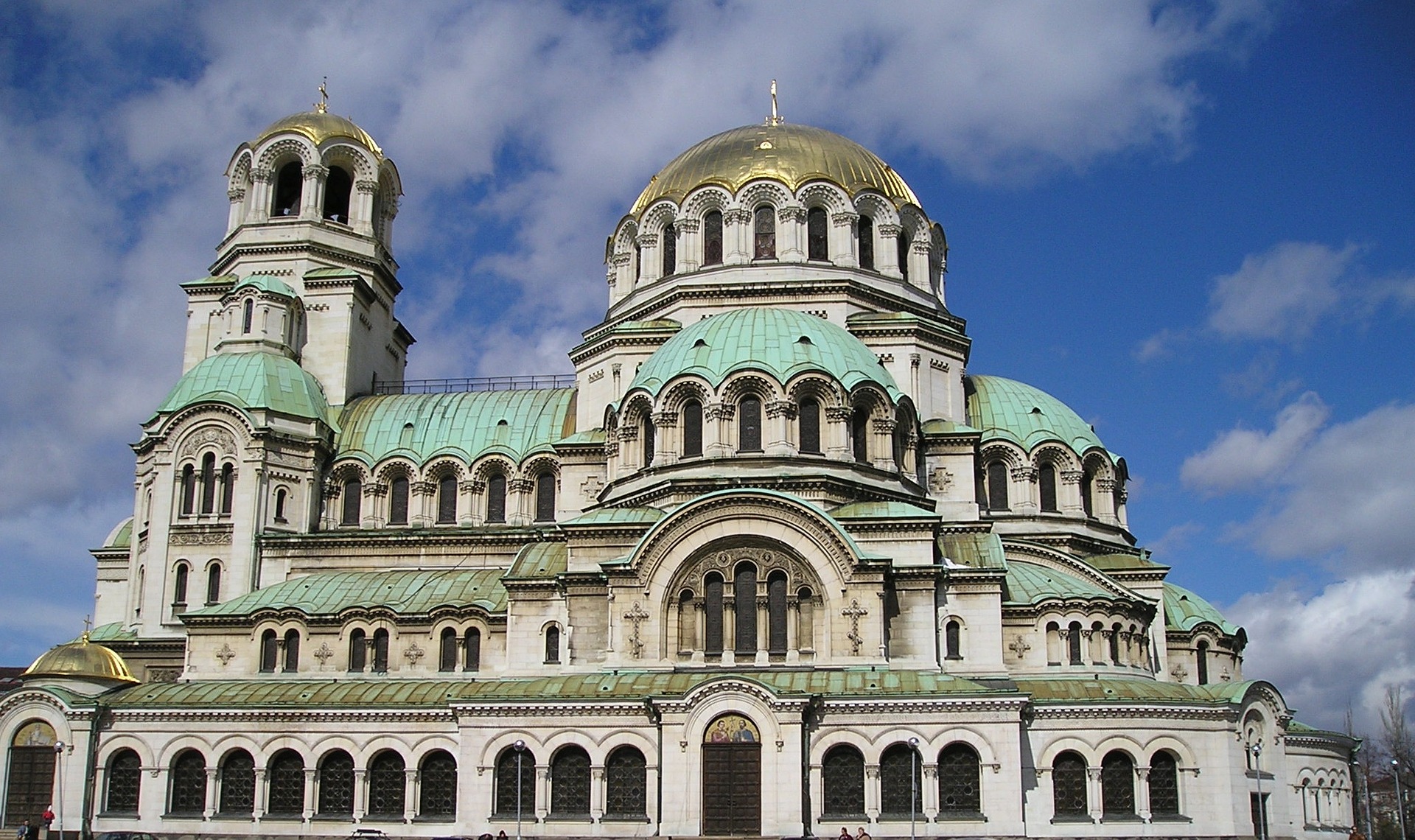
- Local time
- 11:55
- Currency
- Euro (EUR)
- Capital
- Sofia
- Calling code
- +359
- Drive on the
- right
Overview
Bulgaria combines Black Sea beaches, ski resorts in Rila and Pirin, Rila Monastery, Plovdiv's Roman ruins and Thracian tombs with low prices. It joined the euro and the Schengen area.
Bulgaria lies between the Danube and the Black Sea, crossed by the Balkan Mountains and bordered in the south by Rila, Pirin and the Rhodopes. Thracians, Greeks, Romans, medieval Bulgarian tsars and the Ottomans all left their mark: Plovdiv has a Roman stadium and an ancient Greek theatre, Veliko Tarnovo the fortress of the Second Bulgarian Empire, and the country has nine UNESCO sites, from Rila Monastery to the old town of Nesebar.
Summer brings crowds to the coast, from Sunny Beach and Golden Sands to quieter Sozopol, and winter fills ski resorts such as Bansko, Borovets and Pamporovo. In between there is excellent hiking, hundreds of mineral springs and a food culture built on salads, yoghurt, cheese and grilled meat. Bulgaria uses the euro from 2026, and remember that a nod means no and a shake of the head means yes.
- Rila Monastery: The largest and most venerated monastery in Bulgaria, a UNESCO site in the Rila mountains.
- Plovdiv: One of Europe's oldest cities, with a Roman stadium, a Greek theatre and an Old Town.
- Veliko Tarnovo: The medieval capital, with its Tsarevets fortress above the Yantra river.
- Sofia: The capital under Vitosha, with the ruins of Roman Serdica.
- Black Sea coast: Beach resorts and the old towns of Nesebar and Sozopol.
- Pirin and Bansko: A UNESCO national park with glacier lakes, hiking and skiing.
Places to visit
- City
- Town
- Park
- Historic site
Cities
- Sofia: The capital under Vitosha Mountain, a walkable centre over the ruins of Roman Serdica.
- Plovdiv: Second city and one of Europe's oldest, with a Roman stadium and a Revival-era Old Town.
- Veliko Tarnovo: The old capital of the Second Bulgarian Empire, on the steep banks of the Yantra.
- Varna: Black Sea port and hub for the northern resorts, with its own beaches and Sea Garden.
- Burgas: Port and hub for the southern resorts, Sozopol and Nesebar.
- Ruse: A Danube town with Neo-Baroque architecture, near the Rock-Hewn Churches of Ivanovo.
- Nesebar: An ancient town on the coast, a UNESCO site.
- Sozopol: A picturesque old seaside town south of Burgas.
Beyond the cities
- Rila Monastery (site): The country's largest and most venerated monastery, a UNESCO site.
- Rila National Park (park): The highest mountain in the Balkans, Musala, and the Seven Rila Lakes.
- Pirin National Park (park): A UNESCO park of glacier lakes and sunny peaks, with Bansko and Melnik on its slopes.
- Bansko (town): One of the most popular ski resorts, below Pirin.
- Koprivshtitsa (town): A protected historic town of Revival-era houses.
Regions
- Bulgarian Black Sea Coast: Beach resorts, Varna, Burgas, Nesebar and Sozopol.
- North Bulgaria: The Danube plain between the Balkan Mountains and Romania.
- Balkan Mountains: The range across the country, with the Central Balkan National Park and the Shipka Pass.
- Rhodope Mountains: Green hills, villages and caves in the south, with spas and ski resorts.
- Pirin Macedonia: Pirin, Bansko, Melnik and Sandanski.
- Upper Thracian Plain
- Bulgarian Shopluk
- Southern Dobruja
- Strandzha
Things to do
See
- Rila Monastery: The great monastery in the Rila mountains, a UNESCO site.
- Plovdiv Old Town Plovdiv: A Roman stadium, an ancient theatre and Bulgarian Revival houses.
- Tsarevets Veliko Tarnovo: The medieval fortress, with a sound-and-light show on some dates.
- Thracian tombs: The UNESCO-listed tombs of Kazanlak and Sveshtari.
- Caves and rock formations: Devil's Throat, Ledenika, the Belogradchik Rocks and the earth pyramids near Melnik.
Do
- Skiing Bansko, Borovets, Pamporovo: Popular winter resorts in Pirin, Rila and the Rhodopes.
- Hiking: Rila, Pirin, the Rhodopes and the E3 route along the Balkan Mountains; best from late June to September.
- Beaches: From Albena and Golden Sands to Sozopol and Primorsko on the Black Sea.
- Mineral springs: Spa towns such as Velingrad, Devin, Hisarya and Sandanski.
Eat
- Shopska salad and rakia: The classic start to a Bulgarian meal.
Itineraries
Sofia, Rila and Plovdiv in 6 days (6 days)
- Sofia (2 nights): The centre and a day on Vitosha.
- Rila Monastery (1 night): The monastery and the Seven Lakes area.
- Plovdiv (3 nights): The Old Town and a trip into the Rhodopes.
Veliko Tarnovo and the Black Sea in 7 days (7 days)
- Veliko Tarnovo (2 nights): Tsarevets fortress and the village of Arbanasi.
- Varna (2 nights): Beaches and the Sea Garden.
- Nesebar (1 night): The UNESCO old town by bus along the coast.
- Sozopol (2 nights): A quieter old town south of Burgas.
Climate and best time to visit
| Jan | Feb | Mar | Apr | May | Jun | Jul | Aug | Sep | Oct | Nov | Dec | |
|---|---|---|---|---|---|---|---|---|---|---|---|---|
| Max °C | 2 | 5 | 10 | 16 | 20 | 24 | 26 | 26 | 23 | 17 | 10 | 4 |
| Min °C | -5 | -3 | 0 | 5 | 9 | 12 | 14 | 13 | 10 | 6 | 1 | -3 |
| Rain mm | 28 | 31 | 38 | 51 | 73 | 75 | 63 | 51 | 38 | 35 | 48 | 40 |
Sofia has warm summers and cold winters: the average high is about 26 °C in July and August and 2 °C in January, with May and June the wettest months.
May, June and September are good for cities and sightseeing; July and August are for the beach. For high-mountain hiking, go between late June and September, when the snow has gone; skiing runs roughly from December to March. Wildfires are a risk in summer and early autumn, and heavy rain can cause floods.
Holidays and events
- 1 January 2026 · New Year's Day
- 2 January 2026 · Currency change day
- 3 March 2026 · Liberation Day
- 10 April 2026 · Good Friday
- 11 April 2026 · Holy Saturday
- 12 April 2026 · Easter Sunday
- 13 April 2026 · Easter Monday
- 1 May 2026 · International Workers' Day
- 6 May 2026 · Saint George's Day
- 25 May 2026 · Saints Cyril and Methodius Day
- 7 September 2026 · Unification Day
- 22 September 2026 · Independence Day
- 24 December 2026 · Christmas Eve
- 25 December 2026 · Christmas Day
- 26 December 2026 · Second day of Christmas
Getting around
| Main airports | SOF, VAR, BOJ, PDV |
|---|
Buses are the fastest way between cities and good value. Signs and timetables are often in Cyrillic only. Trains are cheaper and slower, with mixed comfort; the Sofia to Varna and Sofia to Burgas lines have night trains. Take licensed yellow taxis with the meter running and the tariff on the window; at Sofia airport use the official taxi desk. Uber is banned.
Driving can be stressful: drivers are aggressive, many roads have potholes, and animals and carts appear in rural areas. Headlights must be on at all times, winter tyres are mandatory in winter, and you must carry a fire extinguisher, first-aid kit, warning triangle and reflective vest. The alcohol limit is 0.05%. Canadians can drive on their licence for 90 days.
Flying to Bulgaria? PartnerCompare fares and find the cheapest datesSearch flightsWhere to stay
- Hotels: Inexpensive in every city, with luxury hotels in the big ones.
- Hostels: In Sofia and Plovdiv.
- Guesthouses and villas: Plentiful, especially in the mountains and the Rhodopes.
- Mountain huts: The main lodging in Rila, Pirin and the Balkan Mountains; rustic.
- Monasteries: About a dozen monasteries offer overnight stays.
- Campsites: Many along the Black Sea coast; free camping is not legal.
Booking online usually gets the best prices. In some coastal villages, older women meet arriving buses and trains to offer rooms in boarding houses, which can be good value: see the room before you agree.
Eat and drink
Dishes to try
- Shopska salad: Tomatoes, cucumbers, peppers and onion with white brine cheese.
- Tarator: Cold yoghurt and cucumber soup with dill, a summer staple.
- Kyopolou: A relish of roasted aubergine, peppers and garlic.
- Lyutenitsa: A tomato and pepper spread, eaten on bread and with grilled meat.
- Shkembe chorba: Tripe soup, the local hangover cure.
- Kiselo mlyako: Bulgarian yoghurt, a national pride, also drunk salted as ayran.
Drinks
- Rakia: Grape or plum brandy, served neat with the salad at the start of a meal.
- Mastika: A strong anise spirit, drunk with ice or water.
- Wine: Reds such as Mavrud, Gamza and Melnik.
- Boza: A sweet, thick millet drink.
A typical meal starts with a salad and a glass of rakia, then wine or beer with the main course; grilled pork is the most common meat. Smoking is banned in bars and restaurants, though not always respected. In bars, ask your hotel for recommendations: some clubs in Sofia and the resorts overcharge foreigners heavily and threaten those who refuse to pay.
Entry requirements and visas
| Passport validity | Issued less than 10 years before you arrive, and valid at least 3 months after you leave the Schengen area |
|---|
| Passport | Entry | Max stay | Notes |
|---|---|---|---|
| EU / EEA | Freedom of movement | EU free movement rules apply. | |
| United Kingdom | Visa free | 90 days | 90 days in any 180-day period across the whole Schengen area. |
| Canada | Visa free | 90 days | 90 days in any 180-day period; no extensions once in the country. |
Other nationalities: check the official source below.
Bulgaria is in the Schengen area. UK and Canadian visitors can stay up to 90 days in any 180-day period without a visa, counting days in other Schengen countries. You may be asked for proof of accommodation, insurance, a return ticket and funds, and non-EU visitors register in the EU Entry/Exit System.
Children who may be Bulgarian citizens can need notarised consent from both parents to leave. Meat and milk products cannot be brought into the EU, and cash of €10,000 or more must be declared. Check the official link before you book.
Money and payments
| Currency | Euro (EUR) |
|---|---|
| Cards | Common |
Bulgaria joined the euro area in 2026; old leva can still be exchanged free of charge at the Bulgarian National Bank. Much of the economy still runs on cash, though most businesses take major cards and ATMs are widespread. Watch for skimming devices on ATMs and make sure card payments are completed in front of you. Change money only at banks or reputable bureaux, never on the street, where fake notes are passed.
Costs and budget
According to Eurostat, in 2024 the general price level in Bulgaria was about 61% of the EU average, food in shops about 89% and restaurants and hotels about 53%.
Health
| Recommended vaccines | Routine vaccines, including measles (MMR), Hepatitis A, Hepatitis B, Tick-borne encephalitis, if you will spend a lot of time outdoors |
|---|---|
| Malaria | None |
| Tap water | Varies |
Tap water is good in the mountains, but avoid it in North Bulgaria and near the coast; the many mineral springs are safe to drink. Stray dogs are common and rabies is present: get any bite seen at once. Public hospitals are basic and staff rarely speak English; private clinics are well equipped, but agree prices first, as tourists have been overcharged in resorts. The EHIC and GHIC are accepted in state facilities, not in many private ones. Dial 112.
This is general information, not medical advice: check with a travel health professional before you go.
Safety
- United States: Level 1: Exercise Normal Precautions (2026-10-20)
- Canada: Take normal security precautions (2026-10-20)
- United Kingdom: No advice against travel (2026-10-20)
Bulgaria is generally safe. Pickpockets work in tourist areas, on buses and at stations, and thefts are common in Sunny Beach, including from hotel rooms and on the Nessebar bus. Some "gentlemen's clubs" and bars in Sofia, Bansko, Borovets and Sunny Beach overcharge by hundreds and threaten customers who refuse. Beware of people who offer help with a flat tyre: it may be a set-up for theft.
Avoid protests. Drug laws are harsh, and drunken or loud behaviour in public can lead to arrest. Off-piste skiing carries avalanche risk, and quad bikes and water sports need proper insurance and licensed operators. Same-sex couples may face hostility, especially outside Sofia.
Customs and etiquette
In Bulgaria a nod means no and a shake of the head means yes: ask for a spoken answer if in doubt. People are friendly and hospitable, especially in small towns, but small talk with strangers is not usual. Do not call the Cyrillic script the "Russian alphabet": Bulgarians are proud that it started here.
Carry ID, or a printed copy of your passport photo page. Covering your face in public is illegal. Do not photograph military sites. History and neighbouring countries can be touchy subjects: ask questions rather than give opinions.
Language
| Official languages | Bulgarian |
|---|---|
| English | Common |
| Hello | Здравейте (Zdraveyte) zdrah-VEY-teh |
|---|---|
| Good day | Добър ден (Dobar den) DOH-bur den |
| Please | Моля (Molya) moh-LYAH |
| Thank you | Благодаря (Blagodarya) blah-goh-DAH-ryah |
| Excuse me | Извинете (Izvinete) eez-vee-NEH-teh |
| Goodbye | Довиждане (Dovizhdane) doh-VEEZH-dah-neh |
What to pack
- Passport: Carry it, or a printed copy, and have it ready at land borders with Greece and Romania.
- EHIC or GHIC and travel insurance: Many private clinics do not accept the cards; include mountain rescue for skiing.
- Some cash in euros: Taxis and small shops often take cash only.
- Cyrillic basics or a translation app: Bus destinations and many road signs are in Cyrillic only.
- Plug adapter: Bulgaria uses plug types C and F.
Quick reference
Country facts
| Capital | Sofia |
|---|---|
| Population | 6,433,302 (2025) |
| Area | 108,560 km² |
| Time zone | Europe/Sofia (UTC+2) |
| Calling code | +359 |
| Driving side | right |
Staying connected
| SIM and eSIM | A1, Yettel and Vivacom have 4G across almost the whole country and 5G in larger cities. |
|---|---|
| Roaming | With an EU SIM card you roam at home prices; other visitors should check their provider's rates. |
| Wi-Fi | Free in many public places, petrol stations, pubs and hotels. |
Useful apps
- Taxi Maxim: Taxis in Sofia, Plovdiv, Varna and Burgas
Emergency numbers
| Emergency | 112 |
|---|
Frequently asked questions
Do I need a visa for Bulgaria?
Not for short stays with a UK or Canadian passport: up to 90 days in any 180-day period in the Schengen area. Check the official EU link before you book.
What currency does Bulgaria use?
The euro, since 2026. Old leva can be exchanged free of charge at the Bulgarian National Bank.
Does nodding mean yes in Bulgaria?
No: Bulgarians nod for no and shake their heads for yes. Ask for a spoken answer if unsure.
Can I drink the tap water?
In the mountains, yes; in North Bulgaria and near the coast it is better to avoid it. Mineral springs are safe.
How do I avoid taxi scams?
Use licensed yellow taxis with the tariff on the window and the meter on, or the official desk at Sofia airport. Pay in euros only.
Do I need a vignette to drive?
Yes, a digital vignette for motorways and main roads outside towns, bought online before you drive.
More Travel Stories from Europe
 Portugal
Sources This guide was last checked on · 19 sources
- Wikivoyage: Bulgaria · Overview, Places to visit, Things to do, Itineraries, Climate and best time to visit, Getting around, Where to stay, Eat and drink, Money and payments, Health, Safety, Customs and etiquette, Language, What to pack, Staying connected, Frequently asked questions
- Wikidata: Bulgaria · Overview, Places to visit, Money and payments, What to pack, Country facts
- WMO World Weather Information Service: Sofia · Climate and best time to visit
- Nager.Date: public holidays in Bulgaria, 2026 · Holidays and events
- UK FCDO: Bulgaria safety and security (updated 11 August 2026) · Getting around, Safety, Customs and etiquette, What to pack, Frequently asked questions
- Government of Canada: Bulgaria travel advice (updated 13 October 2026) · Getting around, Entry requirements and visas, Money and payments, Safety, Customs and etiquette, Frequently asked questions
- UK FCDO: Bulgaria entry requirements · Entry requirements and visas, Money and payments, What to pack, Frequently asked questions
- European Union: Entry/Exit System · Entry requirements and visas
- ISO 4217 (SIX), published 2026-09-17 · Money and payments
- Eurostat: price level indices, 2024 (EU27 = 100) · Costs and budget
- CDC Travelers' Health: Bulgaria · Health
- UK FCDO: Bulgaria health · Health, What to pack
- US Department of State: Bulgaria travel advisory · Safety
- UK FCDO: Bulgaria travel advice · Safety
- Wikivoyage: Bulgarian phrasebook · Language
- World Bank, SP.POP.TOTL · Country facts
- World Bank, AG.LND.TOTL.K2 · Country facts
- IANA Time Zone Database, zone.tab · Country facts
- UK FCDO: Bulgaria getting help · Emergency numbers
Suggest an update
Travel rules, prices and timetables change. If something in this guide is out of date, tell us: we check every suggestion against an official source before changing the page.