

- Local time
- 20:37
- Currency
- US Dollar (USD)
- Capital
- Ngerulmud
- Calling code
- +680
- Drive on the
- right
Overview
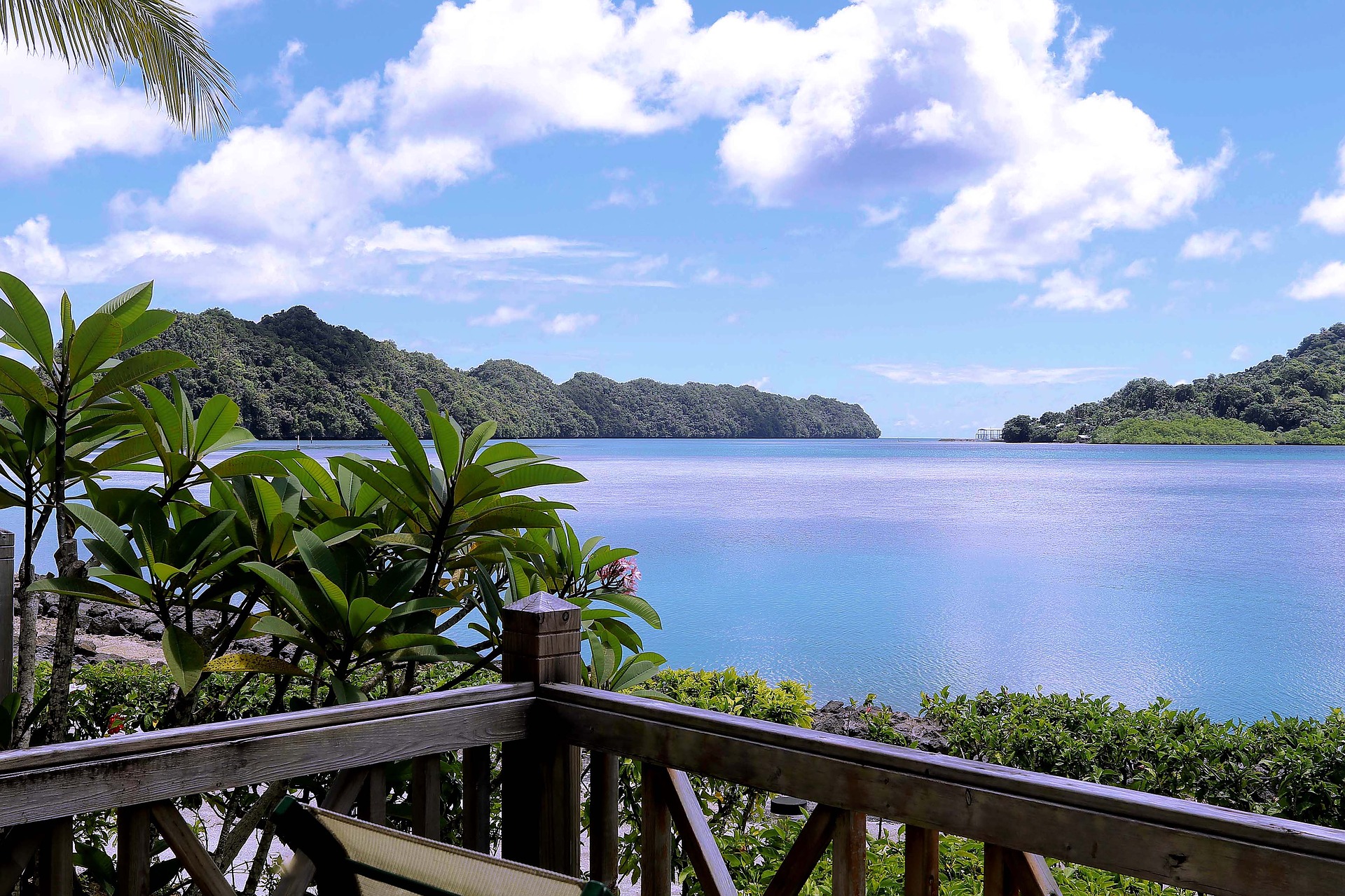
Palau is a group of more than 300 islands east of the Philippines, famous for world-class diving at Blue Corner, the UNESCO-listed Rock Islands, Jellyfish Lake and the world's first shark sanctuary.
Palau (Belau) is an island nation of more than 300 tropical islands in the western Pacific, south-east of the Philippines, with just over 21,000 people. Koror, the former capital, has nearly all the shops, restaurants, hotels and dive operators; the capital, Ngerulmud, is on the larger island of Babeldaob.
Visitors come above all for what lies under the water. The Rock Islands, some 250 mostly tiny and uninhabited islands, are a World Heritage Site, and Blue Corner, the Blue Holes and German Channel are its best-known dives. Palau created the world's first shark sanctuary and protects its reefs strictly: every visitor signs the Palau Pledge to respect the environment, and reef-toxic sunscreen is banned. On land there are stone monoliths, traditional storyboard carvings and Second World War battlefields.
- Rock Islands: About 250 mostly tiny, uninhabited islands, a UNESCO World Heritage Site.
- Blue Corner: A famous dive with constant sharks and strong currents.
- Jellyfish Lake: Snorkel with stingless jellyfish, now present only at times.
- Ancient monoliths: Stone monoliths and terraces, visited with a guide who tells their legends.
- Storyboards: Wood carvings of Palauan myths and legends.
Places to visit
- City
- Island
- Park
- Historic site
Cities
- Koror: The largest town and former capital, with most hotels, restaurants and dive shops.
- Melekeok: On Babeldaob, 2 km from the capital, a pleasant drive from Koror.
- Ngerulmud: The national capital, on Babeldaob.
Beyond the cities
- Rock Islands Southern Lagoon (park): The UNESCO-listed Rock Islands, base for most diving and snorkelling trips.
- Jellyfish Lake (site): A marine lake on Eil Malk, visited on snorkelling tours; diving is not allowed.
- Babeldaob (island): The largest island, with the airport and the capital.
- Peleliu (island): Scene of major Second World War battles; unexploded ordnance is a higher risk here.
- Angaur (island): A southern island where Japanese is an official language; wartime ordnance remains a risk.
- Helen Reef (site): A remote conservation area in the south-west islands, best visited with your own boat.
Regions
- Babeldaob
- Koror
- Rock Islands
Things to do
See
- Wreck and battlefield tours: Dive shops and liveaboards run trips to Second World War sites.
- Monoliths tour Babeldaob: Ancient stone monoliths and terraces with a guide.
- Museums in Koror Koror: Traditional culture and wartime history.
Do
- Dive Blue Corner Rock Islands Southern Lagoon: Sharks and strong currents, under an hour by boat from most resorts.
- More classic dives: German Channel, Ulong Channel and the Blue Holes; dive boats leave from Koror.
- Snorkel Jellyfish Lake Jellyfish Lake: Join a tour; jellyfish are now present only sporadically.
Drink
- Red Rooster Beer Koror: Palau's small brewery, with amber, stout and other beers.
Shop
- Buy a storyboard: Wood carvings telling Palauan legends.
Holidays and events
- 1 January 2026 · New Year's Day
- 15 March 2026 · Youth Day
- 5 May 2026 · Senior Citizens Day
- 1 June 2026 · President's Day
- 9 July 2026 · Constitution Day
- 7 September 2026 · Labour Day
- 1 October 2026 · Independence Day
- 24 October 2026 · United Nations Day
- 26 November 2026 · Thanksgiving Day
- 27 November 2026 · Family Day
- 25 December 2026 · Christmas Day
Getting around
| Main airports | ROR |
|---|
Koror has many taxis and a limited bus service; use marked taxis and agree the fare first. Cars and motorcycles can be rented; traffic drives on the right, the national speed limit is 25 mph (40 km/h), and overtaking is illegal. Main roads in Koror are good, but elsewhere many roads are unpaved, narrow or flooded in the rainy season, and a four-wheel drive may be needed. Avoid driving after dark, as roads are unlit and drink-driving is common. You can drive for 30 days on a UK photocard licence, or on a Canadian licence with an IDP; after that you need a Palauan licence. Travel between islands is by boat.
Flying to Palau? PartnerCompare fares and find the cheapest datesSearch flightsWhere to stay
- Guesthouses: Small boutique places, often booked through dive shops, from about US$50 a night.
- Hotels: Simple hotels, mostly in Koror.
- Dive resorts: Many upmarket resorts cater for scuba divers.
Eat and drink
Dishes to try
- Bento boxes: Japanese-style lunch boxes, very popular.
Drinks
- Red Rooster Beer: From Palau's own small brewery.
- Fruit smoothies: Fresh from small stalls in Koror.
| Tipping | 10–15%, as in the United States. |
|---|
Koror has the most restaurants and well-stocked stores catering to the Taiwanese, Filipino, Korean, Japanese and American communities, at a price. The drinking age is 21, and drinking in public is illegal.
Entry requirements and visas
| Passport validity | At least 6 months beyond your departure date, according to Canada |
|---|
| Passport | Entry | Max stay | Notes |
|---|---|---|---|
| United Kingdom | Visa on arrival | 30 days | 30-day tourist visa issued on arrival; you may need proof of onward travel. |
| Canada | Visa on arrival | 30 days | Extensions require a request to the Chief of Immigration and a fee. |
Other nationalities: check the official source below.
Complete the online Palau entry form within 72 hours of your scheduled arrival, and on arrival sign the Palau Pledge, stamped in your passport, promising to protect the environment. Officers may ask for a return ticket and proof of funds. Reef-toxic sunscreen is illegal and will be confiscated: bring one based on zinc oxide or titanium dioxide, or buy reef-safe sunscreen locally. E-cigarettes and vapes are banned. Declare personal items worth more than US$400 and cash of US$10,000 or more. Rules depend on your passport and can change: check with Palau's Bureau of Immigration before you book.
Money and payments
| Currency | US Dollar (USD) |
|---|---|
| Cards | Common |
Palau uses the US dollar. Major credit cards are accepted in most hotels and tourist businesses, but card and ATM fraud has increased: use ATMs inside banks or businesses and watch your card. Doctors often want cash. Prices are high, and Wikivoyage puts even a low budget at around US$100 a day. Tipping works as in the United States, usually 10–15%.
Health
| Recommended vaccines | Routine vaccines, including measles (MMR), COVID-19, Hepatitis A, Hepatitis B, Typhoid, Rabies, only for some travellers: ask a travel clinic |
|---|---|
| Malaria | None |
| Tap water | Varies |
Wikivoyage reports that tap water is generally safe, but do not drink from private wells. The CDC lists dengue and Zika, both spread by mosquitoes, so avoid bites. Belau National Hospital in Koror, under two hours from most places, has a pharmacy and Palau's only hyperbaric chamber for diving accidents; serious cases may need evacuation, and doctors often expect cash. Take insurance that covers diving and evacuation. Ambulance: 911.
This is general information, not medical advice: check with a travel health professional before you go.
Safety
- United States: Level 1: Exercise Normal Precautions (2026-10-20)
- Canada: Take normal security precautions (2026-10-20)
- United Kingdom: No advice against travel (2026-10-20)
Crime is low; theft of unattended items is the main risk. Unexploded Second World War bombs remain, especially on Peleliu and Angaur: do not touch metal objects in caves or off the main paths, and report them. Choose a reputable dive operator with oxygen on board; some of the 60-plus drop-offs are for experienced divers only. Beaches have no lifeguards and rip currents are common. Saltwater crocodiles live in the mangroves and the Rock Islands, with no warning signs, so follow local advice near mangroves; bull sharks are common in coastal waters. Rain is heaviest from April to November; typhoons are possible from June to December, and earthquakes and tsunamis can occur.
Customs and etiquette
Palauans are known for their hospitality; in return, respect local culture, historic sites and the ocean. Dress conservatively and behave discreetly. Drinking in public is illegal, and drug penalties are heavy. It is illegal to take anything from sunken Second World War ships or aircraft. Single-use plastics and reef-toxic sunscreens are banned. Same-sex relationships are legal but may meet discrimination.
Language
| Official languages | English, Palauan |
|---|---|
| English | Common |
What to pack
- Reef-safe sunscreen: Zinc oxide or titanium dioxide only; others are confiscated.
- Dive insurance: Cover for diving and medical evacuation.
- Insect repellent: Dengue and Zika are present.
- Reusable bottle and bag: Single-use plastics are banned.
Quick reference
Country facts
| Capital | Ngerulmud |
|---|---|
| Population | 17,663 (2025) |
| Area | 460 km² |
| Time zone | Pacific/Palau (UTC+9) |
| Calling code | +680 |
| Driving side | right |
Staying connected
| SIM and eSIM | Two carriers, PNCC and Globus; SIM cards are sold in mini-marts, shopping centres and their stores. |
|---|---|
| Wi-Fi | Free Wi-Fi is common around Koror. |
Emergency numbers
| Emergency | 911 |
|---|
Frequently asked questions
Do I need a visa for Palau?
UK and Canadian travellers get a 30-day visa on arrival. Fill in the online entry form within 72 hours of your scheduled arrival. Check the official rules for your passport before you book.
What is the Palau Pledge?
A promise to protect Palau's environment, signed and stamped in your passport on arrival.
Can I bring my own sunscreen?
Only reef-safe sunscreen, usually with zinc oxide or titanium dioxide; other types are illegal and confiscated.
Can I still swim in Jellyfish Lake?
Tours still go, but warming water means the jellyfish are now present only sporadically. Scuba diving is not allowed in the lake.
What currency is used?
The US dollar; cards are accepted at most hotels, but watch for card fraud.
When is the rainy season?
Rain falls all year, heaviest from April to November according to the UK; typhoons are possible from June to December.
Sources This guide was last checked on · 15 sources
- Wikivoyage: Palau · Overview, Places to visit, Things to do, Getting around, Where to stay, Eat and drink, Entry requirements and visas, Money and payments, Health, Safety, Customs and etiquette, Language, What to pack, Staying connected, Frequently asked questions
- UK FCDO: Palau safety and security · Places to visit, Getting around, Money and payments, Safety, Customs and etiquette
- Nager.Date: public holidays in Palau, 2026 · Holidays and events
- Government of Canada: Palau travel advice (updated 15 October 2026) · Getting around, Entry requirements and visas, Money and payments, Safety, Customs and etiquette, What to pack, Frequently asked questions
- UK FCDO: Palau entry requirements · Entry requirements and visas, What to pack, Frequently asked questions
- Wikidata · Money and payments, Country facts
- ISO 4217 (SIX), published 2026-09-17 · Money and payments
- CDC Travelers' Health: Palau · Health, Frequently asked questions
- UK FCDO: Palau health · Health, What to pack
- US Department of State: Palau travel advisory · Safety
- UK FCDO: Palau travel advice · Safety
- World Bank, SP.POP.TOTL · Country facts
- World Bank, AG.LND.TOTL.K2 · Country facts
- IANA Time Zone Database, zone.tab · Country facts
- UK FCDO: Palau getting help · Emergency numbers
Suggest an update
Travel rules, prices and timetables change. If something in this guide is out of date, tell us: we check every suggestion against an official source before changing the page.