

- Local time
- 07:07 (capital)
- Calling code
- +672
Overview
Antarctica is the coldest and driest place on Earth: a continent of ice, glaciers and penguin colonies, reached by expedition ship or charter flight in the short summer from November to February.
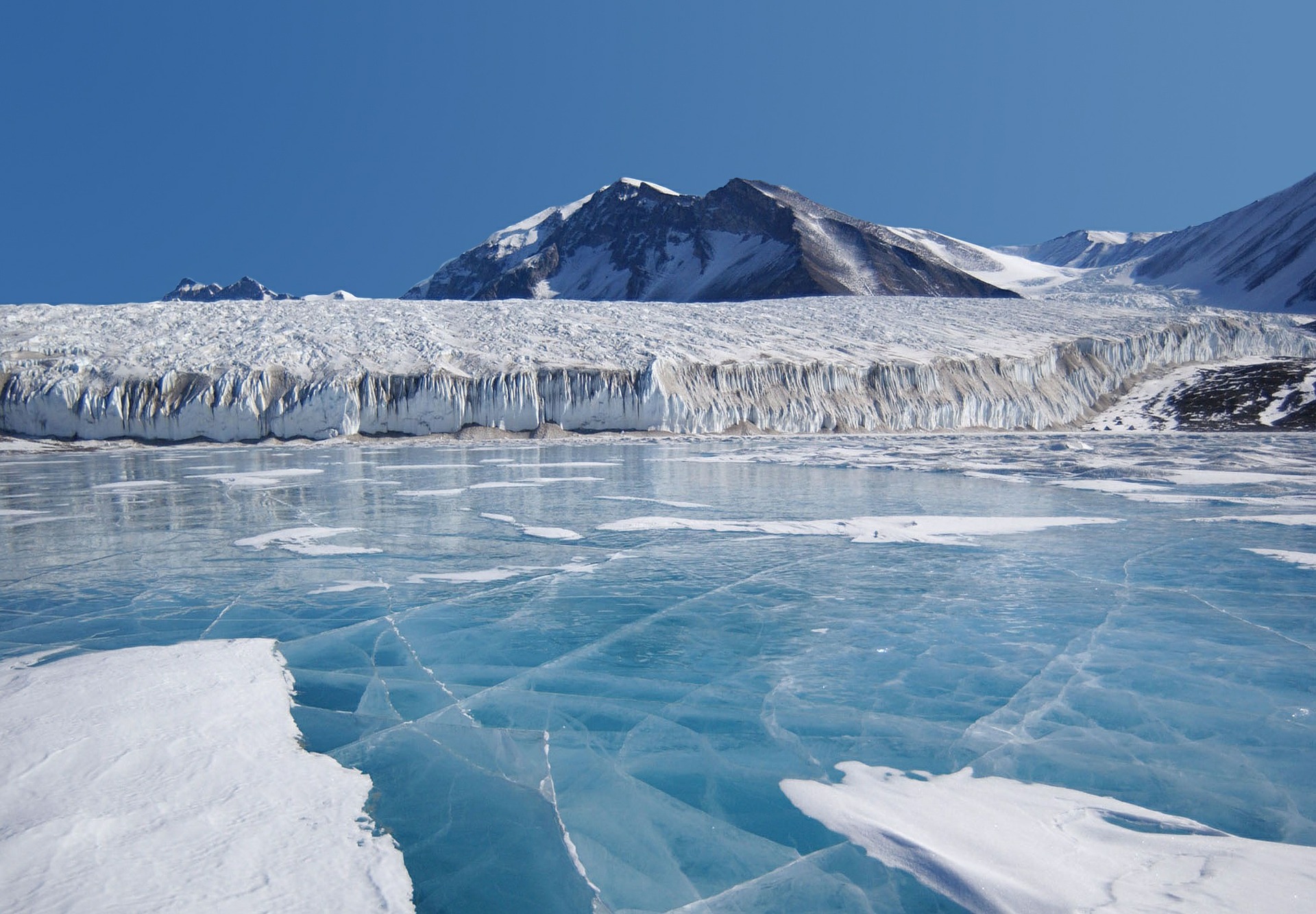
Antarctica surrounds the South Pole and is covered almost entirely by a permanent ice sheet, 2 to 3 km thick inland. It belongs to no country: an international treaty system governs it as a scientific preserve, and the only people living here are a few thousand staff at some four dozen research bases in summer, far fewer in winter.
Tourism is limited to the summer season and, in practice, to the Antarctic Peninsula, the nearby islands and the Ross Sea. Most visitors come on an expedition cruise, usually from Ushuaia in Argentina, and go ashore by inflatable boat to see penguins, seals, whales, glaciers and huge icebergs. Trips are expensive and physically demanding, and everything depends on the weather; there are no hotels and no tourist services on land.
- Penguin colonies: Adélie, gentoo, chinstrap and emperor penguins along the coast.
- Lemaire Channel: A narrow channel between cliffs and towering ice on the Peninsula.
- Deception Island: A flooded volcanic caldera with hot springs and old whaling ruins.
- Port Lockroy: A former British base turned museum, with a post office.
- Whales and seals: Humpback, minke and orca whales; Weddell, crab-eater and leopard seals.
- The South Pole: Reached only by specialist flights from a few inland camps.
Places to visit
- Coast
- Island
- Mountain
- Historic site
- Area
Beyond the cities
- Antarctic Peninsula (area): The most visited part of the continent, with a milder climate, open water in summer and most cruise landings.
- Lemaire Channel (coast): A 1.6 km wide passage between cliffs and ice, often with whales; icebergs sometimes block it.
- Port Lockroy (site): The old main British base, now a museum where you can post a card.
- Deception Island (island): An active volcano in the South Shetlands: ships sail into its flooded caldera through Neptune's Bellows.
- King George Island (island): Home of the Villa Las Estrellas airstrip, the usual transfer point for fly-cruises from Punta Arenas.
- Danger Islands (island): At the tip of the Peninsula, with the largest known Adélie penguin colony.
- Ross Island (island): Historic base for expeditions to the Pole, with explorers' huts, McMurdo Station and Mount Erebus.
- Mount Erebus (mountain): A 3,794 m active volcano with a lava lake in its summit crater.
- Vinson Massif (mountain): Antarctica's highest peak, 4,892 m, climbed from the Union Glacier camp.
- South Pole (site): A large research base at 2,835 m on the polar plateau; no wildlife lives this far inland.
Regions
- Antarctic Peninsula
- Islands of the Southern Ocean
- East Antarctica
- West Antarctica
- Ross Sea
- South Pole
Things to do
See
- Watch penguins ashore Antarctic Peninsula: Landings near colonies follow a line of cones you must not cross, to avoid disturbing the birds.
- Cruise the Lemaire Channel Lemaire Channel: Still water, whales and walls of ice on one of the classic Peninsula routes.
- Midnight sun: Inside the Antarctic Circle the sun does not set in midsummer; most of the Peninsula lies north of it.
- Southern aurora: Only visible in full darkness, so not in midsummer: your best chance is on the sailing home.
Do
- Bathe in a volcano Deception Island: Geothermal hot springs inside the caldera, next to a chinstrap colony and old whaling station ruins.
- Zodiac cruises among the ice: Small inflatable boats take you close to icebergs and floes; about a third of landings are called off for weather.
- Send a postcard Port Lockroy: Unusual postmarks from Port Lockroy, Villa Las Estrellas or McMurdo.
- Climb Mount Vinson Vinson Massif: The continent's highest summit, for experienced mountaineers on organised expeditions.
Getting there and around
Getting there
By ship: the most common way. Expedition ships sail from November to February, mostly from Ushuaia in Argentina and some from Punta Arenas or from New Zealand, to the Peninsula and nearby islands, often adding South Georgia and the Falklands. Crossing the Drake Passage takes days and seas are often rough. Smaller ships (under 100 passengers) can land all their passengers at once: rules allow at most 100 visitors ashore at a time. A few charter sailboats also make three- to six-week voyages from South America.
By air: fly-cruises use charter flights of about two hours from Punta Arenas to King George Island, saving the Drake crossing. Private summer camps on the inland ice receive flights from Punta Arenas and Cape Town for trips to the South Pole and Mount Vinson. There are no scheduled commercial flights. Sightseeing overflights from Australia do not land.
Getting around
On land, transport means skis, snowmobiles, tracked vehicles, helicopters and ski planes, all run by bases or expedition companies. Cruise passengers move between ship and shore in zodiacs (inflatable powerboats) and must follow the crew's instructions. Independent travellers must be fully self-sufficient: research stations are not able to help tourists.
Where to stay
There are no hotels or lodges, and research bases do not house tourists. Most visitors sleep in their cabin on board ship; inland trips to the South Pole or Mount Vinson use seasonal camps run by expedition companies. Within the Antarctic Circle daylight lasts 24 hours in summer, so try to keep regular sleeping hours.
Eat and drink
Cruise passengers eat on board, where the main risk is the buffet. Ashore and on expeditions, food must be carried in, compact and energy-rich, because liquids freeze. Never eat, touch or feed wildlife, alive or dead: the Antarctic Treaty forbids it. Do not drink alcohol outdoors in the cold, as it gives a false feeling of warmth.
Entry requirements and visas
Antarctica has no border controls and no visas, but it is governed by the Antarctic Treaty and visits south of 60°S need permission from a Treaty country. Tour and cruise operators normally obtain this permit for their passengers: confirm it with yours before you travel. Independent expeditions must apply themselves, months in advance (Wikivoyage suggests six), to the authority of their own country; Canadians, for example, apply to Environment Canada. You also need passports and visas for the countries you pass through on the way, such as Argentina, Chile or New Zealand: check their entry rules before you book.
Health
| Recommended vaccines | Routine vaccines, including measles (MMR) and the yearly flu shot, COVID-19, Hepatitis B (recommended by Canada for all travellers), Other vaccines depending on the countries you travel through |
|---|
Ships carry people from all over the world in close quarters, which raises the risk of flu, measles and other infections passed from person to person; norovirus can also spread on board. Cold, wind and intense sun bring the risk of frostbite, dehydration and eye damage: bring proper polar clothing, sunglasses and high-factor sunscreen. You need to be healthy and reasonably fit, and long-term conditions should be well controlled. Medical help is far away: an evacuation can take days and be extremely expensive, so take insurance that covers your whole itinerary. Seasickness on the Drake Passage is common.
This is general information, not medical advice: check with a travel health professional before you go.
Safety
- United States: Level 2: Exercise Increased Caution (2026-10-20)
- Canada: Exercise a high degree of caution (2026-10-20)
The danger in Antarctica is nature, not crime. Weather is extreme and changes fast: katabatic winds on the coast often exceed 100 km/h and gusts can reach 160 km/h. There is no emergency number, no public phone service and no consular office, and rescue may take a long time. Canada advises against any trip that is not part of an international scientific expedition or organised through a tour operator. At sea, keep one hand for the ship in heavy weather and stay in your cabin when told; on zodiac transfers follow the crew exactly, because survival time in the water is very short. Ashore, keep away from wildlife: leopard seals sometimes attack the floats of small boats.
Customs and etiquette
The whole continent is a protected natural reserve under the Madrid Protocol to the Antarctic Treaty. Without a permit you may not disturb wildlife, bring in plants or animals, leave waste or enter specially protected areas. Keep your distance from animals and never surround them, stay behind the cones at penguin colonies, take every scrap of rubbish back to the ship and follow the boot-cleaning rules. Responsible operators belong to IAATO, the International Association of Antarctica Tour Operators, which sets standards for visits.
What to pack
- Polar-grade waterproof clothing: Parka, waterproof trousers, hood, gloves and warm underwear; you can rent some in Ushuaia, but sizes are limited.
- Waterproof boots and plenty of wool socks: Wet landings and long, still zodiac rides; some operators issue standard kit, so ask first.
- Sunglasses and sunscreen SPF 40+: Sun reflected by ice and snow can damage your eyes and skin.
- Seasickness remedies: The Drake Passage is often very rough.
- Travel and medical insurance: Evacuation can take days and cost a fortune.
Quick reference
Country facts
| Population | 4,400 (2009) |
|---|---|
| Area | 14,000,000 km² |
| Time zone | Antarctica/McMurdo (UTC+13), Antarctica/Casey (UTC+8), Antarctica/Davis (UTC+7), Antarctica/DumontDUrville (UTC+10), Antarctica/Mawson (UTC+5), Antarctica/Palmer (UTC-3), Antarctica/Rothera (UTC-3), Antarctica/Syowa (UTC+3), Antarctica/Troll (UTC+0), Antarctica/Vostok (UTC+5) |
| Calling code | +672 |
Staying connected
| SIM and eSIM | Only a few bases have mobile coverage; elsewhere only satellite phones work, and inland only Iridium. |
|---|---|
| Wi-Fi | All internet goes via satellite, with little bandwidth and high latency: photos upload, but video calls and streaming do not work. |
Frequently asked questions
When can I visit Antarctica?
Only in the southern summer, from November to February. Organised tours do not run in winter, when the continent gets little or no sunlight.
Do I need a visa for Antarctica?
No visa, but visits need a permit from an Antarctic Treaty country; tour operators usually arrange it. You do need the right documents for the countries you transit.
How do most people get there?
On an expedition ship, mostly from Ushuaia in Argentina, or on a fly-cruise from Punta Arenas to King George Island.
Where will I sleep?
On your ship. There are no hotels, and research bases do not take tourists.
How cold is it?
Around the coast in midsummer, roughly -2°C to 4°C, sometimes warmer on the Peninsula. Inland it is far colder.
Which vaccines do I need?
Keep routine vaccines, flu and COVID-19 up to date, as the CDC advises; other vaccines depend on the countries you pass through.
Sources This guide was last checked on · 6 sources
- Wikivoyage: Antarctica · Overview, Places to visit, Things to do, Getting there and around, Where to stay, Eat and drink, Entry requirements and visas, Health, Safety, Customs and etiquette, What to pack, Staying connected, Frequently asked questions
- Government of Canada: Antarctica travel advice (updated 27 April 2026) · Overview, Getting there and around, Where to stay, Entry requirements and visas, Health, Safety, Customs and etiquette, What to pack, Staying connected, Frequently asked questions
- CDC Travelers' Health: Antarctica · Health, Frequently asked questions
- US Department of State: Antarctica travel advisory · Safety
- Wikidata · Country facts
- IANA Time Zone Database, zone.tab · Country facts
Suggest an update
Travel rules, prices and timetables change. If something in this guide is out of date, tell us: we check every suggestion against an official source before changing the page.