

- Local time
- 10:41
- Currency
- Honduran Lempira (HNL)
- Capital
- Tegucigalpa
- Calling code
- +504
- Drive on the
- right
Overview
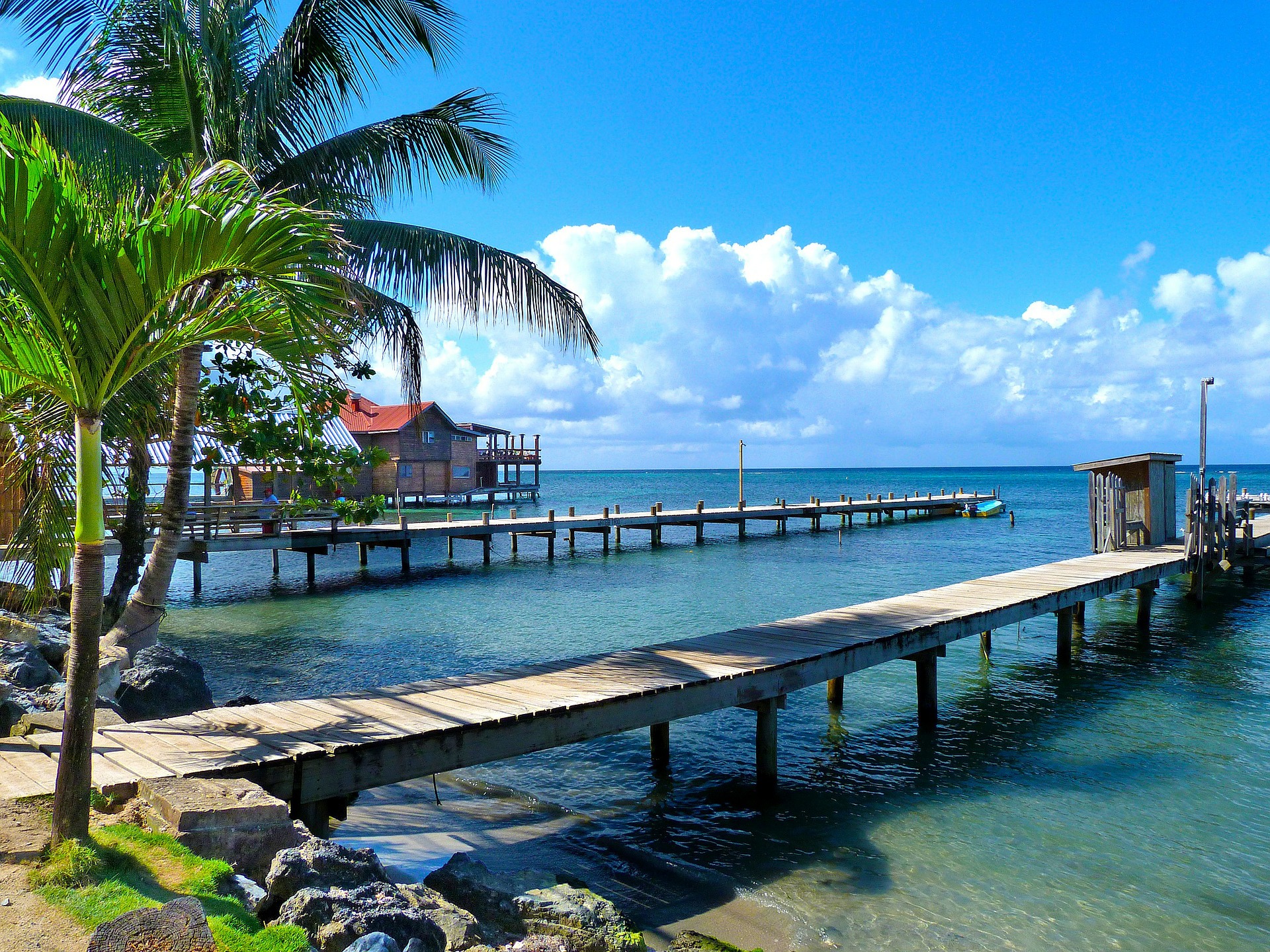
Honduras has the Maya ruins of Copán, colonial towns such as Comayagua and Gracias, and the Bay Islands, where diving and snorkelling on the Caribbean reef draw most visitors.
Honduras is the second-biggest country in Central America: a mountainous interior with narrow coastal plains, a long Caribbean coastline and a short stretch of Pacific coast. The main reasons to go are in three areas. In the west, the ruins of Copán are among the most impressive of the Maya world, famous for their sculpture. The colonial towns of Comayagua and Gracias sit in the highlands. Off the Caribbean coast, Utila, Roatán and Guanaja form the Bay Islands, known for coral reefs and dive schools.
Cities such as Tegucigalpa, San Pedro Sula, La Ceiba, Tela and Copán Ruinas have good services, while rural areas can be basic. Official advice is serious: the US State Department rates Honduras at Level 3: Reconsider Travel, and Canada advises a high degree of caution because of crime. Read the safety section before you plan your route.
- Copán: Maya ruins in the west, a UNESCO World Heritage Site known for the quality of its carved stone.
- Bay Islands: Utila, Roatán and Guanaja, with coral reefs, snorkelling and dive schools.
- Comayagua: The former capital, a quiet colonial town with a cathedral and a historic centre.
- Gracias and Celaque: A colonial mountain town next to the cloud forests of Parque Celaque.
- Lake Yojoa: The largest lake in Honduras, known for fried fish, with two national parks nearby.
- Valle de Ángeles: A small town of craft shops, carved wood and pottery, about 22 km from Tegucigalpa.
Places to visit
- City
- Island
- Park
- Historic site
- Area
Cities
- Tegucigalpa: The capital and largest city, with a milder climate than the coast.
- San Pedro Sula: The main transport and business hub, in the Sula Valley in the north-west, with buses to most of the country.
- La Ceiba: A port on the Caribbean coast with daily ferries to Roatán and Utila.
- Comayagua: The former capital, with a colonial cathedral, Spanish architecture and a historic centre.
- Gracias: A colonial mountain town and the base for Parque Celaque.
- Santa Rosa de Copán: A temperate mountain city in the west, the largest town near Copán.
- Tela: An old town on a sandy stretch of the Caribbean coast, with a large tropical botanical garden.
Beyond the cities
- Copán (site): Maya ruins known for their sculpture, a UNESCO World Heritage Site.
- Bay Islands (island): Utila, Roatán, Guanaja and the Hog Islands, popular for snorkelling and diving.
- Lake Yojoa (area): The largest lake in the country, with rainforest and cloud forest in two national parks nearby.
- Cusuco National Park (park): Dense cloud forest reached from San Pedro Sula along a 4x4 track.
- Parque Celaque (park): Cloud forest around the highest mountain in Honduras, near Gracias.
- Valle de Ángeles (town): A small town about 22 km from Tegucigalpa, given over to craft shops and woodwork.
Regions
- Caribbean Honduras: The long Caribbean coastline and the Bay Islands, with the almost empty Mosquito Coast in the east.
- Honduran Highlands: The mountainous interior, where temperatures are coolest.
- Pacific Honduras: The short stretch of coast on the Pacific side.
Things to do
See
- The ruins of Copán Copán: The ruins of a Maya city known for the quality of its sculpture, a UNESCO World Heritage Site, with museums nearby.
- Colonial Comayagua Comayagua: The cathedral and old streets of the former capital.
- Birdwatching: Look out for the scarlet macaw (Ara macao), the national bird.
Do
- Diving and snorkelling Bay Islands: Reefs off Utila and Roatán, with dive schools well known for training new divers; on Roatán you can swim near giant barrel sponges.
- Hiking and kayaking on Utila Bay Islands: Utila also has walking, kayaking and a beach for days out of the water.
- Cloud forest walks Parque Celaque: Forest trails around the highest mountain in Honduras, from Gracias.
- Cusuco National Park Cusuco National Park: A 4x4 trip from San Pedro Sula into dense cloud forest.
Eat
- Fried fish at Lake Yojoa Lake Yojoa: The lake is famous for its fried fish, and the country's first microbrewery is nearby.
Shop
- Crafts in Valle de Ángeles Valle de Ángeles: Carved boxes and tables, hammocks, paintings and pottery.
- Mercado Guamilito San Pedro Sula: A craft market for leather goods, Lenca pottery, carved wooden boxes, hammocks, paintings and woven fabrics; bargaining is expected.
Itineraries
Copán and Lake Yojoa in 6 days (6 days)
- San Pedro Sula (1 night): The international airport and the main bus hub, with first-class buses to Copán.
- Copán (3 nights): The ruins and the museums nearby.
- Lake Yojoa (2 nights): Fried fish, the national parks around the lake and a local microbrewery.
The Bay Islands in 8 days (8 days)
- La Ceiba (1 night): The ferry dock for Roatán and Utila: arrive about an hour early to buy tickets.
- Bay Islands (7 nights): The ferry takes about 60 minutes to Utila and 80 minutes to Roatán. Learn to dive, or snorkel the reef.
Colonial highlands in 6 days (6 days)
- Tegucigalpa (2 nights): The capital, with a day trip to the craft shops of Valle de Ángeles.
- Comayagua (2 nights): The cathedral and the historic centre.
- Gracias (2 nights): A colonial mountain town and the cloud forests of Parque Celaque.
Climate and best time to visit
| Jan | Feb | Mar | Apr | May | Jun | Jul | Aug | Sep | Oct | Nov | Dec | |
|---|---|---|---|---|---|---|---|---|---|---|---|---|
| Max °C | 26 | 27 | 30 | 30 | 30 | 29 | 28 | 29 | 29 | 27 | 26 | 25 |
| Min °C | 14 | 15 | 16 | 17 | 18 | 18 | 18 | 18 | 18 | 18 | 16 | 15 |
| Rain mm | 5 | 5 | 10 | 43 | 144 | 159 | 82 | 89 | 177 | 109 | 40 | 10 |
Honduras is hot and humid for most of the year, and the temperature depends more on altitude than on the season: the mountains are coolest. In Tegucigalpa Wikivoyage gives the dry season as December to May, though in the WMO figures the rains already start in May. The table shows almost no rain from December to March (under 10 mm a month), maximums between 25 °C and 30 °C, and the wettest months in May, June and September, each with over 140 mm.
On the Caribbean coast the heaviest rain falls from September to February, and the hurricane season runs from May to November, when landslides and floods can cut roads. That makes March and April the months that are dry in the capital and outside the coast's wet season and the hurricane months. April is also one of the hottest months in Tegucigalpa, with maximums of about 30 °C.
Holidays and events
- 1 January 2026 · New Year's Day
- 2 April 2026 · Maundy Thursday
- 3 April 2026 · Good Friday
- 4 April 2026 · Holy Saturday
- 14 April 2026 · America's Day
- 1 May 2026 · Labour Day
- 15 September 2026 · Independence Day
- 3 October 2026 · Francisco Morazán's Day/Soldier's Day
- 12 October 2026 · Columbus Day
- 21 October 2026 · Army Day
- 25 December 2026 · Christmas Day
Getting there and around
Getting there
By air: the international airports are at San Pedro Sula, Palmerola (north of Tegucigalpa) and Roatán, with flights to the US, Mexico City, San Salvador and Madrid. A departure tax of US$40 to 55 for international flights (2026) is normally included in your ticket. By land: roads and buses arrive from Guatemala, El Salvador and Nicaragua, including direct coaches from Guatemala City, San Salvador and Managua. Immigration may charge a US$3 fee in cash at land borders (2026): keep the receipt. Cross in the morning, as borders sometimes close early in the evening; the El Florido crossing near Copán closes every day from 21:00 to 06:00. By sea: boats from Belize arrive at Puerto Cortés, and many cruise ships call at the Bay Islands.
Getting around
Buses: the UK and Canada both warn that public buses are poorly maintained, often driven recklessly and targeted by armed robbers. Canada advises you to avoid intercity public transport and use only companies with a non-stop service; first-class coaches such as Hedman Alas link San Pedro Sula with Copán, Tegucigalpa, Tela and La Ceiba. Ferries run from La Ceiba to Roatán and Utila; during Semana Santa (Easter week) the wait can reach 8 hours, so fly. Domestic flights are often cancelled at short notice, so do not rely on one to reach an international flight.
Taxis: use radio-dispatched or hotel taxis, or a company your hotel recommends. Canada says not to use white street taxis, taxi stands or shared taxis. Driving: UK drivers can use a photocard licence for up to 3 months, but hire companies often also ask for an International Driving Permit. Canadians can drive on their valid licence for up to 3 months, and must carry it with their passport and the vehicle's registration. Road standards are poor: avoid driving at night, keep doors locked and windows closed, do not pick up hitchhikers, and use a 4x4 off the main roads. A real police checkpoint has a police vehicle, green cones and at least five officers. After a serious accident you may be taken into custody whoever was at fault: stay with the vehicle and wait for the police (911).
Flying to Honduras? PartnerCompare fares and find the cheapest datesSearch flightsWhere to stay
- Hotels: Good hotels in the main cities, and in small towns if you pay a little more.
- Resorts: Including on the Caribbean coast around La Ceiba.
- Rental accommodation: On the Bay Islands; lock doors and windows at night and when you go out.
Services are good in Tegucigalpa, San Pedro Sula, La Ceiba, Tela, Utila, Roatán and Copán Ruinas, but basic in much of the countryside. Canada advises choosing accommodation with good security measures, especially in La Ceiba and on the Bay Islands, where some holiday rentals have been burgled.
Eat and drink
Dishes to try
- Plato típico: The classic lunch: rice, beef, fried beans and fried plantain, sometimes with chimol.
- Baleada: A thick flour tortilla filled with refried beans, cheese and cream; the especial adds egg, avocado or meat.
- Chimol: A fresh, mild salsa of tomato, green pepper, onion, coriander and lime.
- Tacos: Meat rolled in a corn tortilla and deep fried, unlike Mexican tacos.
- Enchiladas: A flat fried corn tortilla topped with minced beef, cheese and red sauce.
- Macheteada: A tortilla filled with a sweet flour and sugar mixture.
Drinks
- Coffee: Honduran coffee is known around the world, and brands from Copán are often rated the best.
- Licuados: Fruit juices and milkshakes with mango, pineapple, watermelon or banana.
- Beer and wine: Local beers are easy to find.
Baleadas are the everyday cheap meal, sold almost everywhere. Lake Yojoa is known for its fried fish. Crime is more common near bars and nightclubs, and drinking heavily raises the risk: Canada warns that snacks, drinks and cigarettes offered by strangers may be drugged, so never leave a drink unattended.
Entry requirements and visas
| Passport validity | At least 6 months from the date you arrive; the UK also asks for 2 blank pages |
|---|
| Passport | Entry | Max stay | Notes |
|---|---|---|---|
| United Kingdom | Visa required | The UK says British citizens must have a visa, applied for through the Honduran Embassy. Cruise passengers can go ashore on a 'short pass' while the ship is docked. | |
| Canada | Visa free | 90 days | Tourist visa not required for up to 90 days, shared with Guatemala, El Salvador and Nicaragua under the CA-4 agreement. |
Other nationalities: check the official source below.
British citizens need a visa for Honduras, according to the UK FCDO, even though they can visit Guatemala, El Salvador and Nicaragua without one. Canadians do not need a tourist visa for up to 90 days. Your passport must be valid for at least 6 months from arrival. Make sure the officer stamps it and writes the days allowed, or you may be fined; officials may ask for a return or onward ticket and proof of enough money.
CA-4: Guatemala, El Salvador, Honduras and Nicaragua share one period of stay of up to 90 days, which starts in the first of them you enter. Canada says you can ask the National Migration Institute for an extension of up to 30 days, for a fee, before your stay runs out, with a maximum of 120 days in Honduras.
Fill in the online customs declaration form before you arrive and before you leave, and show its QR code on paper or on your phone. Expect a US$3 cash fee at land borders. A yellow fever certificate is needed only if you arrive from, or transit for more than 12 hours through, a country with yellow fever risk. The age of majority is 21: people aged 20 and under travelling alone or with one parent need a notarised letter in Spanish from the parents not travelling. Rules depend on your passport and can change: check the official link before you book.
Money and payments
| Currency | Honduran Lempira (HNL) |
|---|
The currency is the lempira (HNL, written L), and the US dollar works as a second currency: almost every business takes both, and on the Bay Islands the dollar is the main currency. Bring small US notes, under US$20, in good condition, as torn or marked notes are often refused. British pounds are hard to change, and Canadian dollars cannot be exchanged at all. Lempiras are hard to exchange outside Honduras, so change them before you leave.
ATMs are found in most cities and some give US dollars, but not every foreign card works in every machine, and there are few on the Bay Islands: bring cash. Ask your hotel which ATMs to use, especially on Roatán, and prefer machines in shopping centres or inside banks. Do not withdraw large sums or use ATMs at night, and check them for tampering, as card and ATM fraud happens. Banks change money if you show your passport; money changers at land borders give rates about 5 to 10% below the bank's.
Health
| Required vaccines | Yellow fever certificate, only if you arrive from a country with yellow fever risk (ages 1 to 60, including airport transits over 12 hours) |
|---|---|
| Recommended vaccines | Routine vaccines, including measles (MMR), Hepatitis A, Hepatitis B, Typhoid, for some travellers, Rabies, for some travellers |
| Malaria | Some areas |
| Tap water | Not safe |
Malaria is transmitted throughout the country, including Roatán and the other Bay Islands, but not in the cities of San Pedro Sula and Tegucigalpa; the CDC recommends preventive medicine for certain areas. Dengue and Zika are also spread by mosquitoes, so use repellent. The CDC does not recommend the yellow fever vaccine for Honduras. Rabies is carried by dogs and bats, and the vaccine after a bite may only be available in larger medical facilities. Altitude sickness is a risk in parts of the country. Ask a travel health professional at least 8 weeks before you go.
Tap water is not generally safe: drink bottled water, which is cheap, and use it to brush your teeth. State hospitals are underfunded and short of medicines; private clinics exist only in the major towns, so get insurance that covers repatriation. On the Bay Islands medical care is very limited, though there is a recompression chamber on Roatán and recompression facilities on Utila for divers. You cannot use British prescriptions; look for pharmacy chains such as Farmacias Siman, Kielsa or El Ahorro. For an ambulance, dial 911.
This is general information, not medical advice: check with a travel health professional before you go.
Safety
- United States: Level 3: Reconsider Travel (2026-10-20)
- Canada: Exercise a high degree of caution (2026-10-20)
- United Kingdom: No advice against travel (2026-10-20)
Official advice is serious. The US State Department rates Honduras at Level 3: Reconsider Travel. Canada says to exercise a high degree of caution due to crime, and to avoid non-essential travel to areas within 20 km of the Guatemalan border (except Copán Ruinas, the El Florido crossing and the CA-11 highway to it) and of the Salvadoran border (except the main highways to the El Amatillo and El Poy crossings and the RN-112 between Palmerola airport and El Amatillo); the departments of Gracias a Dios, Olancho and Yoro; Colón except the city of Trujillo; the city of Choluteca; the eastern neighbourhoods of San Pedro Sula (Chamelecón, Cofradía, Rivera Hernández), the city of Choloma and El Planeta in La Lima; and Comayagüela, except Toncontín airport and the main roads to it. The UK FCDO does not advise against travel to any part of Honduras, but says the country has one of the highest violent crime rates in Latin America.
The UK and Canada advise care with these risks:
- Street crime: the UK advises against walking around Tegucigalpa, San Pedro Sula and other mainland cities. Petty theft happens in tourist areas, including the Bay Islands. Do not show valuables, carry little cash and, if threatened, hand over what you have: people have been killed resisting.
- Roads: cars and buses have been attacked. Travel on main roads by day, ideally with a reputable tour company. The UK lists attacks on the roads from Limones to La Unión, from Olancho via Salamá to Saba, from Gualaco to San Esteban, from La Esperanza to Gracias, in Santa Bárbara department and around Tela, La Ceiba, Trujillo and El Progreso.
- Taxis and express kidnappings: victims are forced to withdraw cash at ATMs, sometimes by taxi drivers. Do not hail taxis in the street.
- Fake police: criminals sometimes pose as police at roadblocks; see the transport section for what a real checkpoint looks like.
- Drugged food and drinks have been used for robbery and sexual assault.
The Bay Islands are generally safer than the mainland, but visitors have been attacked, including on the ferries. On the Bay Islands, Canada advises avoiding the Coxen Hole, Los Fuertes and Suampo neighbourhoods after dark, as well as isolated beaches. There are unmarked minefields near the Nicaraguan border: stay on main roads. Security forces run operations against gangs with little notice, and states of emergency give them wider powers to search and detain: carry ID and follow their instructions. Protests can turn violent, and foreigners may not take part in political activity. Hurricanes (May to November), floods, landslides and earthquakes occur, and riptides are common on beaches without lifeguards.
Customs and etiquette
Hondurans are generally friendly and welcoming to visitors who are polite. Poverty is widespread, so be respectful, and treat men and women with equal respect, as women are given less of it in many areas. Tattoos are linked with gangs in Honduras and other Central American countries: keep yours covered. Be careful commenting on how locals speak, even as a compliment, as people who do not speak mainstream Spanish can face prejudice.
Always carry photo ID and a copy of the photo and visa pages of your passport, and keep your hotel and tour bookings at hand, as the authorities may ask to see them. Drug trafficking can bring 15 to 20 years in prison. It is illegal to export firearms, antiques, artefacts from pre-colonial civilisations and some birds, feathers, plants and animals. Same-sex activity is legal, but same-sex marriage is not recognised; Tegucigalpa is largely tolerant, while the rest of the country is more conservative, so avoid public displays of affection.
Language
| English | Limited |
|---|
| Hello | Hola OH-lah |
|---|---|
| Good morning | Buenos días BWEH-nohs DEE-ahs |
| Please | Por favor POHR fah-BOHR |
| Thank you | Gracias GRAH-syahs |
| Excuse me | Disculpe dees-KOOL-peh |
| Do you speak English? | ¿Habla usted inglés? AH-blah oos-TEHD een-GLEHS |
| I don't understand | No entiendo NOH ehn-TYEHN-doh |
| Where is the toilet? | ¿Dónde está el baño? DOHN-deh ehs-TAH EHL BAH-nyoh |
What to pack
- Passport copy (photo and visa pages): Carry it every day and leave the original in a safe place.
- Customs form QR code: You must show it on arrival and departure, on paper or on your phone.
- Small US dollar notes in good condition: Dollars are accepted almost everywhere, and the Bay Islands have few ATMs.
- Insect repellent: Mosquitoes carry malaria, dengue and Zika.
- Two-prong plug adapter: Sockets are US-style at 110 V, and three-prong outlets are less common.
- Phone charger or power bank: Power cuts are common, and Canada advises keeping your phone charged.
- First aid kit: Medical care is limited outside the major towns.
Quick reference
Country facts
| Capital | Tegucigalpa |
|---|---|
| Population | 11,005,850 (2025) |
| Area | 111,890 km² |
| Time zone | America/Tegucigalpa (UTC-6) |
| Calling code | +504 |
| Driving side | right |
Electricity and plugs
| Plug types | A, B |
|---|---|
| Voltage | 110 V |
| Frequency | 60 Hz |
Staying connected
| SIM and eSIM | A local prepaid SIM card works in any internet-capable phone, with data plans by the hour, day or week; keep your phone charged, as power cuts are common. |
|---|
Emergency numbers
| Emergency | 911 |
|---|
Frequently asked questions
Do I need a visa for Honduras?
British citizens need a visa, according to the UK FCDO. Canadians can stay up to 90 days without one. Check the official link before you book.
Is Honduras safe to visit?
Official advice is serious: the US rates it Level 3: Reconsider Travel, and Canada advises a high degree of caution and avoiding non-essential travel to several areas. The Bay Islands are generally safer than the mainland. Read the safety section before you plan.
Can I drink the tap water in Honduras?
No, it is not generally safe. Drink bottled water, which is cheap and easy to find, and use it to brush your teeth.
Is there malaria in Honduras?
Yes, throughout the country, including Roatán and the other Bay Islands, but not in San Pedro Sula or Tegucigalpa. Ask a travel health professional about preventive medicine.
Can I pay in US dollars in Honduras?
Yes. Almost every business accepts dollars as well as lempiras, and on the Bay Islands the dollar is the main currency. Bring small notes in good condition.
When is the best time to visit Honduras?
March and April are dry in Tegucigalpa and fall outside the Caribbean coast's wettest months and the hurricane season, which runs from May to November.
Sources This guide was last checked on · 18 sources
- Wikivoyage: Honduras · Overview, Places to visit, Things to do, Itineraries, Climate and best time to visit, Getting there and around, Where to stay, Eat and drink, Entry requirements and visas, Money and payments, Health, Safety, Customs and etiquette, Language, What to pack, Electricity and plugs, Staying connected, Frequently asked questions
- Wikidata: Honduras · Overview, Places to visit, Money and payments, Country facts, Electricity and plugs
- US Department of State: Honduras travel advisory · Overview, Safety
- Government of Canada: Honduras travel advice (updated 13 October 2026) · Overview, Getting there and around, Where to stay, Entry requirements and visas, Money and payments, Health, Safety, Customs and etiquette, What to pack, Staying connected, Frequently asked questions
- WMO World Weather Information Service: Tegucigalpa · Climate and best time to visit
- UK FCDO: Honduras safety and security · Climate and best time to visit, Getting there and around, Money and payments, Health, Safety, Customs and etiquette, What to pack
- Nager.Date: public holidays in Honduras, 2026 · Holidays and events
- UK FCDO: Honduras entry requirements · Getting there and around, Entry requirements and visas, What to pack, Frequently asked questions
- CDC Travelers' Health: Honduras · Entry requirements and visas, Health, What to pack, Frequently asked questions
- ISO 4217 (SIX), published 2026-09-17 · Money and payments
- UK FCDO: Honduras health · Health
- UK FCDO: Honduras travel advice · Safety
- UK FCDO: Honduras regional risks · Safety
- Wikivoyage: Spanish phrasebook · Language
- World Bank, SP.POP.TOTL · Country facts
- World Bank, AG.LND.TOTL.K2 · Country facts
- IANA Time Zone Database, zone.tab · Country facts
- UK FCDO: Honduras getting help · Emergency numbers
Suggest an update
Travel rules, prices and timetables change. If something in this guide is out of date, tell us: we check every suggestion against an official source before changing the page.