Transylvania in December is cold and the days are short, but it suits travellers who would rather walk Saxon old towns and mountain streets than lie on a beach. Plan five to seven days around Brașov and Sibiu, with a day for Sighișoara and the fortified churches in between, and travel by train between the main towns. The official climate normals of the World Meteorological Organization for Sibiu give December highs around 3°C and lows around −5°C, with January a little colder.
Why now: Romania’s main winter holidays fall in the next few weeks. According to Nager.Date, 30 November (St Andrew’s Day) and 1 December (National Day) are public holidays in 2026, followed by 25 and 26 December, 1 and 2 January, and 6 and 7 January 2027. Check opening hours for museums and churches on those dates.
Brașov: base camp under the mountain
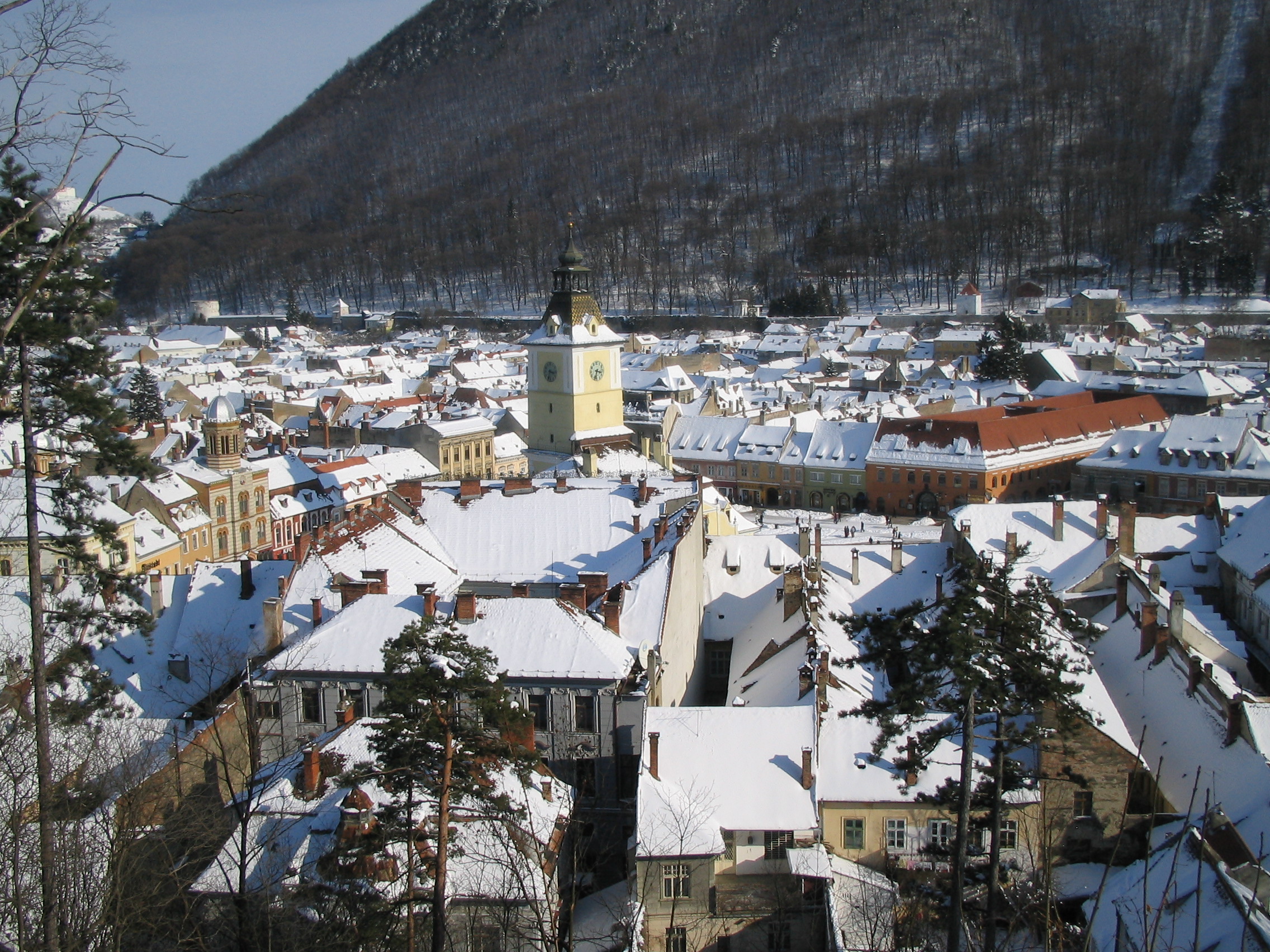
Brașov sits in the Carpathians, about 180 km from Bucharest and roughly three hours away. Its medieval centre grew from the walled Saxon town of Kronstadt, and most of the sights are in the pedestrian streets around Council Square (Piața Sfatului).
- The Black Church, a Gothic church blackened by the great fire of 1689. In winter it closes at 16:00, and entry cost 10 lei for adults when Wikivoyage last listed it. Photos are not allowed inside.
- Mount Tâmpa, the hill above the city with the large BRAȘOV letters, reached by a steep hour’s walk or by cable car (30 lei each way, Wikivoyage).
- Poiana Brașov, a ski resort about 10 km away, for a day on the slopes once the snow arrives.
Bran Castle, south of the city, is the place sold as “Dracula’s castle”. Wikivoyage is frank about it: there is hardly any proof that Vlad Țepeș ever visited. It is a museum today. Nearby, the 13th-century fortress of Râșnov stands on a hill above the town, with houses and small streets inside its walls.
Sighișoara and the fortified churches
The historic centre of Sighișoara, a small medieval fortified town on the Târnava river, is a UNESCO World Heritage site. So is a group of villages with fortified churches in the old Saxon villages of the region. Biertan is one of them.
The villages are the part of the trip where public transport lets you down. Wikivoyage advises renting a car or using buses for landmarks off the main lines, and it suggests asking about maps of the fortified churches at the tourist offices in Sibiu. If you drive, winter tyres are required in winter and the police do check. A private tour from Sighișoara is the easy alternative: Wikivoyage lists four hours with two or three fortified churches for €80 for two people, a 2018 price, so expect more today.
Sibiu: the most complete old town
Sibiu was thoroughly restored when it was European Capital of Culture in 2007, and its upper town is built around two linked squares, Piața Mare and Piața Mică, joined by the Council Tower. The Brukenthal National Museum is on the main square. Food is cheap by Western European standards: Wikivoyage reckons about €30 for two people, with two courses and drinks.
Sibiu has its own airport, 6 km west of the centre, with city bus 11 to the old town. For winter sports, the road south through Rășinari ends at the small ski resort of Păltiniș.
Getting there and getting around
Trains are usually the best way between the main towns, according to Wikivoyage. Sighișoara has six direct trains a day from Bucharest (about six hours) and three a day from Sibiu, usually with a change, in about three hours. From Budapest, an overnight direct train leaves at 19:00 and reaches Sighișoara at 07:00, a good start if you are coming from Hungary.
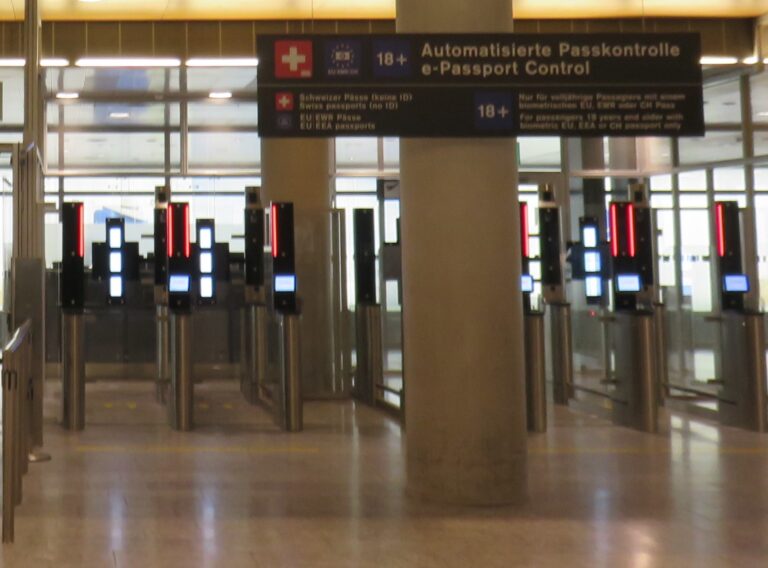
Romania follows the Schengen rules. For British passport holders, the UK Foreign Office confirms visa-free stays of up to 90 days in any 180-day period across the Schengen area, and says the new Entry/Exit System may ask you to register fingerprints and a photo on your first entry. Our story on Schengen’s new border checks explains what to expect at the border. Rules depend on your passport, so check the official advice for your nationality.
The currency is the leu (plural lei). More on money, health and the best time to visit is in our Romania travel guide, with neighbouring countries in the Europe guides. If December appeals, book your Brașov and Sibiu nights now, and keep the holiday dates in mind when you plan the museums.
Cover photo: Benjamin Gantikow, CC BY-SA 3.0, via Wikimedia Commons