

- Local time
- 22:05
- Currency
- US Dollar (USD)
- Capital
- San Juan
- Calling code
- +1787, +1939
- Drive on the
- right
Overview
A Caribbean island with Spanish colonial forts in Old San Juan, the El Yunque rainforest, bioluminescent bays and beaches for surfing and snorkelling. A US territory that uses the US dollar.
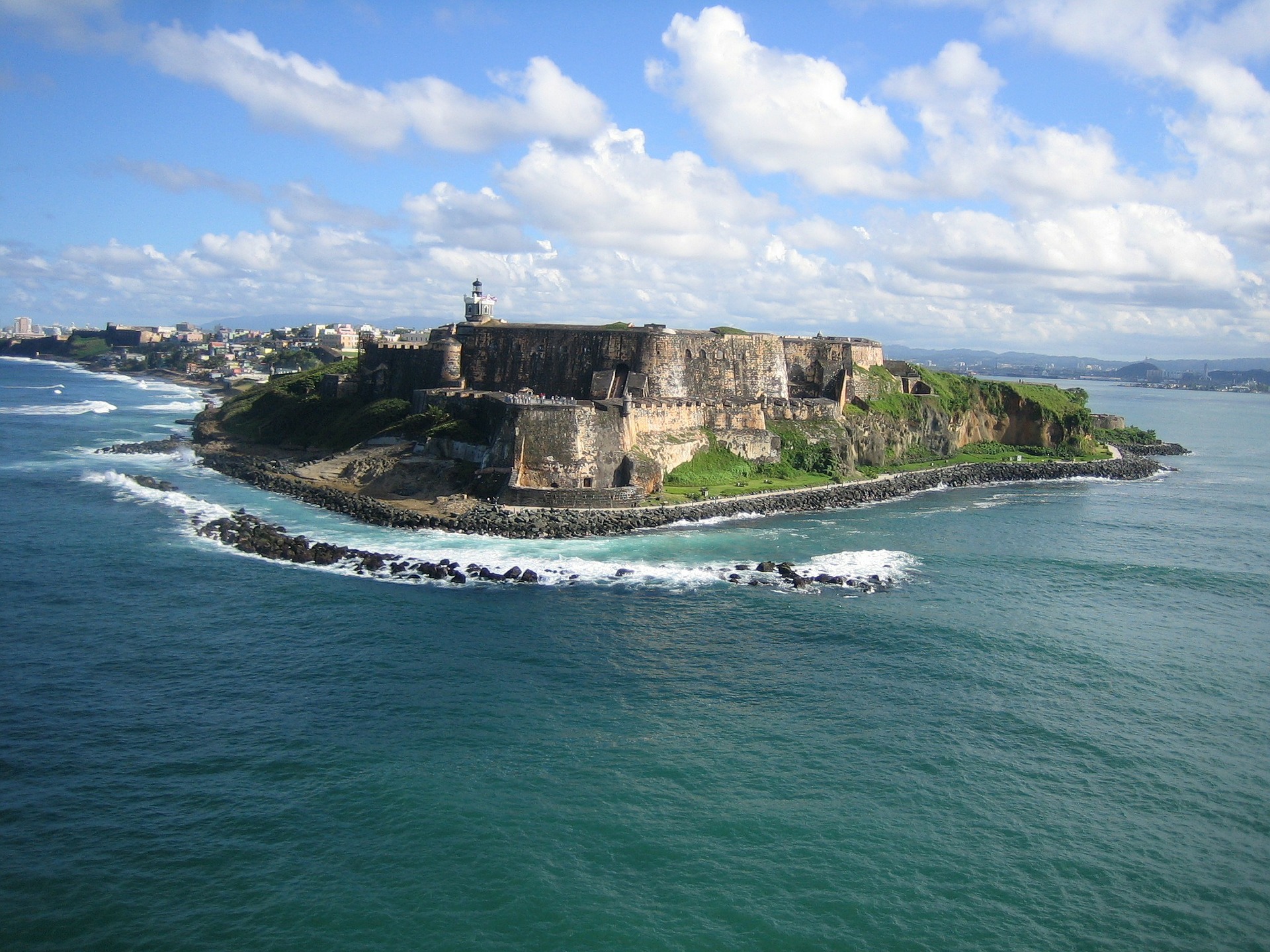
Puerto Rico is the smallest and most easterly island of the Greater Antilles, a self-governing commonwealth of the United States. Spain held the island for more than four centuries, and the walls and forts of Old San Juan, listed by UNESCO, date from that time. The culture mixes Spanish, African and American influences, and Spanish is the language you hear most, although English is also official.
The interior is mostly mountainous, rising to 1,338 metres at Cerro de Punta, with a coastal plain along the north and sandy beaches around most of the coast. Beyond the beaches there is the El Yunque rainforest, the Rio Camuy caves, the karst country around Arecibo, coffee country in the hills north of Ponce and bioluminescent bays that glow at night. The smaller islands of Vieques and Culebra are a short flight or ferry ride from the main island. For travellers from the US mainland it is a domestic trip, and the currency is the US dollar.
- Old San Juan: The colonial city, with the forts of San Felipe del Morro and San Cristóbal and most of the old city wall.
- El Yunque National Forest: A misty, rainy mountain forest with waterfalls, the home of the coquí tree frog.
- Bioluminescent bays: Bays near Fajardo, on Vieques and at La Parguera where tiny organisms glow when the water moves.
- Vieques and Culebra: Two smaller islands off the east coast, good for snorkelling and diving.
- Ponce: The second city, with the Ponce Museum of Art and the Tibes Ceremonial Indigenous Center.
- Rio Camuy Caverns: A guided walk through the main cave, with an underground river and a huge sinkhole.
Places to visit
Cities
- San Juan: The capital and largest city, with a natural harbour, a UNESCO-listed old town and plenty of nightlife.
- Carolina: Home of the main airport and of Isla Verde, with its hotels, clubs and casinos.
- Ponce: The second city, with several important museums and access to the highest mountains.
- Fajardo: A large marina, a bioluminescent bay and the ferries to Vieques and Culebra.
- Arecibo: A historic city near beaches and the karst country, once home to the world's largest radio telescope.
- Aguadilla: The gateway to the west coast, known for its beaches and surfing.
- Mayagüez: The largest city on the west coast, a historic college town.
- San Germán: A small town with a colonial historic district and Porta Coeli, one of the oldest churches in the Caribbean.
- Caguas: The largest inland city and a way into the Cordillera Central.
Beyond the cities
- San Juan National Historic Site (site): The forts of San Cristóbal, San Felipe del Morro and El Cañuelo, with bastions and most of the old city wall.
- El Yunque National Forest (park): The only tropical rainforest in the US national forest system, a rocky, misty peak with waterfalls.
- Guánica State Forest (park): A reserve of tropical dry coastal forest, named an international Biosphere Reserve in 1981.
- Rio Camuy Caverns (site): A 45-minute guided walk through Cueva Clara, with an underground river and a huge sinkhole.
- La Parguera (coast): The site of one of the island's bioluminescent bays.
- Vieques (island): An island off the east coast with a bioluminescent bay and sites for snorkelling and diving.
- Culebra (island): A small island off the east coast, reached by ferry or plane, good for snorkelling and diving.
- Caja de Muertos (island): An uninhabited island off the south coast, protected for its turtles, reached by ferry from Ponce.
- Mona Island (island): An island off the west coast, inhabited only by wildlife, which you can visit by appointment only.
Regions
- Northern Coast
- Porta del Sol
- Porta Caribe
- Eastern Coast
- La Montaña
- Vieques
- Culebra
Things to do
See
- Walk the forts of Old San Juan San Juan: San Felipe del Morro, San Cristóbal and the city walls, part of a UNESCO World Heritage Site with La Fortaleza.
- Kayak a bioluminescent bay Fajardo, Vieques or La Parguera: Go on a night tour near the new moon: the glow is hard to see under a full moon.
- Visit a coffee plantation The mountains north of Ponce: A few plantations are still active or have become museums.
- Go underground at Rio Camuy Rio Camuy Caverns: A 45-minute guided walk through the main cave.
Do
- Hike in El Yunque El Yunque National Forest: Expect rain every day and dress for wet weather; listen for the coquí frog and look out for the endangered Puerto Rican parrot.
- Snorkel and dive Vieques and Culebra: If you book a snorkelling trip, make sure it goes to snorkelling sites and not only to deep dive sites.
- Surf the west coast Aguadilla: The west coast is known for its beaches and surfing.
Eat
- Eat lechón in Guavate Cayey: Roast suckling pig, served at specialist restaurants in the barrio of Guavate, off the San Juan to Ponce highway.
Drink
- Tour a rum distillery Destilería Serrallés: The home of Don Q rum, with tours of the process, a tasting and a museum.
Shop
- Shop at a town festival: Craftspeople from around the island sell food, coffee, carvings and other crafts, often for less than in Old San Juan.
Itineraries
A week around Puerto Rico (7 days)
- San Juan (3 nights): Old San Juan and its forts, then the hotels and nightlife of Isla Verde.
- Fajardo (2 nights): El Yunque and a night tour of the bioluminescent bay.
- Ponce (2 nights): Museums, the coffee country to the north and a ferry to Caja de Muertos.
Five days on the eastern islands (5 days)
- Fajardo (1 night): The ferry port for both islands.
- Culebra (2 nights): Snorkelling and diving.
- Vieques (2 nights): A short flight from Culebra; bioluminescent bay at night.
Holidays and events
- 1 January 2026 · New Year's Day
- 6 January 2026 · Three Kings Day / Epiphany
- 12 January 2026 · Birthday of Eugenio María de Hostos
- 19 January 2026 · Martin Luther King, Jr. Day
- 16 February 2026 · Presidents' Day
- 18 February 2026 · Birthday of Luis Muñoz Marín
- 22 March 2026 · Emancipation Day
- 3 April 2026 · Good Friday
- 20 April 2026 · Birthday of José de Diego
- 25 May 2026 · Memorial Day
- 3 July 2026 · Independence Day
- 20 July 2026 · Birthday of Don Luis Muñoz Rivera
- 25 July 2026 · Puerto Rico Constitution Day
- 27 July 2026 · Birthday of Dr. José Celso Barbosa
- 7 September 2026 · Labour Day
- 12 October 2026 · Columbus Day
- 11 November 2026 · Veterans Day
- 19 November 2026 · Discovery of Puerto Rico
- 26 November 2026 · Thanksgiving Day
- 24 December 2026 · Christmas Eve
- 25 December 2026 · Christmas Day
Getting there and around
| Main airports | SJU |
|---|
Getting there
By air: the main airport is Luis Muñoz Marín International (SJU) in Carolina, next to San Juan, with flights from many US cities, from Canada, from Latin America and from Europe. Flight times are about 2.5 hours from Miami, 4 hours from New York and just over 4 hours from Toronto. JetBlue and United also fly to Aguadilla, and JetBlue to Ponce.
By sea: many cruise lines sail from San Juan or call there. A ferry from Mayagüez links Puerto Rico with the Dominican Republic.
Getting around
Public transport is limited outside the San Juan metro area. In and around San Juan the AMA bus network runs daily, roughly from 4:30 am to 10 pm; the bus between Isla Verde and Old San Juan takes 45 minutes to an hour. The single rapid transit line does not reach the old city or Condado. Elsewhere, shared taxis called públicos (yellow plates marked PUBLICO) leave when they fill up, thin out in the afternoon and stop running before dark.
Taxis are easy to find. Fares are metered, except in the tourist zones of San Juan, where set rates apply; look for the white cabs marked Taxi Turístico. To explore beyond San Juan, renting a car is by far the easiest option; at the main airport the wait at the rental desk can reach an hour. You drive on the right, distances are signed in kilometres but speed limits in miles, and fuel is sold by the litre. Mountain roads are narrow and winding, sometimes with sudden fog, and drivers can be aggressive and rarely signal, so drive defensively. Using a phone while driving is illegal unless it is hands-free. Canada says you can drive with a valid Canadian licence for up to 90 days, carrying your passport, and recommends an international driving permit if the licence is not in English. Toll roads are faster, but some lanes, and the whole toll system on the PR-52 to Ponce, need an electronic Autoexpreso pass.
Ferries leave from San Juan and Fajardo, including to Vieques and Culebra. Small airlines such as Cape Air and Vieques Air Link fly to Culebra (CPX) and Vieques from SJU, from Isla Grande (SIG) in San Juan and from Ceiba.
Flying to Puerto Rico? PartnerCompare fares and find the cheapest datesSearch flightsWhere to stay
- International chain hotels and resorts: Most large cities have at least one, and there are also some luxury independent resorts.
- Boutique hotels: New boutique hotels are being built.
- Furnished apartments: Rented by the day, week or month, especially in Old San Juan, mostly in residential streets within walking distance of the sights.
- Vacation rentals: Houses and apartments for rent around the island.
The San Juan area is popular all year and short of rooms, so prices climb in the winter season: book early if you travel then.
Eat and drink
Dishes to try
- Mofongo: Mashed, fried plantains, often filled with seafood; the island's best-known dish.
- Arroz con gandules: Rice with pigeon peas, often called the unofficial national dish.
- Lechón asado: Roast suckling pig, famous in Guavate, in Cayey.
- Tostones: Twice-fried plantain slices, best eaten fresh.
- Asopao: A tomato stew with rice and chicken or seafood.
- Bacalaítos: Salt cod fritters.
- Chillo: Red snapper, the most common fresh fish.
Drinks
- Piña colada: Rum, coconut cream and pineapple juice; Puerto Rico is its birthplace.
- Rum: Several brands are made on the island, including Bacardí and Don Q; it is usually drunk in mixed drinks.
- Café cortadito: Espresso with sweetened steamed milk, served almost everywhere.
- Coquito: A homemade Christmas drink of rum, coconut and spices.
- Medalla Light: The local light beer, sold only in Puerto Rico.
| Tipping | As on the US mainland. |
|---|
Traditional cooking, comida criolla, is built on plantains and pork, usually with rice and beans, and is rarely spicy. Roadside stands outside the cities sell fritters and seafood, and restaurants for locals often serve better food than the tourist places. Many restaurants close on Mondays and Tuesdays.
Vegetarians will find it hard outside the larger towns, because many traditional dishes, including mofongo, are still made with lard or bacon. The drinking age is 18.
Entry requirements and visas
| Passport validity | Valid for the whole of your stay, according to both the UK and Canada |
|---|
| Passport | Entry | Max stay | Notes |
|---|---|---|---|
| Canada | Visa free | Canadians can usually stay in the United States for 6 months without a visa; declare how long you plan to stay on arrival. | |
| United Kingdom | Eta | An approved ESTA under the US Visa Waiver Program, or a US visa. The UK's travel advice for the USA also covers Puerto Rico. |
Other nationalities: check the official source below.
Puerto Rico is a US territory, so US entry rules apply. Canadians can usually stay up to 6 months without a visa, and customs officials may ask for a return or onward ticket and proof of enough money for your stay. British visitors need an approved ESTA or a US visa. Other travellers need to meet the requirements for entering the United States.
When you fly from Puerto Rico to the mainland, the US Department of Agriculture inspects your bags: some fruit, such as avocado, papaya, coconut and plantain, is allowed, but mangos, soursop, passion fruit and plants in soil are not. Since early November 2026, because of Ebola, everyone boarding an international flight to or through the US must sign a statement that they have not been in the Democratic Republic of the Congo (DRC) in the previous 21 days, and there are temporary entry restrictions for some people recently in the DRC, Uganda or South Sudan. Rules depend on your passport and can change: check the official link before you book.
Money and payments
| Currency | US Dollar (USD) |
|---|---|
| Cards | Widespread |
Puerto Rico uses the US dollar (USD, $). Credit cards are widely accepted, and ATMs are available throughout the island, most of them on the Cirrus and Plus networks. Tipping works as on the US mainland.
Power cuts are frequent and can disrupt banking and card payments, so keep some cash.
Health
| Recommended vaccines | Routine vaccines, including measles (MMR), Hepatitis A, recommended for all travellers, Hepatitis B, recommended for all travellers, Typhoid, for some travellers: rural areas, long stays or visiting friends and relatives, Rabies, if you will work with wildlife, Mpox, for travellers at risk of sexual exposure |
|---|---|
| Tap water | Varies |
No vaccination certificate is required to enter, and Canada reports no risk of yellow fever. Dengue, Zika and chikungunya are spread by mosquitoes, so protect yourself from bites; if you are pregnant or planning a pregnancy, talk to a doctor about Zika before you go. Check with a travel health professional before your trip. Wikivoyage reports that tap water is treated and officially safe to drink, though it can taste a little metallic, but the CDC and Canada do not confirm it, so use bottled water if you prefer. During water shortages drinking water can be hard to find. Avoid swimming in freshwater lakes and streams in the metropolitan areas, which are often polluted.
Good health care is available in the San Juan area but limited elsewhere, with fewer doctors and slower ambulances in rural areas. Medical facilities may ask for immediate payment in cash. Bring enough of any prescription medicine in its original container, with a copy of the prescription. Take travel insurance that covers hospital stays and medical evacuation. In an emergency, call 911.
This is general information, not medical advice: check with a travel health professional before you go.
Safety
- Canada: Take normal security precautions (2026-10-20)
Canada advises normal security precautions. Petty crime such as pickpocketing and bag snatching occurs, and violent crime also occurs: keep your passport and valuables in a safe place and stay alert in busy tourist areas. Demonstrations take place and can disrupt traffic; avoid them and follow local authorities.
Power cuts and water shortages are frequent, and authorities may ration water and electricity. They can affect flights, medical services and phone networks, and not every building has a generator, so keep water, food and an emergency kit at hand. Coastal waters can be dangerous because of tides and strong currents: ask locally where it is safe to swim, and dive only with a reputable company.
The hurricane season runs from early June to the end of November, and heavy rain can cause floods and landslides. Between January and August dry conditions can lead to large wildfires, particularly in the south and west. Puerto Rico is in an active seismic zone where earthquakes are frequent, and a tsunami can follow within minutes: if you stay on the coast, learn the local evacuation plan. The emergency number is 911.
Customs and etiquette
A smile and good manners go a long way. People stand closer together when they talk than many visitors are used to, and a kiss on one cheek is a common greeting with women, though not between men. Respect for older people matters: saying Bendición when you say goodbye to an older person is a sign of respect. The island's political status is a subject that can lead to heated debate, so let your hosts bring it up.
Same-sex marriage has been legal since 2015 and discrimination in public accommodation is against the law, although open displays of affection may draw stares. Penalties for drugs are severe. If you carry prescription drugs, keep the original prescription or a letter from your doctor.
Language
| Official languages | Spanish, English |
|---|---|
| English | Limited |
| Orange (the fruit) | China |
|---|---|
| Trash can | Zafacón |
| Loose change | Menudo |
| Weekend | Wikén |
| Your blessing (to an older person when saying goodbye) | Bendición |
What to pack
- Insect repellent: Dengue, Zika and chikungunya are spread by mosquitoes.
- Rain gear: In El Yunque it rains every day.
- A torch and a supply of water: Power cuts and water shortages are frequent.
- Prescription medicines in their original containers: Some medicines may not be available, and you need the prescription for the flight back to the mainland.
- Your passport and driving licence: Canadians driving with their own licence must carry their passport.
Quick reference
Country facts
| Capital | San Juan |
|---|---|
| Population | 3,184,835 (2025) |
| Area | 8,870 km² |
| Time zone | America/Puerto_Rico (UTC-4) |
| Calling code | +1787, +1939 |
| Driving side | right |
Staying connected
| SIM and eSIM | Claro, T-Mobile and Liberty run the mobile networks; coverage is solid in the metro areas and patchier in rural areas, on Culebra and Vieques and on some beaches. |
|---|---|
| Roaming | Major US carriers treat Puerto Rico as home, so US subscribers with nationwide plans do not pay roaming. |
| Wi-Fi | Internet cafes are rare; some chain cafes and restaurants have free wifi, Old San Juan has slow free wifi zones, and the main airport, SJU, has no free wifi. |
Emergency numbers
| Emergency | 911 |
|---|
Frequently asked questions
Do I need a visa for Puerto Rico?
US entry rules apply. Canadians can usually stay up to 6 months without a visa, British visitors need an approved ESTA or a US visa, and other travellers need to meet the requirements for entering the United States.
What currency is used in Puerto Rico?
The US dollar. Credit cards are widely accepted and ATMs are found across the island.
Is tap water safe to drink in Puerto Rico?
Wikivoyage reports that it is treated and officially safe, though it can taste a little metallic. The CDC and Canada do not confirm it, so use bottled water if you prefer. Keep a supply of water in case of shortages.
Do I need a car in Puerto Rico?
Outside the San Juan area public transport is limited, so a rental car is the easiest way to explore. Shared taxis called públicos are the budget alternative.
How do I get to Vieques and Culebra?
By ferry from Fajardo or San Juan, or on small planes from San Juan and Ceiba.
More Travel Stories from Caribbean
 Bermuda
Sources This guide was last checked on · 12 sources
- Wikivoyage: Puerto Rico · Overview, Places to visit, Things to do, Itineraries, Getting there and around, Where to stay, Eat and drink, Entry requirements and visas, Money and payments, Health, Customs and etiquette, Language, What to pack, Staying connected, Frequently asked questions
- Wikidata: Puerto Rico · Overview, Money and payments, Country facts
- Nager.Date: public holidays in Puerto Rico, 2026 · Holidays and events
- Government of Canada: Puerto Rico travel advice (updated 8 September 2026) · Getting there and around, Entry requirements and visas, Money and payments, Health, Safety, Customs and etiquette, What to pack, Emergency numbers, Frequently asked questions
- UK FCDO: USA entry requirements (also covers Puerto Rico) · Entry requirements and visas, Frequently asked questions
- CDC: Information for Travelers Returning from Ebola-Affected Areas (30 October 2026) · Entry requirements and visas
- ISO 4217 (SIX), published 2026-09-17 · Money and payments
- US CDC: Travelers' health, Puerto Rico · Health
- World Bank, SP.POP.TOTL · Country facts
- World Bank, AG.LND.TOTL.K2 · Country facts
- IANA Time Zone Database, zone.tab · Country facts
- UK FCDO: USA getting help · Emergency numbers
Suggest an update
Travel rules, prices and timetables change. If something in this guide is out of date, tell us: we check every suggestion against an official source before changing the page.